Parking Lot Crashes and Shared Liability: Know Your Rights When Both Drivers Are at Fault
Parking lot crashes involving shared fault can complicate insurance claims and payouts—understanding your legal rights is key to protecting yourself after an accident.
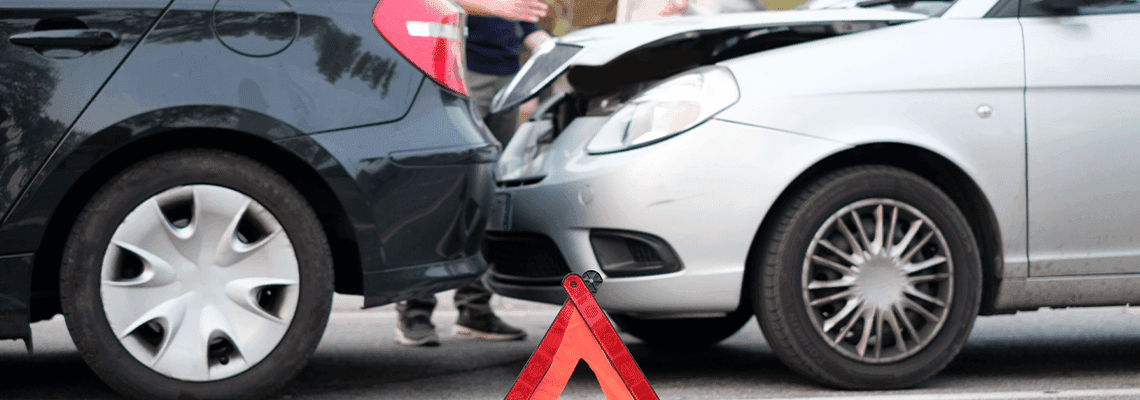
Parking lots might seem like low-risk areas for driving, but the reality is far different. Each year, thousands of parking lot accidents occur, ranging from minor fender-benders to more serious collisions involving injuries. What makes these accidents particularly tricky is determining who is at fault. Many drivers assume that if the accident happens at low speeds, liability is straightforward, but that’s often not the case. In fact, both drivers can share responsibility, creating legal complexities that can affect insurance claims, compensation, and even your rights as a driver.
In this article, we’ll explore how shared liability works in parking lot crashes, explain the concept of 50/50 fault, and outline your legal rights when both drivers are at fault. By understanding these key points, you can better protect yourself and ensure your claims are handled fairly.
Understanding Parking Lot Accidents and Liability
Parking lot accidents can occur in a variety of ways. Common scenarios include backing into another car, side-swiping a vehicle while maneuvering between rows, or colliding with a car entering or exiting a parking space. Despite the low speeds involved, damages can still be costly, and injuries, especially to pedestrians, can be serious.
Liability in parking lot accidents isn’t always clear-cut. Many drivers mistakenly assume that the person backing out is always at fault or that minor collisions don’t require documentation. In reality, both drivers can be partially responsible, depending on the circumstances. This is where the concept of shared liability comes into play. Shared liability, also called comparative negligence, means that fault can be divided between two or more parties based on their actions leading up to the accident. In some cases, responsibility may even be split 50/50.
According to studies, nearly 40% of parking lot collisions involve shared fault, highlighting the importance of understanding your rights and insurance options when both drivers may be partially responsible.
How 50/50 Fault Works in Parking Lot Crashes
When two drivers contribute to an accident, each may be assigned a percentage of fault. This is commonly referred to as a 50/50 fault or shared responsibility. But what does this mean in practical terms?
For example, imagine Driver A is backing out of a parking space too quickly while Driver B is distracted by their phone. Both drivers contribute to the accident, so each could be deemed 50% at fault. In such cases, insurance companies often split payouts according to these percentages. That means if the total damage is $2,000, each driver’s insurance may only cover $1,000 for the other party’s damages.
It’s important to better understand 50/50 fault in parking lot accidents, because assumptions about liability can lead to disputes or reduced compensation. Knowing how shared fault works helps you document your case properly, communicate effectively with your insurance company, and protect your legal rights if injuries or significant property damage occur.
Additionally, it’s crucial to understand how your state handles negligence. Some states follow comparative negligence rules, where each party is responsible for their share of fault. Others use contributory negligence rules, which can bar recovery entirely if you are even slightly at fault. Being aware of these differences can affect your strategy after an accident and the outcome of any claims.
Legal Rights When Both Drivers Are at Fault
Even if you are partially responsible for a parking lot crash, you still have rights. Drivers involved in shared-fault accidents are typically entitled to:
- File an insurance claim: You can claim damages for repairs or medical expenses, even if you’re partially at fault.
- Seek compensation for injuries: If you sustain injuries, you may be able to recover costs for medical treatment and lost wages.
- Consult a personal injury lawyer: Legal guidance is especially important if the accident results in significant property damage or injury disputes.
A common misconception is that being 50% at fault means you cannot recover any damages. That is not true in most states. Your insurance claim may simply be adjusted based on your share of fault. For example, if you are 50% responsible for an accident that caused $5,000 in damages, you may still recover $2,500 from the other party’s insurance.
If disputes arise or injuries are involved, contacting a personal injury lawyer can help protect your rights and ensure you receive fair compensation. For minor property damage, small claims court may also be an option, though professional advice is recommended for navigating shared liability.
Steps to Take After a Parking Lot Accident Involving Shared Fault
Taking the right steps immediately after an accident can make a significant difference, especially in shared-fault situations:
- Stay calm and ensure safety: Move vehicles to a safe area if possible and check for injuries.
- Document the scene: Take photos, videos, and note any skid marks or debris. Obtain witness contact information if available.
- Exchange information: Share your insurance details, names, and vehicle information with the other driver.
- Notify your insurance company: Report the accident promptly, providing an accurate account without admitting fault.
- Consult a lawyer if necessary: If there are injuries, significant damages, or disputes about fault, legal guidance is essential.
Avoid admitting fault on the scene. Even a minor statement could affect the determination of fault percentages and your insurance claim.
Tips to Prevent Parking Lot Accidents
While understanding liability is important, prevention is always better than dealing with legal headaches. Here are a few tips to reduce your risk:
- Always check your surroundings before reversing or pulling out of a space.
- Maintain slow speeds in parking lots to allow reaction time.
- Avoid distractions like mobile phones while maneuvering.
- Use turn signals when exiting spaces to alert nearby drivers.
- Park in well-lit areas to improve visibility, especially at night.
Implementing these habits can minimize the likelihood of collisions and the complications of shared liability.
Conclusion
Parking lot accidents are more common than many drivers realize, and shared fault often complicates claims and insurance payouts. Understanding the concept of a 50/50 fault and your legal rights when both drivers are at fault is essential for protecting yourself after a collision. Document the scene, notify your insurance, and consult legal guidance if necessary to ensure fair treatment.
By being informed about shared liability, taking precautions in parking lots, and knowing how fault is determined, you can navigate these situations confidently and protect your financial and legal interests.
The weekly question
From obsession to clarity — one original question every week.
We answer one noisy topic at a time, in full. No daily roundup, no thread bait — just the question, the principles, and the system.