
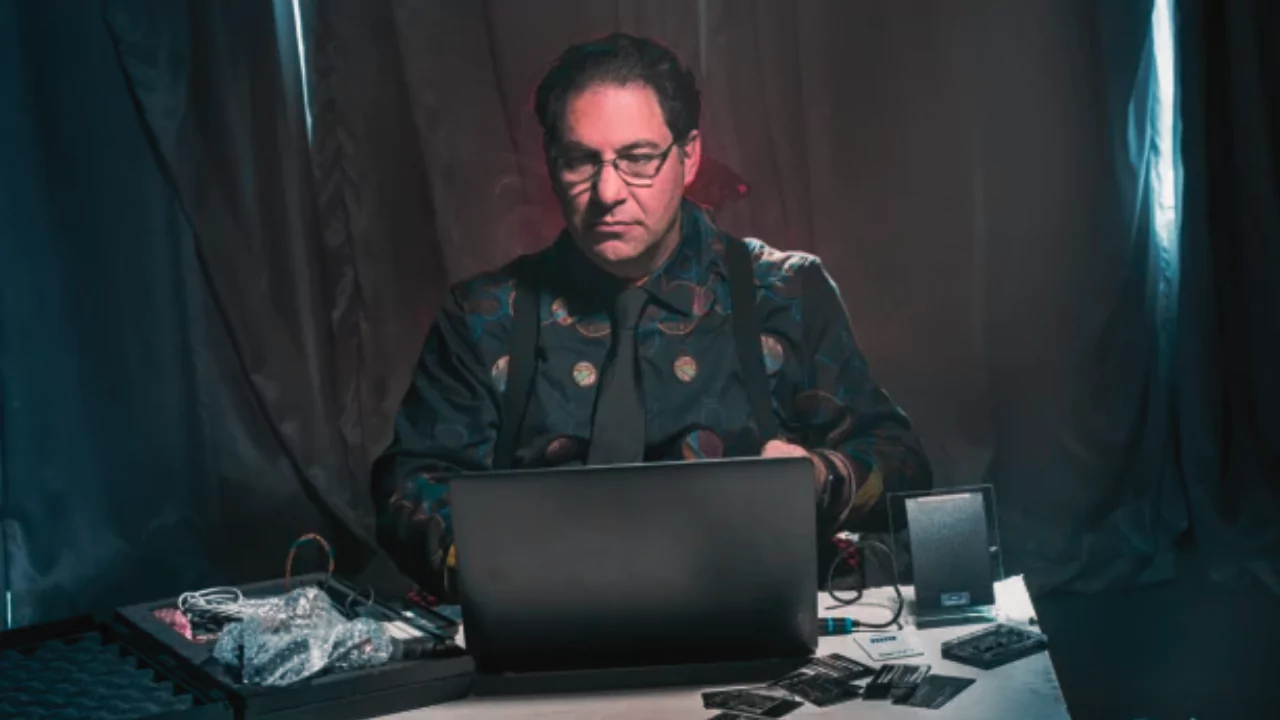
In the 1990s, one hacker shocked the world. His name was Kevin Mitnick, and the FBI called him the most wanted computer criminal in the United States. But what made him truly unique wasn’t just how he broke into systems. It was what he did next.
Kevin went from sneaking into secret networks to helping companies protect them. This is the story of how a rule-breaker became a rule-maker in the world of cybersecurity.
Fast Facts
- Name: Kevin Mitnick
- Known For: Once the world’s most wanted hacker turned cybersecurity expert
- Main Skill: Social engineering, tricking people, not machines
- Legacy: Author, speaker, and Chief Hacking Officer at KnowBe4
- Died: July 16, 2023, leaving a lasting impact on cybersecurity
Who Was Kevin Mitnick?
Kevin Mitnick was born in 1963 in California. From a young age, he showed a deep interest in tricks and systems. At just 12 years old, he figured out how to ride city buses for free. He didn’t hack the system with a computer. Instead, he asked smart questions and learned how the paper transfer system worked.
This simple trick was only the beginning. As Kevin grew older, his tricks became more advanced.
How Did He Hack Without Code?
Most people think hackers sit in front of computers typing lines of code. Kevin was different. He used something called social engineering.
Social engineering means getting information by tricking people, not machines. For example, Kevin would call tech workers and pretend to be someone they trusted. He would ask them to reset a password or share sensitive details. Many times, they didn’t even realize they were being fooled.
Kevin once broke into the systems of companies like Digital Equipment Corporation, Motorola, and even the FBI. He didn’t steal money. He wanted the challenge. He treated hacking like a chess game. Outsmarting the opponent was the reward.
Why Did the World Know His Name?
Kevin became famous when the FBI started chasing him. For two years, he ran from the law. In 1995, agents finally caught him. News reports called him dangerous. One rumor claimed he could launch nuclear missiles just by whistling into a phone. That was not true, but it made him sound like a supervillain.
In 1997, his supporters hacked into Yahoo!’s homepage and demanded his release. They warned of a virus attack if Kevin wasn’t freed. Even though the virus was fake, the message spread quickly. Kevin was no longer just a hacker. He was a legend in the tech world.
His Life After Prison
After spending five years in prison and eight months in solitary, Kevin was released in 2000. He was banned from using computers for a short time. But once that rule was lifted, he made a big decision.
Instead of breaking systems, he chose to protect them.
Kevin started Mitnick Security Consulting and became Chief Hacking Officer at KnowBe4, a major cybersecurity company. He wrote several best-selling books, including:
- The Art of Deception
- The Art of Intrusion
- Ghost in the Wires
- The Art of Invisibility
He also gave talks at top conferences like DEF CON and appeared on TV shows such as 60 Minutes and The Colbert Report.
Can Others Do What He Did?
In some ways, yes. Kevin’s biggest tool was not a computer. It was understanding people. Social engineering is still used today, often in scams and phishing attacks.
Kevin believed in teaching people how to protect themselves. He helped create training programs that teach workers how to avoid being tricked. He also shared tips about online privacy, such as:
- Use encrypted messaging apps like Signal
- Create strong passwords and use password managers
- Never trust unexpected emails or calls asking for private info
Why Is His Story Still Popular Today?
Kevin passed away in July 2023 due to cancer. After his death, thousands of people posted tributes online. Accounts like @KnowBe4 and @CybercrimeMag shared stories about his life. Reddit forums, Hacker News, and cybersecurity blogs lit up with posts remembering him.
His story matters more than ever because cyber threats keep growing. Many hackers today still use the same tricks Kevin did, but for profit or harm. By studying his past, people can learn how to stay safe.
Was He a Criminal or a Hero?
This is a tough question. Some people think Kevin got too much praise. They say he didn’t write new software and used tools made by others. Others believe the government treated him unfairly and made him look worse than he was.
In truth, Kevin admitted he made mistakes. He once said in his book:
“I was a little bit insane. I loved putting myself in dangerous situations and then trying to work my way out of them.”
But he also said this in a later interview:
“I regret my past misdeeds, but now I get my endorphin rush by hacking with approval.”
His Lasting Legacy
Kevin Mitnick may be gone, but his ideas live on. His books are used in classrooms and training sessions. His company still tests security systems for Fortune 500 companies. His online lessons help millions of people understand cybersecurity.
He proved that even someone who once broke the rules could become a leader in protecting others.
Final Thoughts
Kevin Mitnick’s life reads like a movie. He tricked experts, ran from the FBI, and then became one of the world’s top defenders against cybercrime.
He didn’t do it for money. He did it for the game. But in the end, he helped rewrite the rules to make the game safer for everyone.
If you ever get an email that seems suspicious or a call asking for your password, remember Kevin’s biggest lesson: It’s not the machines that are easiest to hack. It’s the people.