
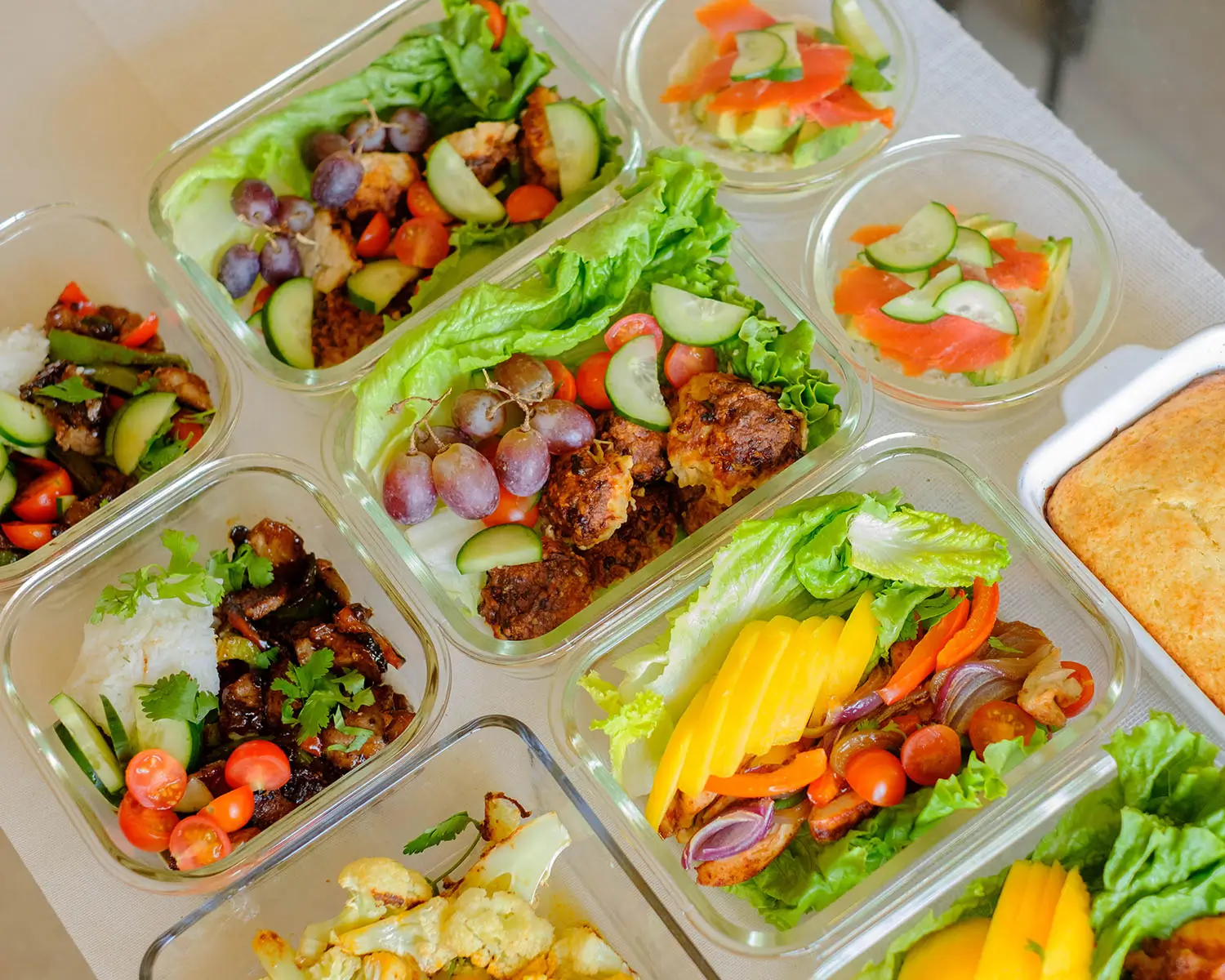
I used to think losing weight meant constantly tracking calories and eating boring meals. What actually changed things for me was building a consistent routine around meal prep for weight loss. Once I started preparing my meals ahead of time, I stopped making last-minute food decisions that usually led to overeating or takeout.
If you’re trying to lose weight in a realistic, sustainable way, this approach works because it simplifies everything. You already know what you’re eating, your portions stay controlled, and your meals are balanced without stress.
What Is Meal Prep for Weight Loss and Why Does It Work?
Meal prep is simply planning and preparing your meals in advance so you can stay consistent. Instead of guessing what to eat when you’re hungry, you already have meals ready that support your goals.
From my experience, the biggest benefit is control. When I prep meals, I naturally avoid high-calorie fast food and oversized portions. It also helps me maintain a balance of protein, fiber, and healthy fats, which is essential for fat loss.
This is why most successful weight-loss strategies in the US emphasize planning ahead. Consistency always beats perfection.
How I Build Balanced Meals That Support Fat Loss
I don’t overcomplicate things. Every meal I prepare follows a simple structure that keeps me full and energized.
I start with lean protein like chicken, turkey, shrimp, eggs, or fish. Then I add fiber-rich carbs such as brown rice, quinoa, oats, or sweet potatoes. Finally, I include vegetables like spinach, broccoli, or peppers and a small amount of healthy fats.
Meals like shrimp and asparagus stir-fry, egg white frittatas with spinach and mushrooms, and tuna salad lettuce wraps made with Greek yogurt instead of mayo are some of my go-to options. These meals are high in protein but still low in calories, which makes a big difference over time.
Best Foods to Include in Your Weekly Meal Prep
The foods that work best are simple, repeatable, and easy to store.
Lean proteins such as chicken breast, ground turkey, and fish keep meals filling. For plant-based options, I rely on lentils, tofu, chickpeas, and tempeh. Carbs like quinoa, brown rice, and oats provide steady energy, while vegetables increase volume without adding too many calories.
I also make sure to include meals like crispy tofu bowls, red lentil dal, and chickpea “tuna” salad to keep things balanced and sustainable. These options prove that you don’t need to rely only on meat to stay on track.
For more structured meal ideas, I often explore resources like theleancleaneatingmachine guide, which aligns well with this approach.
My 5-Day Meal Prep Routine That Keeps Me Consistent
When I prep for the week, I keep things realistic instead of trying to cook something new every day.
Breakfast is usually something quick and high-protein like egg-based meals, Greek yogurt bowls, or overnight oats. Lunch is typically a protein bowl with chicken, rice, and vegetables. Dinner stays flexible but balanced, like salmon with roasted vegetables or a turkey stir-fry.
Snacks are simple and controlled. I rely on options like boiled eggs, protein shakes, or fresh vegetables.
This routine helps me stay consistent without feeling restricted, which is the key to long-term results.
High-Protein Low-Calorie Meals That Actually Work
One of the biggest changes I made was increasing my protein intake. It helped reduce cravings, control emotional eating, and kept me full longer throughout the day.
Meals like grilled chicken with vegetables, egg white omelets, tuna salad with Greek yogurt, and turkey lettuce wraps are easy to prepare and support fat loss effectively.
Plant-based meals like tempeh stir-fry or lentil bowls also work well when I want variety without sacrificing nutrition.
This is where meal prep for weight loss becomes powerful. You’re not just eating less—you’re eating smarter.
How Meal Prep Saves Time and Prevents Overeating
Before I started prepping, I spent too much time deciding what to eat. That usually led to poor choices, especially during busy days.
Now, I spend a few hours preparing meals once or twice a week. The rest of the week becomes easier because everything is already planned.
Having meals ready also helps control portions. When food is pre-portioned, I’m less likely to overeat.
This simple habit removes decision fatigue and keeps me focused on my goals.
Common Mistakes That Can Slow Your Progress
I’ve made mistakes that made things harder than they needed to be.
At first, I prepared meals that were too bland, which made it difficult to stay consistent with a healthy diet. I also underestimated portion sizes, even with healthy foods.
Another mistake was trying to prep too many recipes at once. Keeping things simple works better.
Once I fixed these issues, my routine became easier to follow and much more effective.
How Long Meal Prep Meals Stay Fresh
Most of the meals I prepare last about three to four days in the fridge. For anything beyond that, I freeze portions to keep them fresh.
Using airtight containers makes a big difference in maintaining quality and safety.
If you’re prepping for the entire week, splitting your prep into two sessions is a practical approach.
FAQs About Meal Prep for Weight Loss
- How many meals should I prep each week?
I usually prepare enough meals for 4–5 days. This keeps food fresh and manageable.
- Can I lose weight without counting calories?
Yes. I focus on portion control and high-protein meals, which naturally reduce calorie intake.
- What are the best foods for beginners?
Chicken, eggs, rice, vegetables, and simple plant-based options like lentils are easy to start with.
- Is meal prep expensive in the US?
Not really. Buying ingredients in bulk and cooking at home is often cheaper than eating out regularly.
What Actually Made This Work for Me
The biggest shift for me wasn’t a specific diet—it was consistency. Once I committed to a routine built around meal prep for weight loss, everything became more predictable.
I stopped relying on motivation and started relying on preparation. That’s what made the difference.If you keep your meals simple, focus on protein, and plan ahead, you’ll find that weight loss becomes much easier to manage.
I also realized that staying consistent wasn’t just about food—it was about mindset and daily habits. Learning from mindful mystic mama helped me focus on building a healthier relationship with eating instead of chasing quick results.
That shift made my meal prep for weight loss routine feel easier and more sustainable. It allowed me to stay consistent without feeling overwhelmed or restricted.