
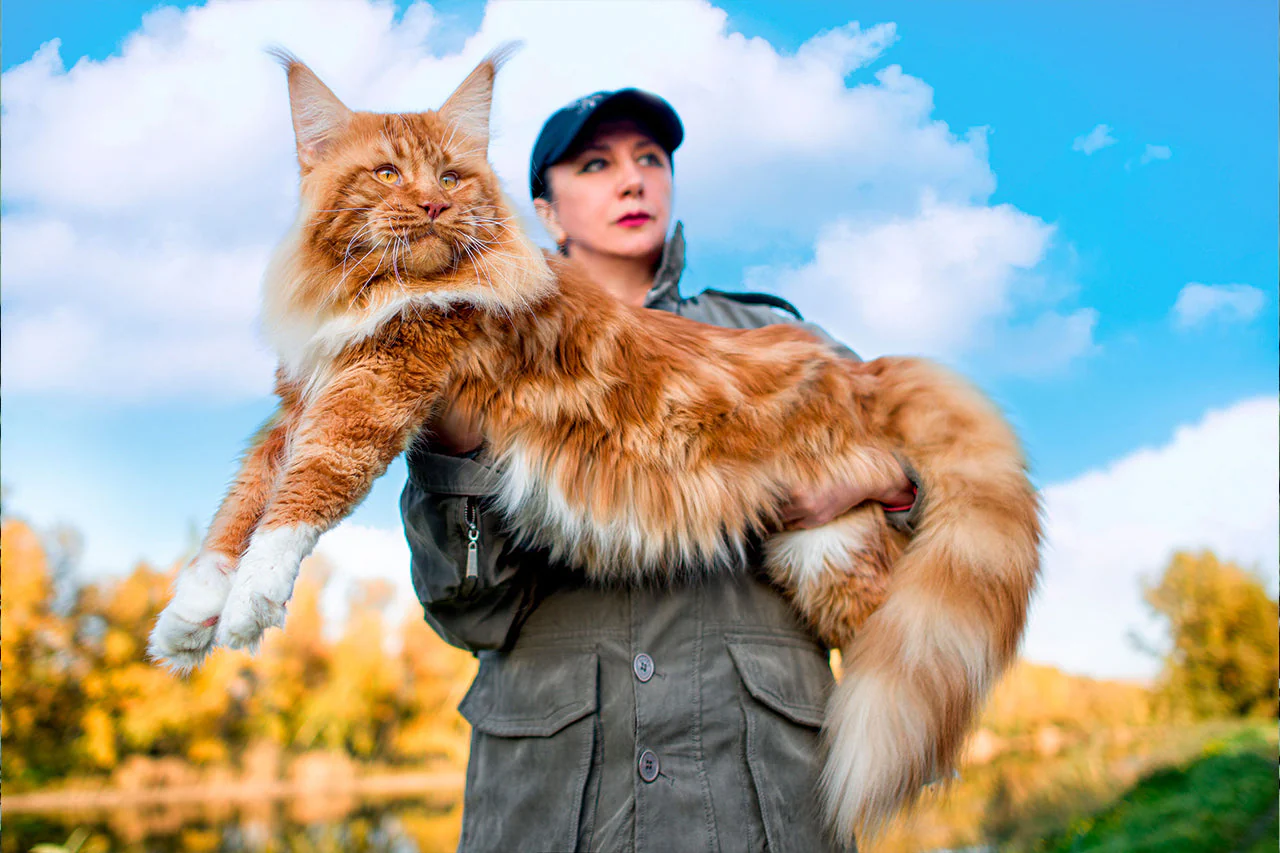
The growing demand for Maine Coon cats reflects a broader shift in consumer behavior — people are no longer just purchasing pets; they are making long-term lifestyle commitments. However, responsible pet acquisition is also a sustainability issue.
Choosing a Maine Coon should not be driven by aesthetics or trend cycles. Ethical breeding, responsible sourcing, and long-term care planning all play a role in reducing the environmental and welfare impact of companion animal ownership.
This guide explores how prospective owners can approach the purchase of Maine Coon cats for sale through a sustainability lens — considering everything from breeder transparency and ethical practices to responsible ownership and lifelong care planning.
Ethical Breeding and Sustainable Animal Welfare
Sustainability in pet ownership begins at the breeding stage. Ethical breeders prioritize genetic health, controlled breeding practices, and animal welfare over high-volume production.
Maine Coons are a large, slow-maturing breed that can continue developing until three to four years of age. Because of their size and specific health risks, responsible breeding requires:
- Controlled mating frequency
- Genetic screening for hereditary conditions such as hypertrophic cardiomyopathy (HCM) and spinal muscular atrophy (SMA)
- Veterinary-supervised early development
- Proper socialization environments
Overbreeding or poorly managed facilities not only compromise animal welfare but also contribute to long-term medical burdens and resource-intensive veterinary interventions.
Choosing breeders who provide transparent health documentation reduces the likelihood of preventable genetic disease — lowering future medical costs, emotional strain, and environmental impact from intensive treatment.
The True Cost of a Maine Coon: Investing in Long-Term Value
Price transparency is a sustainability indicator. Ethical breeders typically provide itemized explanations of what is included in the purchase price, such as:
- Pedigree registration
- Genetic screening documentation
- Vaccinations and microchipping
- Early veterinary care
- Socialization programs
While lower upfront pricing may appear attractive, it can reflect reduced health testing or inadequate care standards. Preventable illnesses often lead to higher lifetime veterinary costs and increased use of medical resources.
A sustainability-oriented purchase focuses on lifetime impact rather than initial savings.
Sustainable Living with a Large-Breed Cat
Maine Coons are among the largest domestic cat breeds, with adult males often weighing 6–9 kg and females 4–6.5 kg. Their muscular build and long body frame require durable furnishings and adequate living space.
Sustainable preparation includes:
- Investing in high-quality, long-lasting cat trees designed for large breeds
- Choosing durable scratching surfaces instead of disposable products
- Selecting nutritionally balanced diets to reduce food waste and overfeeding
- Monitoring growth to prevent obesity-related joint stress
Because Maine Coons can live 12–15 years or longer, purchasing long-lasting equipment reduces material waste over time.
Responsible Nutrition and Environmental Impact
Feeding practices have both health and environmental implications. Large breeds require protein-rich diets during growth phases, but overfeeding contributes to obesity and unnecessary food consumption.
Sustainable nutrition strategies include:
- Portion control based on veterinary guidance
- Choosing reputable brands with transparent sourcing
- Avoiding excessive treat consumption
- Preventing food waste through proper storage
Healthy weight management reduces strain on joints, lowers veterinary intervention rates, and extends lifespan — aligning animal welfare with resource efficiency.
Evaluating Breeders Through a Sustainability Lens
Before committing to a Maine Coon, responsible buyers should assess breeders using structured verification:
- Confirm registration with a recognized cat registry.
- Request documented genetic screening results.
- Review vaccination and veterinary records.
- Ask about breeding frequency and litter limits.
- Request transparency regarding living conditions.
Ethical breeders maintain clear contracts, defined health guarantees, and traceable medical documentation. Transparency is a core sustainability principle.
Avoid operations that prioritize rapid turnover, lack medical documentation, or resist facility access. High-volume breeding increases health risks and welfare concerns.
Socialization and Long-Term Behavioral Stability
Early socialization reduces the likelihood of behavioral issues that may later result in abandonment or rehoming — both of which carry emotional and resource costs.
Responsible breeders introduce kittens to:
- Normal household environments
- Human interaction and handling
- Structured play and enrichment
- Gradual exposure to other animals
Well-socialized cats adapt more easily, reducing stress-related health problems and supporting long-term placement stability.
Sustainable pet ownership includes reducing the risk of surrender through proper early development and informed owner preparation.
Documentation, Traceability, and Accountability
Professional breeders provide:
- Pedigree certificates
- Genetic screening documentation
- Vaccination records
- Microchip registration
- Written health guarantees
Traceability protects both buyer and animal. It ensures accountability in breeding practices and supports consistent veterinary care throughout the cat’s life.
Documentation reduces uncertainty, prevents unethical sourcing, and strengthens responsible breeding ecosystems.
A Long-Term Commitment, Not a Trend
Sustainability in companion animal ownership means planning for the entire lifespan of the pet. Maine Coons are not short-term purchases — they are decade-long responsibilities.
Before making a decision, prospective owners should:
- Evaluate breeder transparency
- Confirm comprehensive health screening
- Assess long-term financial readiness
- Prepare appropriate housing and enrichment
- Commit to preventive veterinary care
Ethical acquisition combined with responsible lifetime care reduces welfare risks, limits environmental strain from preventable health issues, and promotes more sustainable pet ownership practices.
Choosing a Maine Coon responsibly is not only a personal decision — it is a contribution to a more ethical and sustainable companion animal industry.