Litter Jewelry After Shark Tank: Did the Daymond and Cuban Deal Last?
Litter Jewelry accepted an $80,000 offer from Daymond John and Mark Cuban, with post-show reporting supporting their partnership. Here is the verified update.

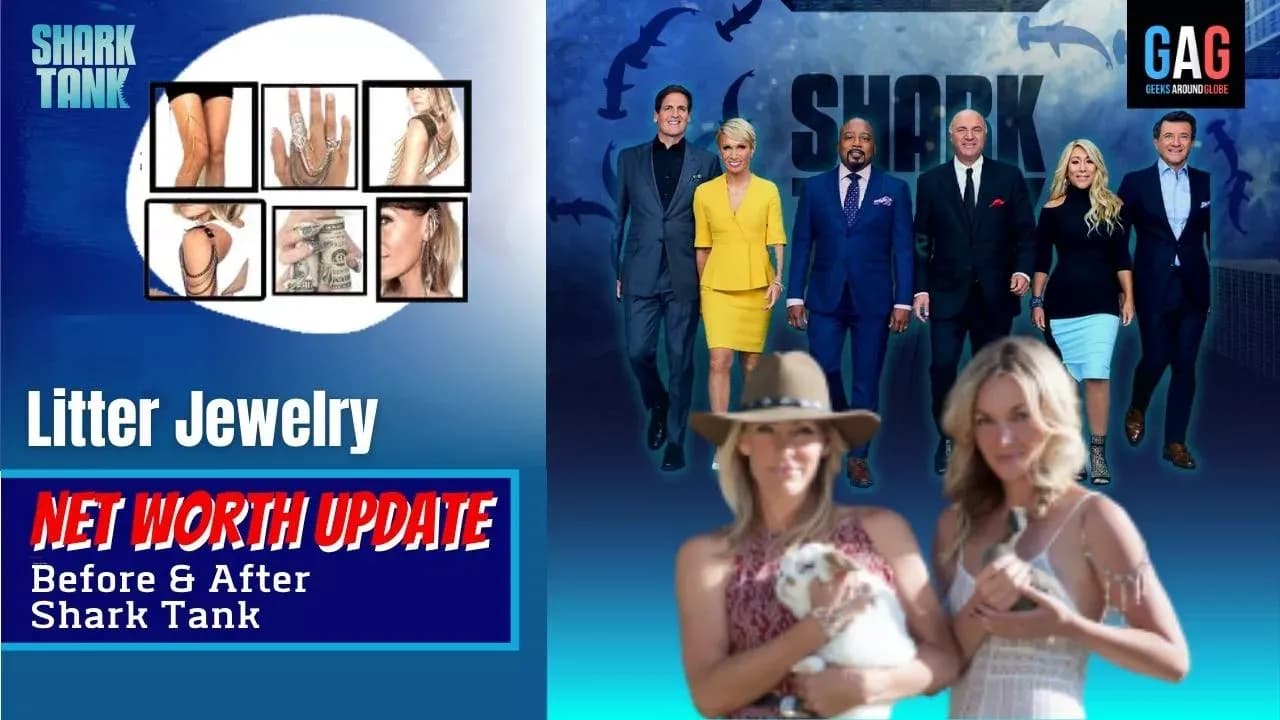
Sisters Rachael Mann and Mackenzie Burdick turned repurposed materials into body chains and statement jewelry through Litter. On Shark Tank, they accepted an $80,000 offer from Daymond John and Mark Cuban, and contemporary reporting supports a real post-show partnership.
Quick answer: Litter Jewelry accepted $80,000 for 70% from Daymond and Mark. Later reporting quoted the founders and Daymond about their work together, supporting a completed investment relationship. Current sales through the original brand could not be verified.
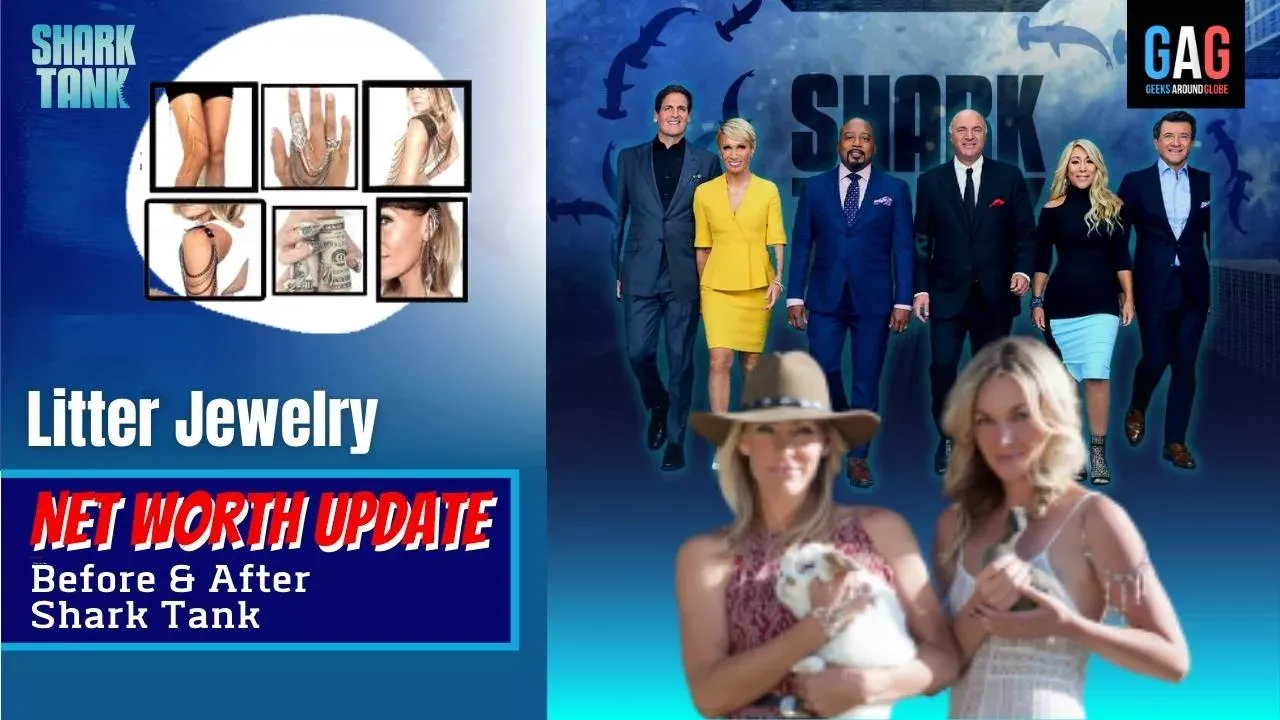
Rachael Mann, Mackenzie Burdick and Litter Jewelry designs. Photo: ABC/GAG
Litter Jewelry at a glance
| Detail | Verified information |
|---|---|
| Founders | Rachael Mann and Mackenzie Burdick |
| Product | Body-chain and statement jewelry using repurposed materials |
| Shark Tank season | Season 3 |
| Ask | $80,000 for 51% equity |
| Accepted offer | $80,000 for 70% |
| Sharks | Daymond John and Mark Cuban |
| Post-show evidence | Contemporary reporting supports partnership |
| Current status | No verified active original-brand store |
The accepted terms implied a valuation of about $114,286. That is a historical transaction figure, not a current valuation or the founders' personal net worth.
Read the complete lineup in our Shark Tank Season 3 products, deals and updates guide.
What was Litter Jewelry?
Litter created bold jewelry from repurposed or found materials. The sisters' designs included body chains, headpieces, shoulder jewelry and other accessories that treated jewelry as part of an entire outfit.
The brand's styling was distinctive and fashion-forward. Rather than competing only in conventional necklaces and earrings, Litter emphasized pieces that could attract editorial, music and performance use.
The repurposed-material story also gave the company a recognizable identity, though the business still depended on consistent sourcing, production and pricing.
What happened during the Shark Tank pitch?
Mann and Burdick asked for $80,000 in exchange for 51% equity, offering majority control from the start.
Daymond John and Mark Cuban jointly offered $80,000 for 70%. The founders accepted. Salary and potential buyback provisions were also discussed during the negotiation.
| Pitch figure | On-air result |
|---|---|
| Amount requested | $80,000 |
| Equity initially offered | 51% |
| Accepted offer | $80,000 for 70% |
| Sharks | Daymond John and Mark Cuban |
| Implied valuation | About $114,286 |
The episode also featured The Original Profender, Rent-A-Grandma and Nardo's Natural.
Giving up 70% made Daymond and Mark the majority owners under the television terms, but the arrangement also contemplated continued roles for the founders.
Did the Litter Jewelry deal close?
Contemporary evidence supports a post-show partnership.
An Entrepreneur report on early Shark Tank success stories included direct statements from the company and Daymond about their work after the show.
That source is stronger than relying only on the televised handshake. It indicates that the founders worked with both investors and received support beyond the episode.
The exact final closing date, later ownership changes and all contractual provisions are not public in the evidence reviewed. The responsible conclusion is that the investment relationship continued, without assuming that every term remained unchanged forever.
What happened after Shark Tank?
Litter gained broader attention after the broadcast and worked with its Shark partners on growth. Contemporary coverage included ambitious sales expectations.
Daymond discussed the possibility of $3 million in sales for 2013. That was a forecast, not verified achieved revenue and certainly not a current annual figure.
The distinction matters because older articles sometimes repeat the projection as though the company had already earned that amount. A forecast expresses an investor's expectation; it is not a financial statement.
Later public activity under the original brand became difficult to verify. No active official store or recent original-brand catalogue was found during this review.
Is Litter Jewelry still in business?
Current original-brand sales could not be verified. Secondary reviews point to inactive official channels, but no direct founder closure announcement or primary record supplies an exact closing date.
Current assessment: Litter Jewelry appears inactive, while the date and cause of any closure remain unconfirmed.
Marketplace searches for “litter jewelry” are not reliable evidence of original-brand activity. The phrase can return unrelated products, secondhand items or jewelry themed around pet litter. A listing should be tied directly to the founders' company before being recommended as an official purchase source.
Litter Jewelry valuation and net worth
The accepted $80,000-for-70% offer implied a value of approximately $114,286.
That historical deal valuation does not establish:
- the company's current worth;
- actual 2013 sales;
- lifetime profit;
- present investor ownership;
- or the personal net worth of Rachael Mann or Mackenzie Burdick.
The $3 million figure reported in contemporary coverage was a future sales forecast. It should not be treated as realized revenue or company value.
No current financial statement, acquisition or priced funding round provides a reliable later valuation.
What founders can learn from Litter Jewelry
Litter shows how a strong visual identity can make a fashion pitch memorable. The pieces were immediately recognizable, which helped the founders explain their brand quickly.
The deal also demonstrates the consequences of majority investment. Founders who offer control must understand decision rights, salaries, future buybacks and what happens if the relationship changes.
Forecasts require careful language. Investors may describe a large opportunity, but projected sales only become results after customers buy and revenue is recorded.
Finally, brand-specific shopping guidance matters. A generic marketplace search is not a substitute for an official store.
Frequently asked questions
Who founded Litter Jewelry?
Sisters Rachael Mann and Mackenzie Burdick founded and pitched Litter.
What did Litter Jewelry make?
The brand created body chains, headpieces and statement jewelry, often using repurposed materials.
How much did the founders ask for?
They asked for $80,000 for 51% equity.
What deal did Daymond John and Mark Cuban make?
They jointly offered $80,000 for 70%, and the founders accepted.
Did the Litter Jewelry deal close?
Contemporary Entrepreneur reporting included direct company and investor statements supporting a continuing post-show partnership.
Did Litter Jewelry make $3 million?
The $3 million figure was a sales forecast attributed to Daymond, not verified achieved revenue.
Is Litter Jewelry still in business?
No active original-brand store or current catalogue could be verified. No primary closure announcement established an exact date.
What is Litter Jewelry worth today?
No reliable public evidence supports a current valuation, sales figure or founders' net-worth estimate.
The weekly question
From obsession to clarity — one original question every week.
We answer one noisy topic at a time, in full. No daily roundup, no thread bait — just the question, the principles, and the system.