
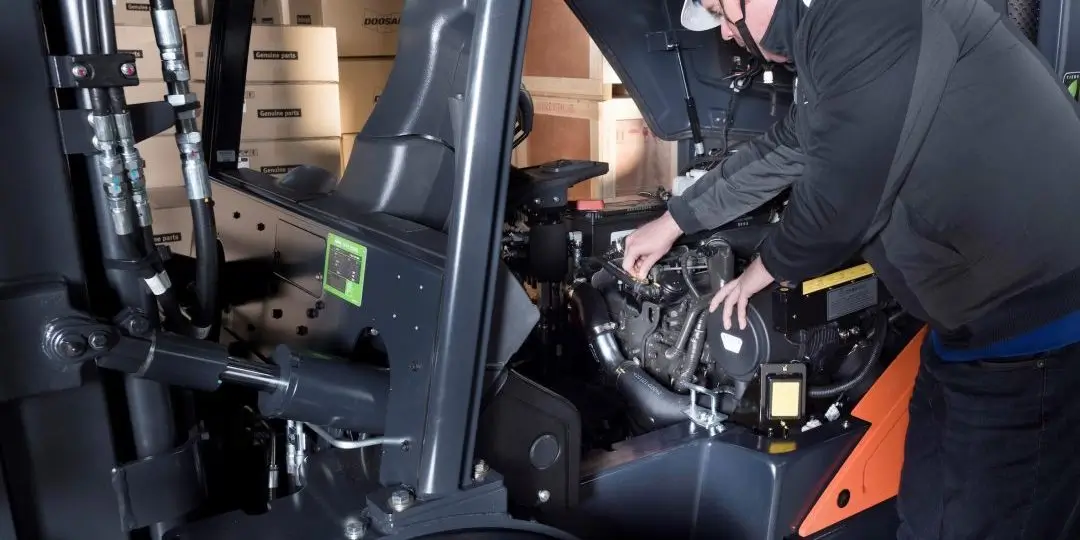
Maintaining lift trucks in optimal condition is essential for any business relying on these vehicles for daily operations. Not only do they enhance productivity, but they also ensure the safety of operators and the surrounding workforce. Regular checks can prevent costly repairs and unexpected downtime, and the maintenance routine can be simplified into key inspections. Here, we’ll explore vital checks your lift trucks should undergo to remain in peak condition.
Regular Safety Inspections
Lift trucks face a rigorous workload every day, which can lead to wear and tear. Regular safety inspections are not just a legal obligation; they are an essential practice to ensure that the machinery is safe for operators. During these inspections, several aspects should be assessed:
Operator Controls
The lift truck’s controls should be regularly checked to ensure they are responsive and functioning correctly. This includes:
• Steering Mechanism: Ensure there is no excessive play and that the truck turns smoothly.
• Braking System: Test the brakes to confirm they engage and release appropriately.
• Warning Lights and Alarms: Ensure all warning systems are operative, allowing operators to react promptly in case of any issues.
Regular checks like these can prevent accidents and lost productivity, leading to enhanced operational efficiency.
Fluid Levels and Leaks
Checking fluid levels is a straightforward task but pivotal for the smooth operation of lift trucks. Essential fluids include:
• Hydraulic Fluid: Critical for raising and lowering loads, insufficient levels can lead to malfunctioning lifts.
• Engine Oil: Regular oil checks can prevent engine damage and improve performance.
• Coolant: An engine running too hot can compromise performance and lead to significant repairs.
Ensure that any leaks are quickly addressed. Not only do they indicate potential mechanical issues, but they also pose safety risks to operators and nearby personnel.
Tire Condition
Neglecting tire condition can lead to accidents and efficiency loss. Inspect the following:
Tread and Pressure
Tires should be inspected for appropriate tread depth and pressure levels. Properly inflated tires improve load stability and fuel efficiency. During inspections, consider checking for:
• Uneven Wear: This can indicate alignment issues.
• Visible Damage: Cuts, punctures, or bulges can compromise tire integrity and safety.
Battery Maintenance
For electric lift trucks, battery health is paramount. Regular checks should include:
• Fluid Levels: Ensure that the electrolyte levels are appropriate if you have lead-acid batteries.
• Terminals: Clean and inspect terminals for corrosion or loose connections, which could lead to power loss or failures.
• Charging Cycle: Always follow the manufacturer’s guidelines on charging to prolong battery life.
An effective battery maintenance routine can significantly impact productivity and operational costs.
Structural Integrity
The structural integrity of lift trucks can affect overall performance and safety. Regularly inspect the following components:
Mast and Forks
• Mast Condition: Check for cracks, bends, or significant signs of wear. A compromised mast can lead to failures during operation.
• Fork Assessment: Ensure forks are free from cracks or deformations. Damage here can lead to unsafe lifting conditions.
It is essential to make these checks a routine part of your equipment maintenance. For more intricate assessments and comprehensive checks, partnering with professionals for expert lift truck servicing for businesses can help ensure that every aspect of your forklifts is taken care of.
Documentation and Records
Keeping accurate maintenance records is often overlooked but is crucial for effective fleet management. Documenting each inspection, service, and repair can aid in:
• Tracking Performance: Analyzing the frequency and type of issues can lead to better maintenance planning.
• Compliance: In the event of inspections or audits, having thorough records ensures compliance with health and safety regulations.
• Budgeting: Understanding when equipment requires servicing or replacement can aid in financial planning.
Establish a simple system to track necessary documentation, and ensure that all relevant personnel know how to access these records.
Employee Training
While regular inspections and maintenance are critical, maintaining the integrity of lift trucks also depends on the skill of the operators. Investing in quality training for your employees can lead to:
• Operational Safety: Well-trained operators are less likely to make mistakes that could lead to accidents or breakdowns.
• Reduced Wear and Tear: Understanding how to operate lift trucks effectively can contribute to their longevity, reducing unnecessary strain on the machinery.
Consider periodic refresher courses to keep skills sharp and introduce new protocols as they arise.
Conclusion
Maintaining lift trucks in peak condition is not merely a checklist; it’s a culture of safety, efficiency, and responsibility. Regular checks can lead to longevity and reliability, which directly impact your business’s bottom line. By prioritising essential inspections, understanding the equipment’s needs, and investing in your team’s knowledge, businesses can create a robust framework for operational excellence. In this ongoing effort, partnering with experts for servicing can further enhance the longevity of your fleet, ensuring you stay ahead of potential challenges. Remember, a well-maintained lift truck is key to achieving your operational goals safely and efficiently.