I Want to Draw a Cat for You After Shark Tank: Still Drawing
Steve Gadlin turned custom cartoon cats into a Mark Cuban investment. The official site still displays new drawings and accepts bookings.

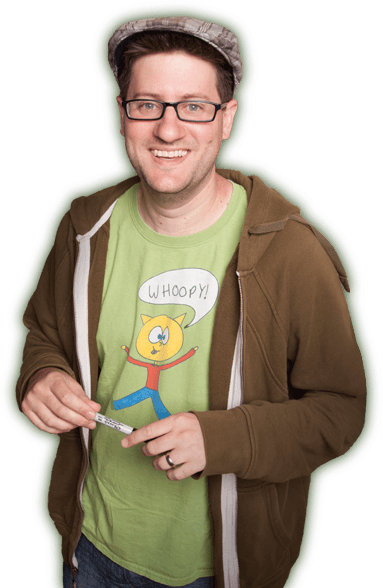
Steve Gadlin walked into Shark Tank with a marker, a song and a business that sounded like a joke: customers paid him to draw deliberately simple cartoon cats. The pitch worked because the product was easy to understand and Gadlin knew how to make people remember it.
Mark Cuban offered more money than Gadlin requested and became the company’s investor. A later interview with both men confirms that the investment continued after filming. The official website is also active today, displaying a large gallery and linking customers to book a drawing. What cannot be verified is the old article’s claim that the business is worth $1 million or earns $250,000 a year.
Quick answer
I Want to Draw a Cat for You secured a Shark Tank deal with Mark Cuban. Steve Gadlin asked for $10,000 for 25% of the company, and Cuban offered $25,000 for 33%. Gadlin accepted. In a June 2012 interview, Cuban confirmed his investment and said he was pleased with it. The official website currently offers a way to book a custom drawing and displays recent work. Current status: The cat-drawing service is active, but its present revenue, valuation and Cuban’s current ownership percentage are not publicly verified.

Steve Gadlin, founder and artist behind I Want to Draw a Cat for You. Photo: I Want to Draw a Cat for You
I Want to Draw a Cat for You at a glance
| Detail | Verified information |
|---|---|
| Founder | Steve Gadlin |
| Product | Personalized cartoon cat drawings |
| Shark Tank appearance | Season 3, Episode 2 |
| Original ask | $10,000 for 25% |
| Final offer | $25,000 for 33% |
| Investor | Mark Cuban |
| Post-show investment | Corroborated by a 2012 interview |
| Current status | Official site links to booking and displays recent drawings |
The final offer implied a value of roughly $75,758 immediately after the investment, using the common post-money calculation of investment divided by equity. It does not establish what the business is worth today.
How a simple cat drawing became a business
Gadlin launched the idea as a small online experiment. Customers described the cat they wanted, and he created a hand-drawn cartoon in his recognizable style. The appeal was personalization and humor rather than detailed portrait art.
In a 2012 VentureBeat interview, Gadlin described the early website as a video and a payment button. A Groupon promotion then helped him test demand and forced him to build a better system for handling orders.
That history explains why the business was more than a television gag. The drawing itself was intentionally simple, but Gadlin had already experimented with online marketing, pricing and fulfillment. His personality made the service easy to share.
The Shark Tank pitch
Gadlin asked the Sharks for $10,000 in exchange for 25% equity. He performed a jingle and dance while explaining the personalized drawing service. Mark Cuban saw value in the founder’s creativity and offered $25,000 for 33%.
| Pitch point | Outcome |
|---|---|
| Amount requested | $10,000 |
| Equity offered | 25% |
| Cuban’s offer | $25,000 for 33% |
| Final deal | Gadlin accepted Cuban’s offer |
| Investor | Mark Cuban |
The episode was Season 3, Episode 2, broadcast on January 27, 2012. The former article incorrectly identified it as Episode 4.
Gadlin appeared with Rick Smith Jr.’s Vegas magic proposal, Salespreneur and Invis-A-Rack.
Did Mark Cuban’s deal close?
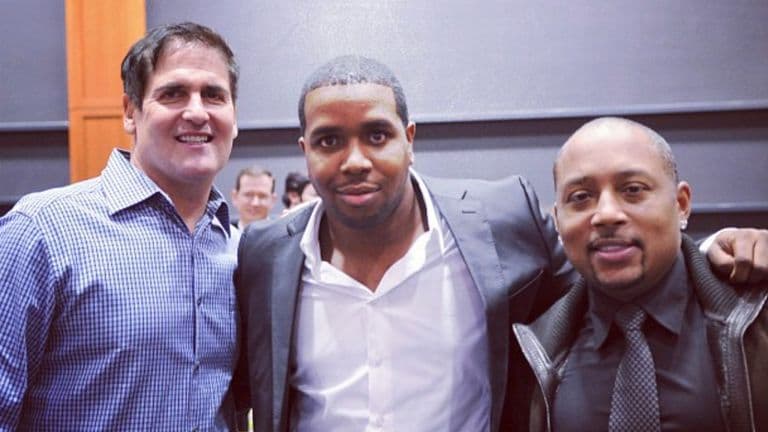
Yes, the strongest available evidence supports an investment beyond the televised handshake. VentureBeat interviewed Gadlin and Cuban in June 2012. The report identified Cuban as an investor, discussed the $25,000 investment and quoted Cuban describing his satisfaction with the early result.
The interview also reported more than 7,000 drawings sold by that point and a four-to-six-week backlog. Those figures are useful historical evidence, but they belong to June 2012. They should not be turned into current annual revenue.
Cuban described the investment as a bet on Gadlin’s abilities as well as the cat drawings. That fits the business: its main competitive advantage was not a patent or complex manufacturing process. It was the founder’s combination of humor, technical skill, marketing and performance.
What happened after Shark Tank?
The show gave the business national attention, and Gadlin continued producing custom drawings. The current official I Want to Draw a Cat for You website contains a gallery with drawings numbered above 22,500 and a link for customers to arrange a purchase.
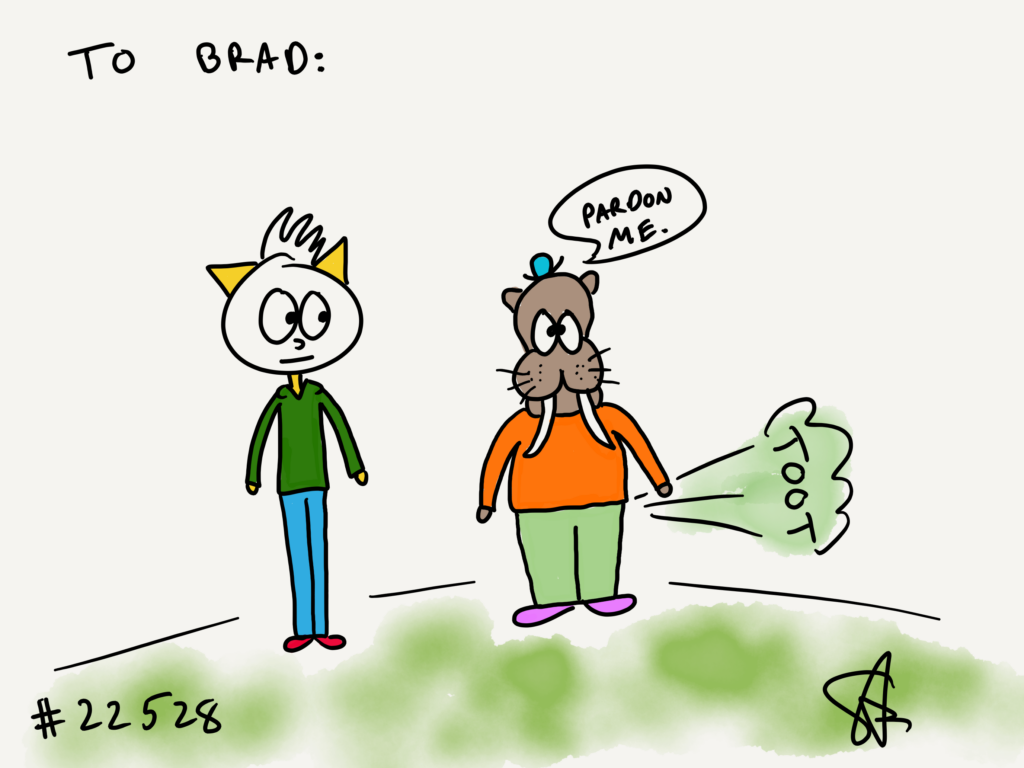
Cat drawing #22528 from the official I Want to Draw a Cat for You gallery. Art: Steve Gadlin
The sequence of drawing numbers suggests that Gadlin has produced a substantial body of work. It should not be treated as a precise verified sales count, because a gallery number does not reveal cancellations, free drawings, replacements or the amount paid.
| Date | Development |
|---|---|
| Early 2011 | Gadlin launches the simple online drawing experiment |
| January 2012 | He accepts Mark Cuban’s $25,000 offer for 33% |
| June 2012 | VentureBeat reports more than 7,000 drawings sold and confirms Cuban’s involvement |
| January 2022 | Gadlin begins a one-cat-per-day project |
| November 2026 | Official site displays recent drawings and a booking link |
The site also preserves Gadlin’s 2022 project to create one cat each day. This shows continued creative activity under the brand, although it does not establish uninterrupted sales in every year since the show.
Is the business still active?
The best current evidence points to an active service. The official homepage introduces Gadlin, shows recent cat drawings and links to a booking calendar. The gallery is being presented as current work rather than an archived storefront.
There are practical limits to what that proves. We did not place an order, verify fulfillment or review private company accounts. The evidence supports saying customers are currently invited to book drawings, not claiming a particular delivery time, sales total or profit.
The old article also described acquisitions, crowdfunding campaigns and a $1 million value without reliable supporting evidence. Those claims have been removed. Gadlin’s personal wealth is private and should not be inferred from the business’s television exposure.
Why the idea worked
I Want to Draw a Cat for You shows how a tiny product can become memorable when the founder turns the buying experience into entertainment.
| Business advantage | Constraint |
|---|---|
| Easy to explain and share | The founder’s time limits production |
| Every order is personalized | Quality and style depend on one artist |
| Low material requirements | Labor increases with each sale |
| Founder performance attracts attention | The brand is closely tied to Gadlin personally |
The service’s simplicity helped it travel through video, daily-deal sites and television. Customers were buying a story and a personal artifact as much as a drawing. That gave Gadlin a clear position that copycat services would struggle to reproduce exactly.
The same founder dependence limits scale. Gadlin told VentureBeat that it mattered for him to draw the cats himself. Adding more artists could increase capacity, but it could also weaken the personal promise at the center of the brand.
For the full episode-by-episode record, see our Shark Tank Season 3 products and company guide.
Frequently asked questions
Did I Want to Draw a Cat for You get a Shark Tank deal?
Yes. Steve Gadlin accepted Mark Cuban’s offer of $25,000 for 33% equity.
Did Mark Cuban actually invest?
A June 2012 VentureBeat interview with both Gadlin and Cuban corroborates the investment after filming.
Can customers still order a cat drawing?
The official website currently links visitors to book a cat drawing and displays a gallery of recent work. Availability may depend on Gadlin’s schedule.
How many cats has Steve Gadlin drawn?
The current gallery includes drawings numbered above 22,500. That shows the scale of the archive but is not necessarily an audited sales count.
What is the company worth now?
No verified current valuation is public. The $1 million claim in the former article was unsupported and has been removed.
What episode featured the company?
I Want to Draw a Cat for You appeared in Shark Tank Season 3, Episode 2, broadcast January 27, 2012.
Why did Mark Cuban invest?
Cuban’s later comments indicate that he valued Gadlin’s creativity, technical ability and marketing instincts, not simply the drawings as a standalone product.
The weekly question
From obsession to clarity — one original question every week.
We answer one noisy topic at a time, in full. No daily roundup, no thread bait — just the question, the principles, and the system.