
The role of signage in hotels often goes unnoticed — until it’s done right. Hotel door number signs from Bsign Store are small, discreet details, but they influence how guests move, how they feel, and how they perceive a space.
Their location, visibility, and harmony with the interior design determine whether a hotel feels welcoming or confusing.
The entrance and lobby
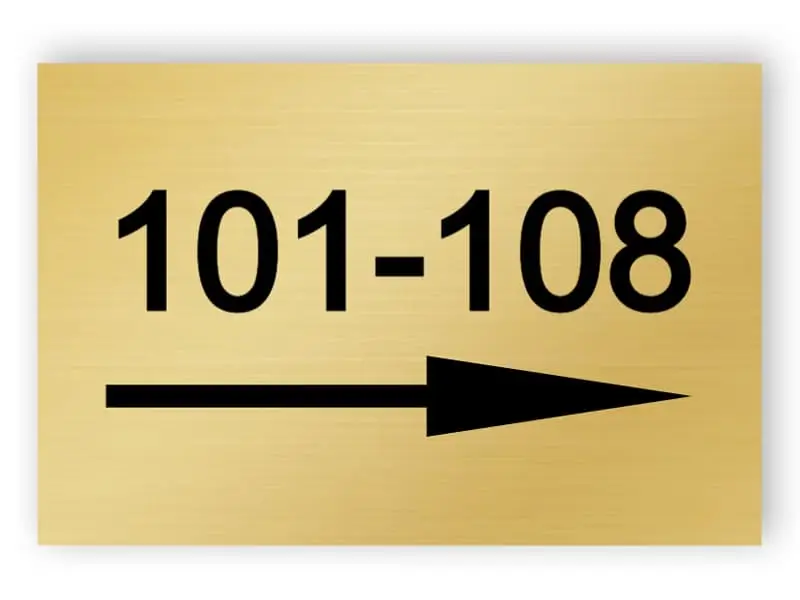
A hotel’s experience begins long before a guest opens the door to their room. The first encounter with signage usually happens in the lobby or near elevators. Directional signs, floor numbers, and arrows guiding to room ranges — «201–220 →» — are essential here. They help people orient themselves immediately after check-in.
In high-end or minimalist hotels, these signs are often integrated into walls or lighting panels. In more classic interiors, they might appear as small engraved plates placed near the elevator. The principle is the same: guests shouldn’t have to stop and think where to go.
Corridors: the heart of hotel navigation
Corridors are where hotel door number signs do most of their work. Their placement should feel intuitive — at eye level, visible from a distance, and consistent throughout the floor.
A long corridor without clear signage can make even an elegant space feel like a maze. Subtle lighting, contrast between wall color and the number plate, or even a slight 3D relief on the digits all help guests find their way naturally.
Hotels in modern styles often use acrylic or metal signage — thin, flat, and minimalistic. They fit the clean geometry of contemporary interiors. In contrast, boutique or rustic hotels prefer wooden door numbers with engraved or painted digits, which add warmth and echo natural materials used in the decor.
Inside the room: a sign that completes the space
It may sound unusual, but many designers also use signage inside guest rooms. Small, matching plates indicating «bathroom», «balcony», or «private» keep the design language consistent. In larger suites, subtle number plates on connecting doors prevent confusion for guests or staff.
In luxury hotels, these interior plates are often part of the overall branding — same color palette, same texture as external signs. It’s a quiet way to say: every detail here matters.
Outdoor signage: between architecture and atmosphere
Exterior door signs, especially for villas, cabins, or resort complexes, have their own rules. They must be visible in daylight and readable after dark, yet still fit the architecture.
Stainless steel or matte acrylic plates resist weather and sun exposure, while wooden signs create a cozy look that fits natural surroundings. The goal is the same — to guide guests smoothly while keeping the hotel’s style intact.
Even the smallest outdoor plate contributes to orientation and comfort. A clear number helps housekeeping, maintenance, and guests alike — especially in multi-unit properties where identical buildings can be disorienting.
Matching style and material
Each type of hotel tells its story through design, and signage is part of that language:
- Modern city hotels favor metal or acrylic signs with sharp lines and subtle lighting.
- Boutique hotels choose crafted wooden numbers, matching natural fabrics and soft textures.
- Industrial-style spaces often use dark steel plates or engraved surfaces with raw finishes.
- Beach or resort hotels go for lighter tones, maybe white acrylic or sand-colored engravings that reflect their calm, airy mood.
The best signage feels invisible — not because it’s hidden, but because it fits so well it doesn’t interrupt the design.
A detail guests remember without noticing
When hotel signage is designed and placed thoughtfully, guests don’t talk about it — but they feel it. They find their rooms easily, sense order and balance, and subconsciously trust the environment more. Poor signage, on the other hand, is instantly noticed — confusion replaces comfort.
In hospitality, that difference matters. Good signage is not decoration; it’s part of the guest experience.
From the lobby to the last room down the corridor, door signs play a quiet but crucial role in how hotels function. They help guests move effortlessly, complement the architecture, and reinforce a hotel’s style.
Whether crafted from wood, metal, or acrylic, each sign tells a small part of the story — one that begins the moment a guest looks up and knows exactly where to go.