

A hernia develops when an organ squeezes through a weak area in the muscles or connective tissues that are holding it in place. It mostly develops in the groin region. There are times when a hernia doesn’t cause any sort of problem. But in other cases, it might become a serious medical issue.
Fortunately, these situations can be alleviated through hernia surgery. What is it, when performed, and what can you expect from the process? Here’s all you need to know.
When You Actually Need Surgery
Not all hernias require surgery right away. Many people have lived with minor and painless hernias for many years while their doctors monitor the situation. But most hernias will worsen with time since that vulnerable patch in your abdomen isn’t going to fix itself.
Surgery will typically become required once the bulge causes pain or when it continues to increase in size. The type of inguinal hernia that a doctor will encounter most commonly happens to 27% of men aged 70 to 80 years old and 3% of women. This type of hernia will almost always require surgery because it will not go away by itself.
The situation becomes more pressing when a hernia becomes “incarcerated” or “strangulated.” Incarcerated means it is trapped and will not go back inside. Strangulated is a more serious situation. The trapped tissue no longer has a blood supply and will begin to die within a matter of hours. Now you need to have emergency surgery.
Warning Signs That Need Immediate Attention
Watch for these red flags that signal a hernia emergency:
- Sudden, severe pain that doesn’t let up
- Nausea and vomiting
- A hernia bulge that turns red, purple, or dark
- Inability to push the bulge back in (when you usually could before)
- Fever along with hernia pain
If you’re looking into hernia surgery Singapore has plenty of specialized centers, but the basic principles of when surgery is needed stay the same no matter where you are.
Hiatal hernias are slightly different. They occur when your stomach presses up into your diaphragm. Many people unknowingly live with hiatal hernias. However, when reflux badly damages your esophagus or when your meds no longer work, surgery becomes an option.
Your Surgical Options
There are a few different varieties of modern hernia repair. Each has its own use depending on your situation.
Open Surgery
Open surgery is the traditional method. The surgeon will make a bigger cut in a spot close to the hernia, push everything back in place, and use a mesh to fix your abdominal wall.
This is an effective process, especially when dealing with larger hernias, femoral hernias, and situations requiring abdominal wall reconstruction. Although recovery is longer, open surgery is still effective. So, you must factor these facts in when making this crucial health decision.
Laparoscopic Hernia Repair
The big change that really brought laparoscopic surgery into its own was laparoscopic hernia repair, which became widely available in the 1990s. They no longer have to make one large incision but can make multiple incisions and use a small camera and surgical tools. They can see what they’re doing through a video monitor.
This is a minimally invasive procedure, resulting in reduced pain, smaller incisions, and faster healing time. It has also been found that patients undergoing the laparoscopic procedure regained normal function a week earlier than those who underwent open surgery.
What Surgery Day Looks Like
Most hernia repairs are outpatient procedures. You will receive general anesthesia. Therefore, you will not be awake during surgery. Surgery usually lasts for about an hour. However, in most cases involving multiple hernias, it takes two hours.
In the case of laparoscopic surgery, the surgeons will fill your abdomen with carbon dioxide gas to provide the necessary space to work on. Fair warning, this will result in some strange shoulder pain for the day or so it takes for the gas to clear.
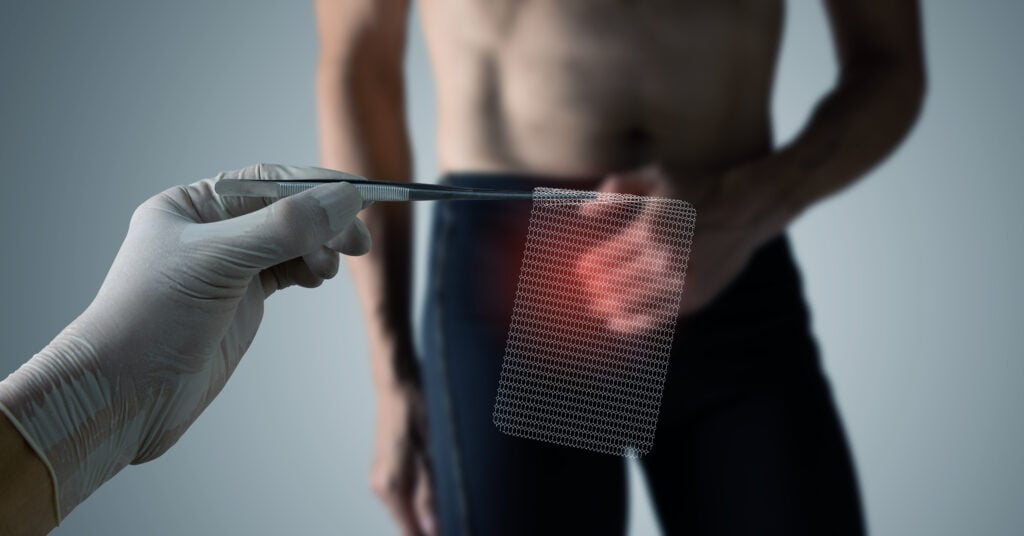
Materials used to make mesh appear in almost all modern hernia repair operations. This mesh supports the weakened abdominal muscle groups and reduces the chances of hernia to a significant level.
According to research, mesh reduces the recurrence after surgery. This mesh materializes into your tissues eventually and provides a far superior hold than would have been possible with stitching.
Getting Back to Normal
Although the hospital stay is short, you will be sore and tired for a few days. That is normal. Pain medicines will help you through that first week.
How quickly the recovery will happen depends on the type of surgical procedure that was performed. In the case of minimally invasive procedures, most people can begin to resume ordinary activities within a week or so. Open procedures take longer.
Take three to four weeks to acclimate to the alterations in your body. Either way, you don’t want to do any heavy exercise or lifting for at least the first four to six weeks. Trying to come at it full bore right off the bat is asking to have problems.
Signs of Complications to Watch For
Keep an eye out for these warning signs during recovery:
- Increasing redness, warmth, or swelling at incision sites
- Any drainage or oozing from the incisions
- Fever above 101°F
- Pain that gets worse instead of better after the first few days
- Difficulty urinating or having bowel movements
These complications don’t happen often, but they need quick attention when they do.
Some people deal with chronic pain after hernia repair, though it’s usually mild. Severe ongoing pain is rare but worth discussing with hernia specialists if you’re experiencing it.
Final Thoughts
If you notice that you have a hernia, it is best to have it checked earlier rather than later. This is for your own benefit so that you can avoid dangerous complications in the future. Believe it or not, your digestive system will thank you, and you’ll be left wondering why you waited so long.