
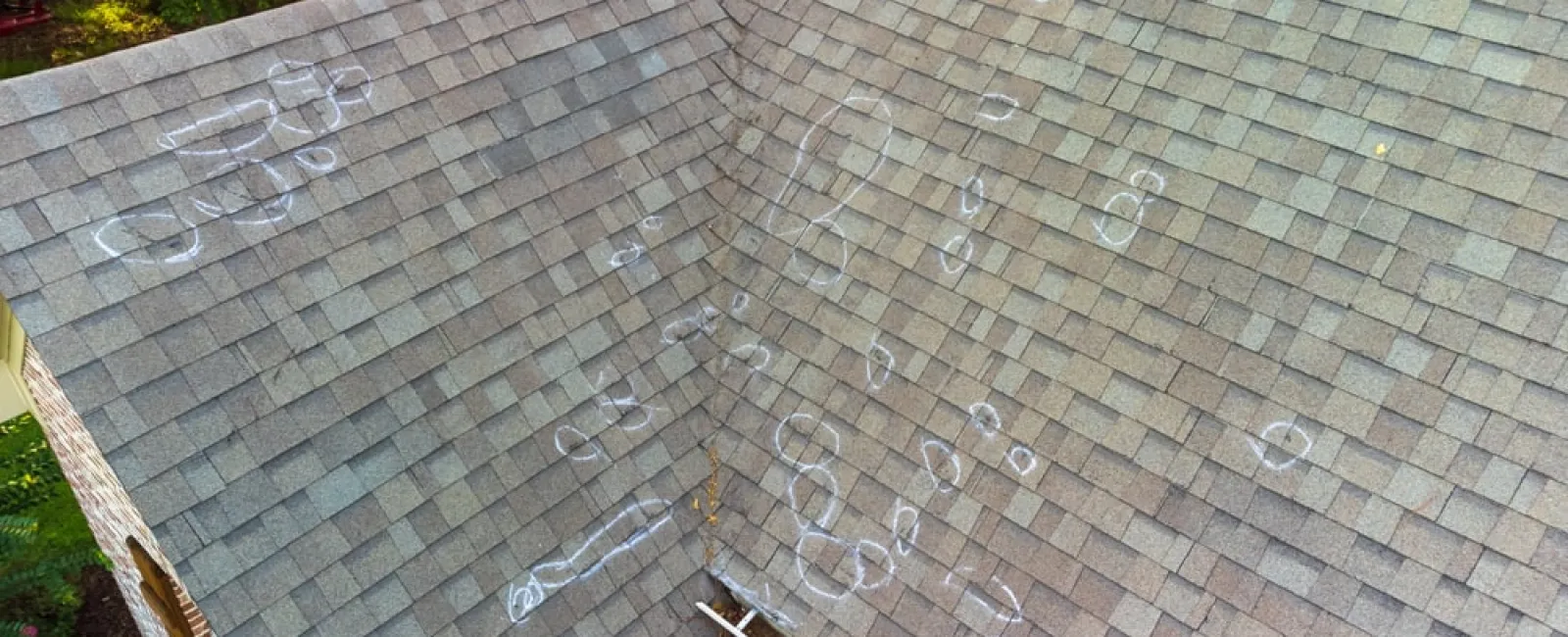
When hailstorms hit, they can cause significant damage to your roof, which is often not immediately visible. A thorough hail damage roof inspection is crucial to assess the impact and prevent further issues.
Introduction
A hail damage roof inspection is an essential part of maintaining your roof’s integrity, especially after severe weather. Hailstones can vary in size, and even small hail can cause substantial damage over time. Unfortunately, the damage isn’t always obvious to the untrained eye, which is why it’s recommended to have a professional conduct a roof inspection for hail damage after any significant storm.
Why Hail Damage Can Be Hard to Spot
Hail damage is often subtle and can be easily overlooked, especially if the storm occurred several days or weeks prior. Many homeowners don’t realize that even minor dents or cracks in shingles can lead to leaks, insulation damage, or other long-term issues. When inspecting a roof for hail damage, a trained professional knows exactly what to look for, ensuring that all the potential problems are addressed.
One of the biggest issues with hail damage is that it may not cause immediate leaks. Small cracks or dings in shingles may not show any signs of leakage right away. Over time, however, these minor issues can develop into more serious concerns like water penetration, mold growth, or even structural weakening of the roof. This is why it is so important to identify hail damage early, even if it isn’t apparent at first glance.
What to Expect During a Roof Hail Damage Inspection
A roof hail damage inspection can be a detailed process, and understanding what the inspector will be looking for can help you feel more confident in the procedure. Let’s break down the steps of a typical roof hail damage inspection:
Step 1: Visual Inspection of the Roof
The first step in a roof hail damage inspection is a thorough visual inspection of the roof from the ground. The inspector will look for signs of damage such as missing shingles, dents, cracks, and granule loss. The roof will also be assessed for any visible marks left by the hailstones. They will check areas such as the ridgeline, valleys, and eaves, as these parts of the roof are most likely to be hit by hail.
In this initial step, the inspector may also take photos of any visible damage for further analysis and documentation. By examining the roof from a distance, they can get a sense of the overall condition of the roof and determine if further investigation is required.
Step 2: Closer Look with a Ladder
After the visual inspection from the ground, the inspector will often climb a ladder to closely examine the roof’s surface. This will allow them to inspect the shingles for any hidden damage. They will check for things like cracks, punctures, or soft spots. Inspecting under the shingles may reveal hidden damage, such as dents in the roofing material or the underlayment.
Inspecting the roof closely at a high level allows the inspector to get a better view of areas that might not be visible from the ground, particularly on steep or sloped roofs. They will also inspect the roof for any loose debris caused by the hailstorm. This debris could have become lodged under shingles or in gaps, which could potentially cause further damage.
Step 3: Checking Gutters and Downspouts
Hail damage inspection doesn’t just focus on the roof surface. The inspector will also check the gutters and downspouts for any signs of damage. Since hail can cause debris to gather in the gutters, it’s important to ensure that the gutters aren’t clogged. Clogged gutters can cause water to back up onto the roof, leading to potential water damage over time.
If the gutters have been damaged by hail, it can cause drainage issues, making it harder for water to flow properly during rainstorms. This can lead to water pooling around the foundation of your home, causing additional damage. An inspector will carefully assess the condition of the gutters and downspouts to ensure they are functioning correctly.
Step 4: Inspection of Flashing and Vents
The flashing, vents, and other roofing components will also be closely examined. Hailstones can loosen or crack flashing, which can lead to leaks. Vents, pipes, and skylights should also be checked for cracks or any broken seals, as these areas are vulnerable to hail damage. If left unaddressed, these issues can cause water intrusion and further deterioration.
Flashing is particularly important because it serves as a seal to prevent water from entering vulnerable areas around chimneys, skylights, and roof penetrations. If the flashing is damaged, it can leave your roof exposed to the elements. Inspecting these components carefully is crucial in identifying potential weaknesses in the roof.
Step 5: Internal Inspection (If Necessary)
In some cases, a roof hail damage inspection will also include an internal examination of the attic space. This allows the inspector to assess any signs of water damage, mold, or leaks that may have made their way into the home. Inspections from the inside provide valuable insights into the condition of the roof, particularly if external signs are not yet visible.
During this step, the inspector will check the attic for any signs of water stains, mold growth, or wet insulation. This can be a strong indicator that water has infiltrated the roof and is compromising its structure. They may also check for any weak spots in the roof deck, which could suggest that the roof has sustained significant damage.
Summing Up
A roof hail damage inspection is a vital step in protecting your home from the long-term effects of a storm. By understanding what to expect during the inspection, you can ensure that your roof gets the attention it needs to stay in good condition. Whether it’s a visual inspection from the ground or a detailed examination from above, hiring a professional to inspect your roof for hail damage can help prevent future problems and ensure your roof’s longevity.
If you’ve experienced a hailstorm recently, consider scheduling a roof hail damage inspection as soon as possible. It’s better to address potential issues early than to wait for them to escalate into costly repairs. Make sure your roof is in optimal condition to protect your home for years to come.