How to Audit Your GTM Strategy Before Adopting AI
GTM strategy should be audited before adopting AI so teams can fix broken processes, improve data quality, and avoid wasted automation.
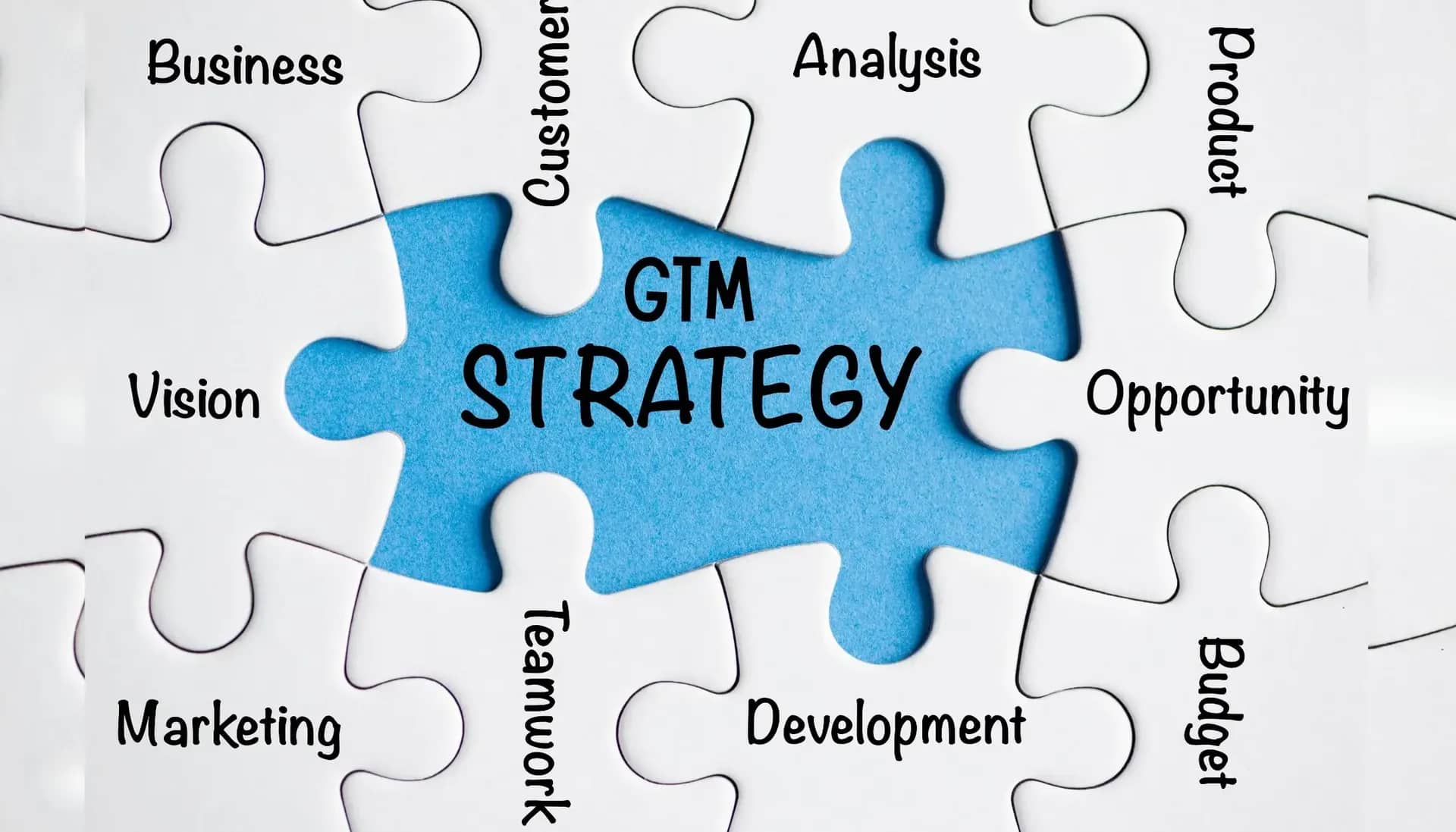
Adopting AI before auditing your GTM strategy can waste serious time. Many teams start with software because the market pressure sounds urgent. Then sales, marketing, and customer success receive more dashboards without better decisions. A better starting point is simple. What part of our GTM process is already broken today?
Your go-to-market strategy explains how your company finds buyers and turns them into customers. It also explains how your team keeps those customers after the sale. GTM AI can support this work, but it cannot repair a broken process by itself. If your data is messy, AI will only make that mess faster.
Before you bring AI into your revenue engine, audit what already exists. Review your goals, customer profile, sales process, marketing funnel, CRM, and team handoffs. This audit gives your team a better base before automation enters the picture.
Start With Your Revenue Goal
Your audit should start with one revenue goal. Do not begin with tools, features, or automation ideas. Begin with the business result your team needs most. This helps you avoid random AI projects that sound useful but solve very little.
Your first goal may be better pipeline quality. Another goal may be faster sales follow-up. Your customer success team may need earlier renewal risk alerts. Marketing may need better audience selection for paid campaigns.
A useful revenue goal should connect with money, time, or conversion. For example, your team may want more demos from target accounts. Sales may need fewer hours wasted on poor-fit prospects. Customer success may need more expansion conversations from healthy accounts.
Write the goal in plain language first. Then decide which GTM process supports that goal. This keeps the audit grounded in the work your team already does every day.
Review Your Ideal Customer Profile
Your ideal customer profile should come from real account data. Many teams still use guesses from old planning meetings. This can hurt targeting because the market and customer behavior change.
Start by studying your closed-won deals from the last twelve months. Review customers with higher deal value and faster buying cycles. Add renewal and expansion accounts because they show longer value. Study lost deals too because they show poor-fit patterns.
Your ICP audit should review:
● Company size and team structure
● Industry and business model
● Region and market focus
● Main buyer roles inside the account
● Pain points mentioned during sales calls
● Deal value and buying timeline
● Renewal behavior after purchase
Turn these findings into a simple checklist. Your sales and marketing teams should use the same version. AI GTM systems work better when the customer definition comes from real data.
Check Your Current Pipeline Quality
A full pipeline does not always mean a healthy pipeline. Your audit should check if the opportunities inside it deserve sales time. Many teams chase volume and then miss accounts with better potential.
Review how many deals come from your target account list. Check which sources produce qualified opportunities. Compare demo requests, outbound replies, partner leads, and paid campaign leads. Then study which sources actually turn into revenue.
Your team should ask a few direct questions. Which leads to the waste of most sales time? Which campaigns bring low-fit accounts? Which segments close faster than others? Which accounts need too much effort after purchase?
This review helps you find where AI can support prioritization. AI should not score every lead the same way. It should help your team find accounts with the right fit and timing.
Audit Your CRM Data
Your CRM is the base for many AI decisions. Bad CRM data will hurt every AI workflow you build later. Before adopting AI, check if your CRM can support real revenue work.
Start with duplicate accounts and outdated contacts. Remove fake titles, old companies, and dead opportunities. Review missing fields that your team needs for scoring and routing. Also, check if deal stages match the actual buyer progress.
Keep your CRM fields simple enough for daily use. Useful fields may include industry, company size, region, source, owner, stage, next step, and close date. Extra fields can create more work when nobody updates them.
Deal stages need careful review during the audit. A deal should not enter later stages based only on seller hope. Each stage should connect with buyer action. This helps future AI forecasts work with better context.
Map The Buyer Journey
Your buyer journey should explain how accounts move from interest to purchase. Many teams have a journey map somewhere, but nobody uses it during daily work. Your audit should turn the map into something practical.
Start with the main stages your buyers pass through. Use stages like awareness, research, comparison, decision, onboarding, renewal, and expansion. Then add buyer actions under each stage.
For example, early research may include blog visits and guide downloads. Product interest may include demo pages and feature pages. Buying intent may include pricing visits and sales replies. Renewal risk may include lower product usage and more support tickets.
This map helps your team decide who should act next. Marketing can nurture accounts in research. Sales can contact accounts showing buying interest. Customer success can support accounts showing product concerns.
AI can help when the journey map is defined first. Without the map, automation may send alerts without useful direction.
Review Your Lead Routing
Lead routing can break revenue speed very fast. A good lead loses value when it reaches the wrong person. Your audit should check how leads travel from form submission to owner response.
Review routing rules for region, company size, segment, product interest, and account ownership. Check if target accounts go to the right sales team. Also, review how fast reps respond after routing.
Measure response time by lead source. A demo request should not wait too long for action. Pricing page leads may need faster review than newsletter signups. High-fit accounts should not get lost inside a general queue.
Your audit should also check rejection reasons. If sales rejects many leads from one source, marketing needs to understand why. Better routing helps your future AI system recommend the right owner faster.
Study Your Messaging
AI writing support depends on the inputs you give it. If your messaging is vague, your AI outputs will also be vague. Your audit should review how your team talks about pain points, outcomes, and proof.
Start with sales emails, landing pages, ads, call scripts, and proposals. Check if the message matches what buyers actually discuss in sales calls. If your buyers talk about cost control, do not center every message on speed. If buyers care about forecast trust, your message should address that issue directly.
Build a small messaging library during the audit. Add pain points by role and industry. Add objections from lost deals. Add proof points from customer wins. Add competitor notes from real conversations.
This library will help later AI workflows produce better drafts. Your team will also gain a shared language across sales and marketing.
Review Your Marketing Funnel
Marketing should be audited before AI enters campaign work. Many teams have traffic and leads, but the funnel does not turn enough visitors into buyers. AI will not fix poor targeting or unclear offers alone.
Start by checking your top channels. Review organic search, paid ads, email, webinars, partners, and social campaigns. Compare traffic quality with pipeline contribution. A channel with high traffic may still bring poor sales outcomes.
Next, review conversion points across the funnel. Check landing pages, lead magnets, demo forms, nurture emails, and event follow-ups. Find places where prospects drop off before sales can engage.
Your audit should answer these questions:
● Which channels bring sales-ready accounts?
● Which landing pages convert the right visitors?
● Which emails lead to real conversations?
● Which forms ask for too much information?
● Which campaigns support target accounts?
After this review, AI can help with campaign testing and audience segmentation. The base strategy should come first.
Check Sales And Customer Success Handoffs
Many GTM problems happen after the deal is won. Sales may close the account, then customer success starts with missing context. This can hurt onboarding and renewal planning.
Review what information gets passed after closed-won deals. A useful handoff should include customer goals, pain points, promised outcomes, decision makers, risks, and timeline. Customer success should not need to ask the buyer the same questions again.
Check if your CRM has a required handoff section. Review if reps actually complete it. Ask customer success what information is missing most. These answers show where automation can save time later.
AI can summarize sales notes and prepare handoff drafts. Still, your team needs to define the required information first. Otherwise, the output may be long but not useful.
Find Repeated Manual Work
The best AI projects reduce the work your team already repeats. Your audit should list tasks that waste time every week. This helps you choose practical automation instead of chasing exciting features.
Repeated tasks may include account research, CRM cleanup, call summaries, email drafts, campaign reports, and renewal risk reviews. Each task should have a clear owner and output.
Rank each task by time spent and business value. A task that takes many hours and affects revenue should rank higher. Call summaries and account research are good examples because they happen every day.
Start with one repeated task after the audit. Test the workflow with one team before adding more automation.
Final Thoughts
Auditing your GTM strategy before adopting AI saves your team from expensive confusion. Start with one revenue goal and review the process behind it. Check your ICP, pipeline, CRM, buyer journey, routing, messaging, funnel, and handoffs.
GTM AI works better when your foundation is clean and practical. AI can support scoring, research, follow-ups, reports, and renewal alerts. It should enter after your team understands what needs improvement.
A good audit gives your team better direction. Then AI can support the work instead of adding another layer of noise.
The weekly question
From obsession to clarity — one original question every week.
We answer one noisy topic at a time, in full. No daily roundup, no thread bait — just the question, the principles, and the system.