The Unseen Tech Powering Top Startups
Enterprise asset management helps startups track, maintain, and scale physical assets while reducing downtime and improving operational efficiency.
We all love the startup stories that grab headlines: the massive funding rounds, the viral apps, the disruptive ideas that change the world. But behind every successful founder's pitch on a show like Shark Tank Dubai, there's an operational backbone holding it all together. While everyone focuses on the shiny user-facing product, the real competitive advantage often lies in the unseen tech that makes the business actually run efficiently.
For any startup that deals with physical things—from laptops and servers to manufacturing equipment and delivery vehicles—that secret weapon is smart asset management. This article breaks down what it is and how modern founders are using it to build stronger, more scalable companies.
Beyond the Pitch: What Is Enterprise Asset Management?
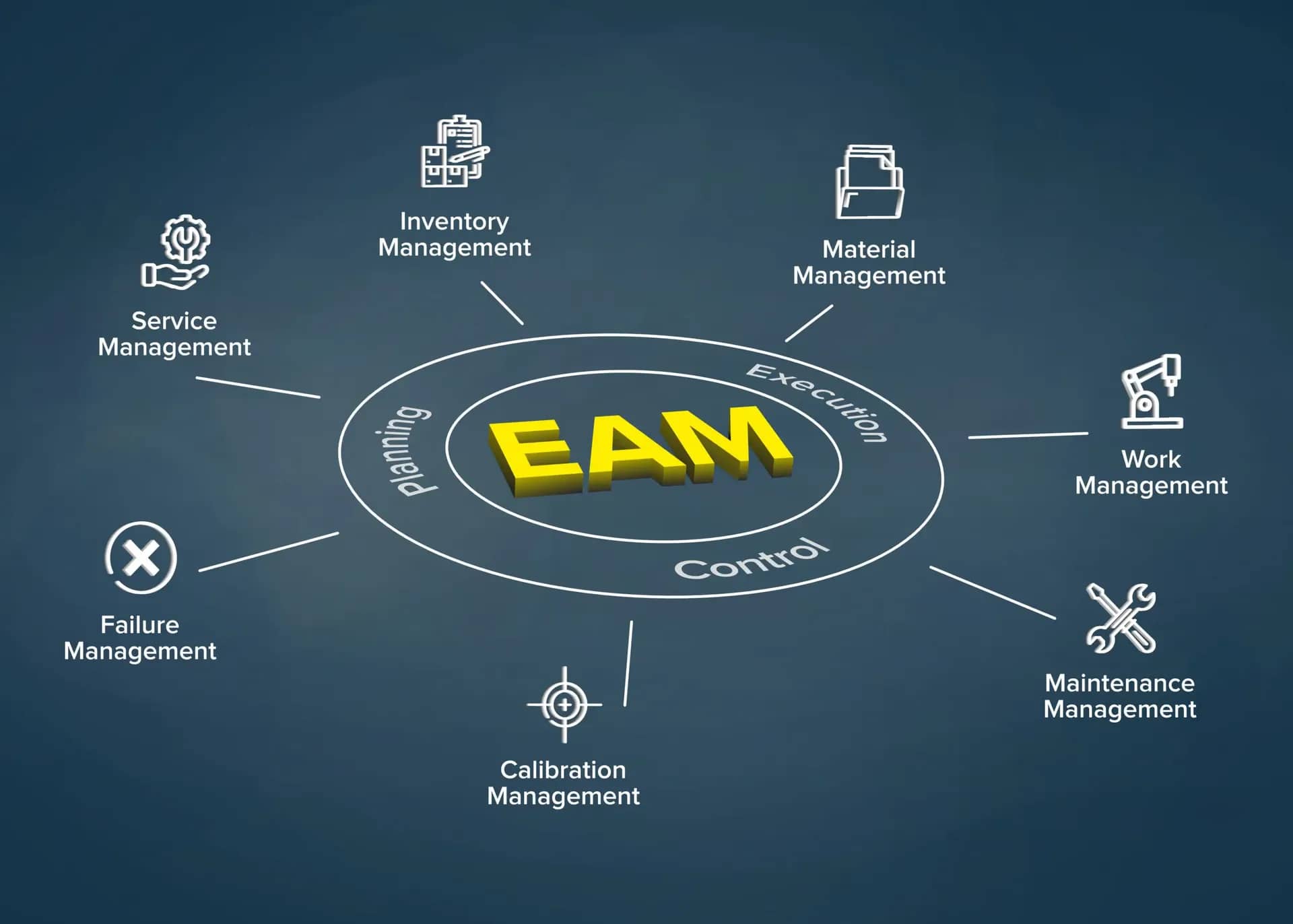
Think of Enterprise Asset Management (EAM) as the central nervous system for all a company’s physical assets. It’s a strategy, supported by software, that manages the entire lifecycle of an asset, from the moment you buy it to the day you retire it. This isn't just about knowing where your equipment is; it's about optimising its performance, scheduling maintenance, and tracking its value over time.
For a growing startup, this is huge. Proper asset management prevents costly downtime, extends the life of expensive equipment, and provides clear data for financial planning. It’s the difference between reacting to problems and proactively managing your resources for growth.
The AI Revolution in Asset Management
Traditionally, maintenance was a reactive game. Something breaks, you fix it. But the integration of Artificial Intelligence has turned this on its head. AI algorithms can analyse performance data from machinery to predict when a part is likely to fail, enabling what's known as predictive maintenance. This means you can fix things *before* they break, avoiding disastrous production halts or service interruptions.
Startups need to be lean and agile, and unexpected equipment failures are the enemy of both. Implementing modern AI-embedded EAM software helps automate these predictive processes, giving founders one less thing to worry about. It allows a small team to manage a large and complex inventory of assets with surprising efficiency.
How Startups Can Get Started
The idea of a full-scale EAM system might sound like overkill for a company just finding its feet. That's a fair point. For many early-stage businesses, a more focused solution is the perfect entry point. This is where a Computerised Maintenance Management System (CMMS) comes in. A CMMS is specifically designed to streamline maintenance operations—tracking work orders, scheduling tasks, and managing spare parts inventory.
Starting with a solid CMMS software package allows a startup to get its maintenance processes in order first. It provides the foundational data and discipline needed to later expand into a full EAM strategy as the company grows and its asset base becomes more complex.
Key Features to Look For
When you're ready to explore a solution, not all platforms are created equal. For a dynamic startup environment, you should prioritise systems that offer specific advantages. Here are a few key features to keep an eye out for:
- - Mobile Accessibility: Your team isn't always at a desk. A system with a powerful mobile app allows engineers and technicians to update work orders and access asset data from anywhere.
- - Scalability: The platform you choose today must be able to handle your growth tomorrow. Look for cloud-based solutions that can easily scale as you add more assets and users.
- - Integration Capabilities: Your asset management tool shouldn't live in a silo. Ensure it can connect with other business systems you use, like accounting or inventory software, for a unified data flow.
- - User-Friendly Interface: A complex system that no one uses is worthless. An intuitive interface ensures your team will actually adopt the software without needing weeks of training.
The Competitive Edge for Modern Founders
In a world where investors look for scalability and operational excellence, having a grip on your physical assets is no longer a 'nice-to-have'. It’s a core component of a resilient business model. It shows you’re thinking beyond the product and building a company that can withstand the pressures of rapid growth. By optimising how you manage your equipment, you reduce waste, improve reliability, and build a much stronger foundation for the future.
So, the next time you see a startup celebrated for its innovative product, take a moment to think about the unseen tech powering its operations. Your next step as a founder could be to assess your own operational toolkit. Is it truly ready to scale with your ambition?
The weekly question
From obsession to clarity — one original question every week.
We answer one noisy topic at a time, in full. No daily roundup, no thread bait — just the question, the principles, and the system.