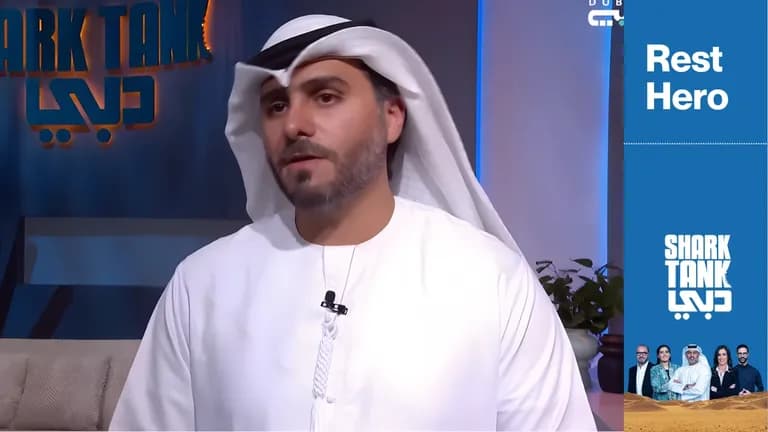
GoMovaro on Shark Tank Dubai: What Really Happened During Raed Al Khatib’s Pitch
GoMovaro’s bold Shark Tank Dubai pitch exposed surprising truths about scaling a moving app in one of the world’s fastest-growing tech markets.
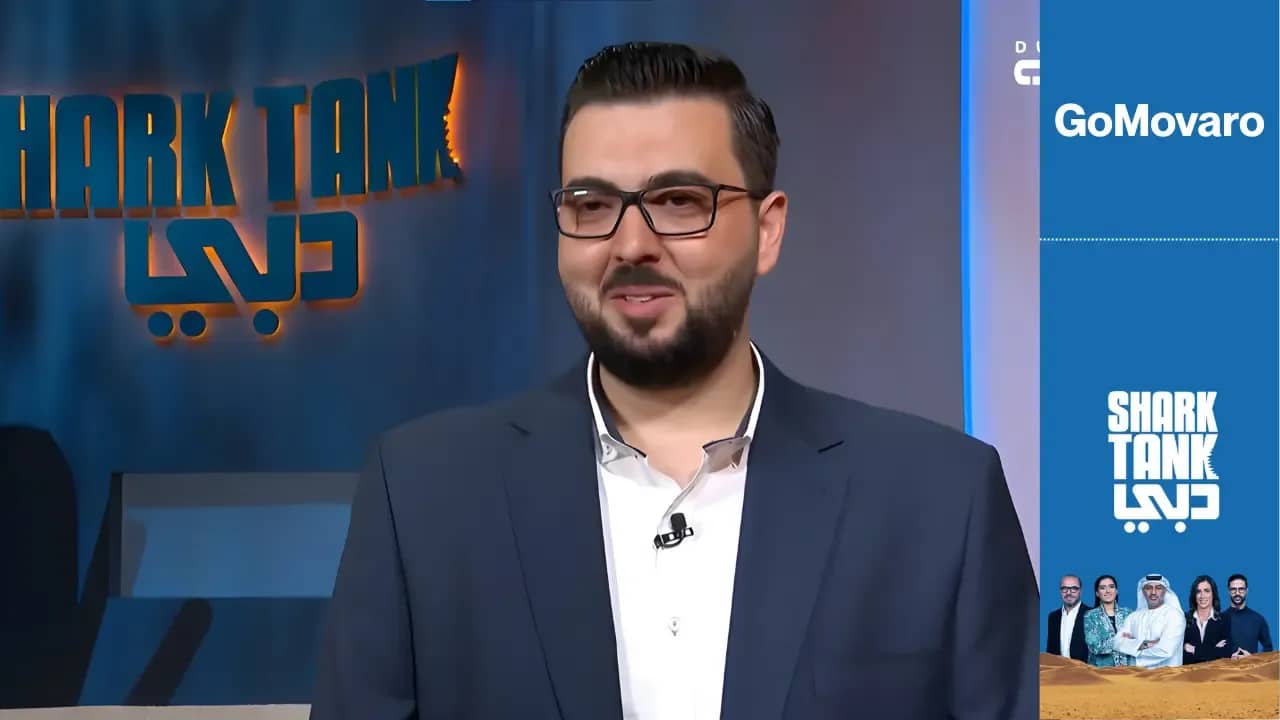
Moving house is universally stressful and still stuck in outdated processes that demand dozens of photos, endless vendor calls, and long waits for quotes. GoMovaro, founded by Raed Al Khatib, entered Shark Tank Dubai with a mission to digitize this experience. The app promises to simplify relocations by letting users request quotes, compare multiple movers, and book services in minutes instead of days.
GoMovaro is already available on the Google Play Store and positions itself as a technology driven alternative to traditional movers by offering in app booking, customer support, and transparent quote comparisons. This vision set the stage for one of the most intriguing pitches of the season.
Al Khatib asked the Sharks for 800,000 AED in exchange for 30 percent equity, which valued GoMovaro at 2.67 million AED despite being only 4.5 months old. While he left the Tank without a deal, the pitch revealed important lessons about marketplaces, monetization and what investors look for in Dubai’s fast growing tech ecosystem.
GoMovaro Shark Tank Dubai Pitch Summary
| Company | GoMovaro |
| Founder | Raed Al Khatib |
| Business | App based moving services marketplace and logistics platform |
| Ask | 800,000 AED for 30 percent equity |
| Valuation | 2.67 million AED |
| Stage | 4.5 months old with early downloads on Google Play |
| Outcome | No deal |
5 Startup Lessons From GoMovaro’s Shark Tank Dubai Pitch
Turning Platform Leakage into Revenue
Most marketplaces collapse when users bypass the platform to avoid commission fees. GoMovaro introduced a surprising twist by monetizing rejected quotes. If a customer declines the movers initial offers, the platform does not lose the lead. Instead, GoMovaro sells it to additional moving companies that may want to contact the user outside the app.
This creates an unusual dynamic. Sometimes GoMovaro can earn more from a declined request than from a successful booking. This protects the company against high user acquisition costs, but it also risks confusing incentives for movers and users.
The key insight is simple and provocative: A rejected lead can still produce revenue when handled strategically.
GoMovaro’s Attempt to Fix the LTV Problem with a B2B Extension
Residential moving has a low lifetime value because most people move only once every few years. To overcome this, GoMovaro explored serving businesses that need frequent deliveries such as sweet shops and flower shops requiring refrigerated vans.
The logic was: If consumers do not move often, businesses do.
This would transform GoMovaro from a low frequency marketplace into a high frequency logistics partner. However, the Sharks pointed out that delivering flowers and moving furniture require different operations, equipment and reliability standards. Entering the B2B delivery market also places GoMovaro against established logistics companies already operating across Dubai.
The Solo Founder Challenge Investors Could Not Ignore
Raed Al Khatib personally invested 200,000 AED into GoMovaro, quit his job and built the early version of the app. His commitment impressed the Sharks but it did not change the fundamental risk. GoMovaro was a solo founder startup operating in a high complexity logistics environment.
The main concerns included:
- Limited traction after 4.5 months
- No co founder increasing key man risk
- High customer acquisition costs that require a skilled team
- Many similar apps competing for the same customers
Faisal summarized the problem perfectly: There is no proven concept, and there is no team.
In Dubai’s tech investment scene, vision matters, but team strength matters more.
The Three Stage Vision That Ambitious Founders Will Relate To
Al Khatib did not pitch GoMovaro as a simple directory. He pitched a three phase roadmap designed to transform the moving experience in the UAE. He aimed to build:
- An instant quote and booking app connecting customers with movers
- An on demand truck service operating similar to an Uber style model
- A used furniture marketplace creating a closed loop system for buying, selling and moving goods
This vision creates a circular economy where customers discover movers, buy furniture, sell items and handle logistics in a single ecosystem. But the Sharks felt this leap from phase one to phase three was too large without significant capital, a technical co founder and structured operations.
Big visions can inspire investors, but early traction must prove they can be executed.
Innovation vs Investment Why GoMovaro Left Without a Deal
GoMovaro’s pitch highlighted a classic startup tension. A founder can show passion, personal sacrifice and innovative thinking, but investors want proof and performance. They want traction, retention and operational readiness.
GoMovaro demonstrated:
- A real relocation pain point shared by consumers and businesses
- A clever approach to monetizing rejected leads
- A clear long term vision for a moving focused ecosystem
But the Sharks saw:
- Limited early data
- A valuation they could not justify
- A business model still being tested
- A solo founder carrying all execution risk
The result was predictable: no deal.
But GoMovaro’s Shark Tank appearance brought visibility to its app and positioned it as a tech driven challenger in the relocation market. With listings already live on Google Play and increasing public interest, the company now has an opportunity to validate its model beyond the Tank.
The big question remains for founders everywhere: Is vision enough to win investor confidence, or does the Tank demand traction above everything else?
GoMovaro leaves that question open and challenges the next wave of UAE founders to answer it through execution, not ambition alone.
Related Reading
Inside a fast-growing pet care startup.
Read the Full StoryThe weekly question
From obsession to clarity — one original question every week.
We answer one noisy topic at a time, in full. No daily roundup, no thread bait — just the question, the principles, and the system.