
6 Steps Toward Feeling Like Yourself Again After Hard Seasons
Feeling like yourself again after a hard season takes radical acceptance, supportive care, simple rituals, and intentional reflection to rebuild identity and emotional strength.
Life is rarely a linear progression of triumphs. For most of us, it is a series of seasons: some vibrant and blooming, others harsh, barren, and exhausting. You might look in the mirror and struggle to recognize the person looking back, and the hobbies that once brought you joy now feel like chores. This fog is a natural response to survival mode, but staying in it indefinitely can cause a profound sense of lost identity.
Returning to yourself is about integrating what you have been through and building a new, resilient version of yourself. Here are six steps toward feeling like yourself again after a hard season.

Practice Radical Acceptance of Your Current State
The main barrier to recovery is the pressure we put on ourselves to get over it quickly. We judge our exhaustion or our lack of motivation, which only adds a layer of shame to an already heavy emotional load.
Radical acceptance is the practice of acknowledging your current reality without judgment. If you are tired, acknowledge that your body and mind have been through a battle and require rest. If you feel emotionally numb, accept that your nervous system may be in a state of freeze to protect you.
Seek Professional Mental Health Treatment
The hard season can leave behind clinical depression, anxiety, or Post-Traumatic Stress Disorder (PTSD). In these instances, self-help strategies and powering through are insufficient because the brain’s chemistry and neural pathways have been altered by the stress.
There is no shame in realizing that the mountain is too steep to climb alone. Seeking evidence-based mental health treatment is the most courageous step toward reclamation. You are receiving care grounded in scientific research, including Cognitive Behavioral Therapy (CBT), Dialectical Behavior Therapy (DBT), or trauma-informed care, which are proven to help individuals process difficult experiences and regain emotional stability.
Re-establish Micro-Rituals
When we are in survival mode, we operate on adrenaline and cortisol, doing only what is strictly necessary to keep our heads above water. To find your way back, you need to rebuild a sense of predictability and safety.
Don’t start with massive lifestyle overhauls. Instead, focus on micro-rituals that signal to your brain that the emergency is over. This could look like:
- Drinking a glass of water before your morning coffee.
- Sitting on the porch for five minutes of sunlight.
- Making your bed every morning.
- A three-minute skin-care routine before bed.
These small acts of self-care communicate to your subconscious that you are worthy of care and that you are back in the driver’s seat of your own life.
Reconnect with the Body
Hard seasons may be experienced from the neck up. We spend so much time ruminating, worrying, and problem-solving that we become disconnected from our physical selves. Prolonged stress causes the body to hold onto tension and trauma in the form of muscle tightness, digestive issues, or chronic fatigue.
To feel like yourself again, you must inhabit your body again. This doesn’t mean hitting the gym for an intense workout. If you are recovering from burnout, high-intensity exercise might deplete your system even more.
Audit Your Social Circle and Set Boundaries
Hard seasons have a way of revealing the quality of our support systems. You may find that some people were pillars of strength, and others were absent or, worse, contributed to your stress.
As you transition out of a difficult time, your social battery can be low. This is the time to be fiercely protective of your energy. You do not owe everyone your time or an explanation of what you’ve been through.
Setting boundaries helps in reclaiming your identity. It allows you to create the space necessary to focus on your own recovery without the distraction of external demands.
Rediscover Your Values
When we feel lost, it’s because our external circumstances have stripped away our roles. If you lost a job, you lost the role of provider. If you experienced a breakup, you lost the role of partner.
Look deeper than your roles and goals. Goals are achievements, but values are the way you want to live your life. Those who value creativity don’t need a high-level marketing job to feel like themselves. Reconnecting with your core values allows you to find yourself in any environment, regardless of the season you are in.

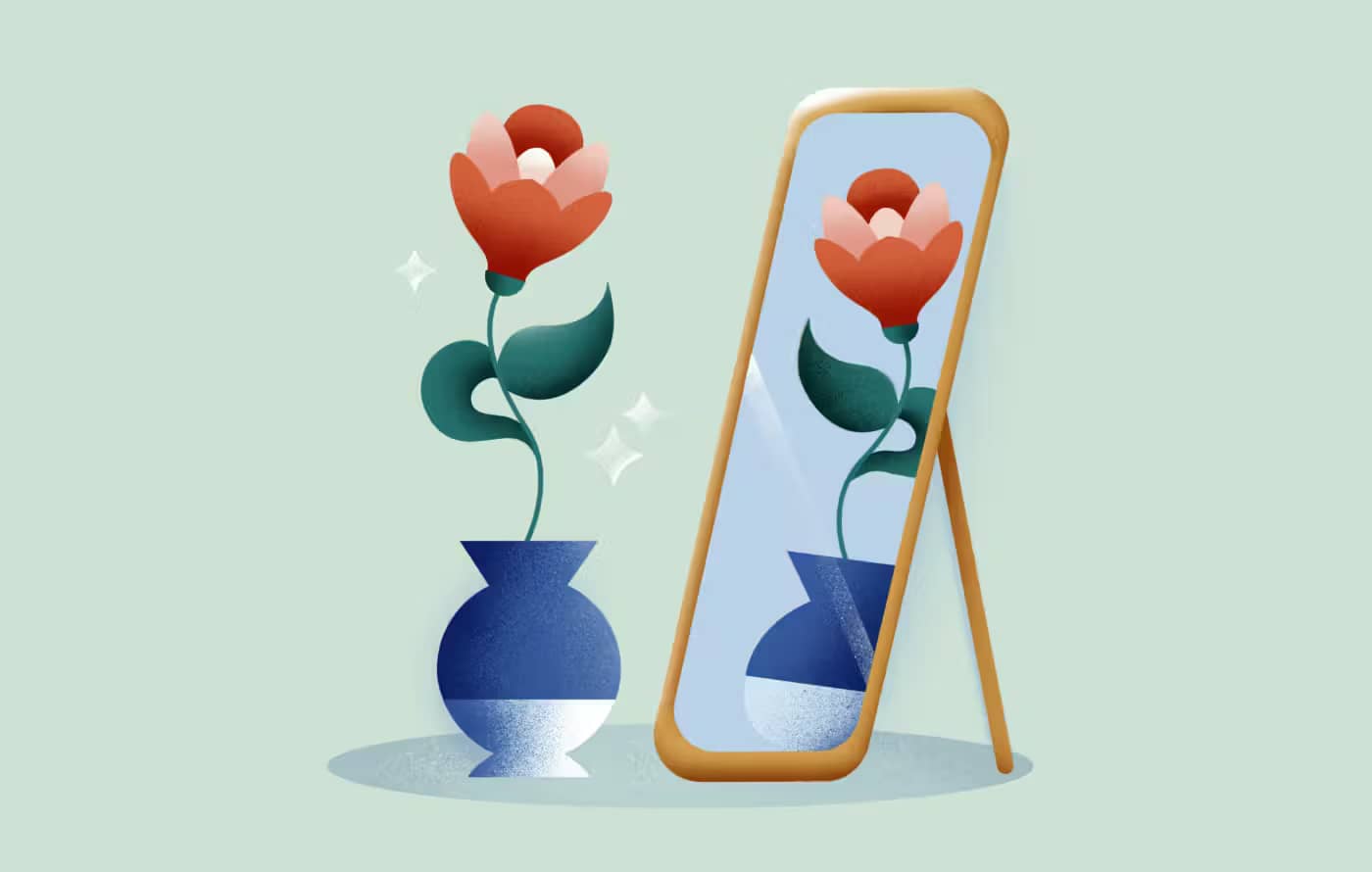
Do not mistake a bad day for a lack of progress. The version of you that emerges from a hard season will be different than the one who entered it. Keep in mind that, with these habits, you will become someone who knows exactly how to survive the winter and how to bloom again when spring arrives.
From obsession to clarity — one original question every week.
We answer one noisy topic at a time, in full. No daily roundup, no thread bait — just the question, the principles, and the system.