
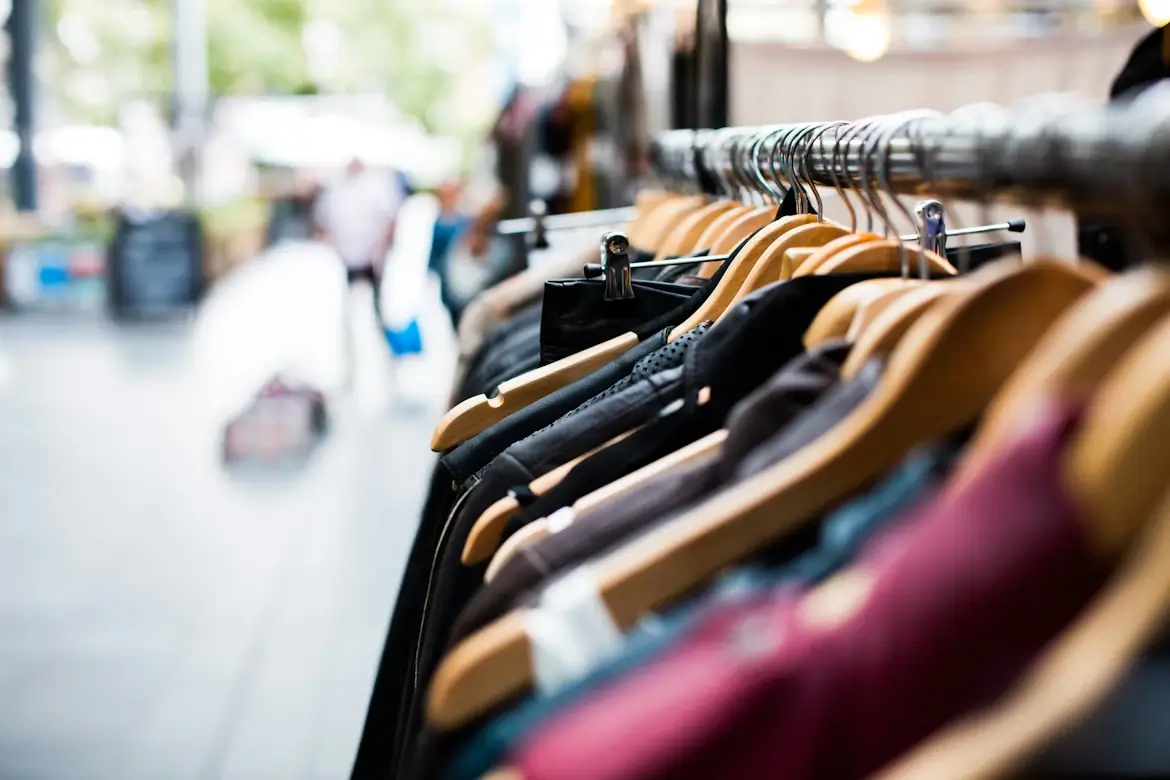
Trends feel new, then familiar, then fresh again. Fashion works in loops, not straight lines, so a piece can sleep in a closet and later return as the item everyone wants. Secondhand markets ride these loops, turning yesterday’s favorite into the prize. When you know how the cycle moves, you can spot what is coming next and choose pieces that hold charm beyond a single season.
Why Styles Come Back
Design ideas rise, peak, fade, and return. The timeline changes by category, yet the curve repeats because tastes shift with culture, technology, and mood. A small bag, a slim strap, or a glossy finish can feel right again when silhouettes and styling tilt in a new direction. Vintage cues signal character, and buyers who remember an earlier era bring energy that spreads to younger shoppers who love the story even without the memories.
Nostalgia, Microtrends, And The Small Bag
Nostalgia powers revivals with emotion as much as logic. You see a photograph, a music video, or a film still, and a shape suddenly looks current. For shoppers who want a curated path, you can explore unique pre-owned pochettes from top brands to match the small shoulder and wrist styles that keep returning. The pochette fits this cycle well because its scale suits nights out, daytime errands, and travel, and its clean face leaves room for hardware, charms, or a silk tie on the strap.
The Quality Signal In Secondhand
Secondhand is not just about price. It is also about materials, craft, and the gentle signs of life that fresh stock cannot show. Smooth leather that has softened, a zipper that still glides, and a lining that holds its shape all hint at thoughtful construction. When a pochette or mini bag ages with grace, it tells buyers that it will keep performing with regular use. That story is a quiet quality signal in a feed filled with new releases that have not yet proven themselves.
Scarcity, Storytelling, And Social Proof
Cycles speed up when a few people tell a clear story about a piece. A stylist posts a look, a singer carries a bag to dinner, a journalist mentions a classic model in a simple outfit. Interest jumps, listings tighten, and the best condition items sell first. Secondhand sellers who describe the origin, collection year, and small design differences help buyers feel confident and informed. The loop from story to sale grows tighter when photos show scale next to a phone or a notebook, because practical context turns curiosity into a plan to wear the item.
Styling That Makes A Comeback Stick
A returning trend lasts when it works with current wardrobes. Pochettes pair with straight denim, neat tees, and clean sneakers for a casual day, then with a slip dress and low heels at night. Neutral colors slide into rotation, while brighter shades act as the single pop that lifts a simple look. Small bags also layer well with larger totes on travel days. You carry documents in the tote and keep keys, cards, and lip balm in the pochette, so check-in lines and taxi rides feel less stressful.
How To Read The Market
Learning the cycle is part observation and part timing. Watch runway nods to past decades, then scan street photos and store edits to see which details catch on. Track price moves in listings and note how condition grades affect the speed of sale. If a shape begins to climb yet supply still looks healthy, that can be a signal to choose a well-kept classic before the rush. If the market feels tight, consider a sibling model with similar lines. A slight change in strap drop or hardware color often delivers the same mood while avoiding crowded bids.
Care, Longevity, And The Next Loop
Care keeps secondhand pieces ready for the next turn of the cycle. Store bags upright with light filling so the silhouette stays crisp. Wipe hardware with a soft cloth and use a gentle cleaner approved for the material. When a seam loosens or a zipper resists, a quick visit to a repair shop restores function and extends life. Each fix adds to the item’s story and sets it up for another revival when tastes swing back.

A smart approach to secondhand fashion starts with the rhythm of the cycle and ends with pieces you love to wear. Small bags like pochettes ride repeated waves because they solve daily needs while carrying clear style cues. Quality materials and honest care let these items serve for seasons, not just weeks, and their stories deepen with each outing. When you follow the signals and buy with intention, the loop that drives fashion becomes a source of value, creativity, and personal expression.