Esso Watches After Shark Tank: Why the Business Closed
Esso Watches left Shark Tank without a deal, and Ryan Naylor later closed the business after a naming dispute. Here is the verified update.
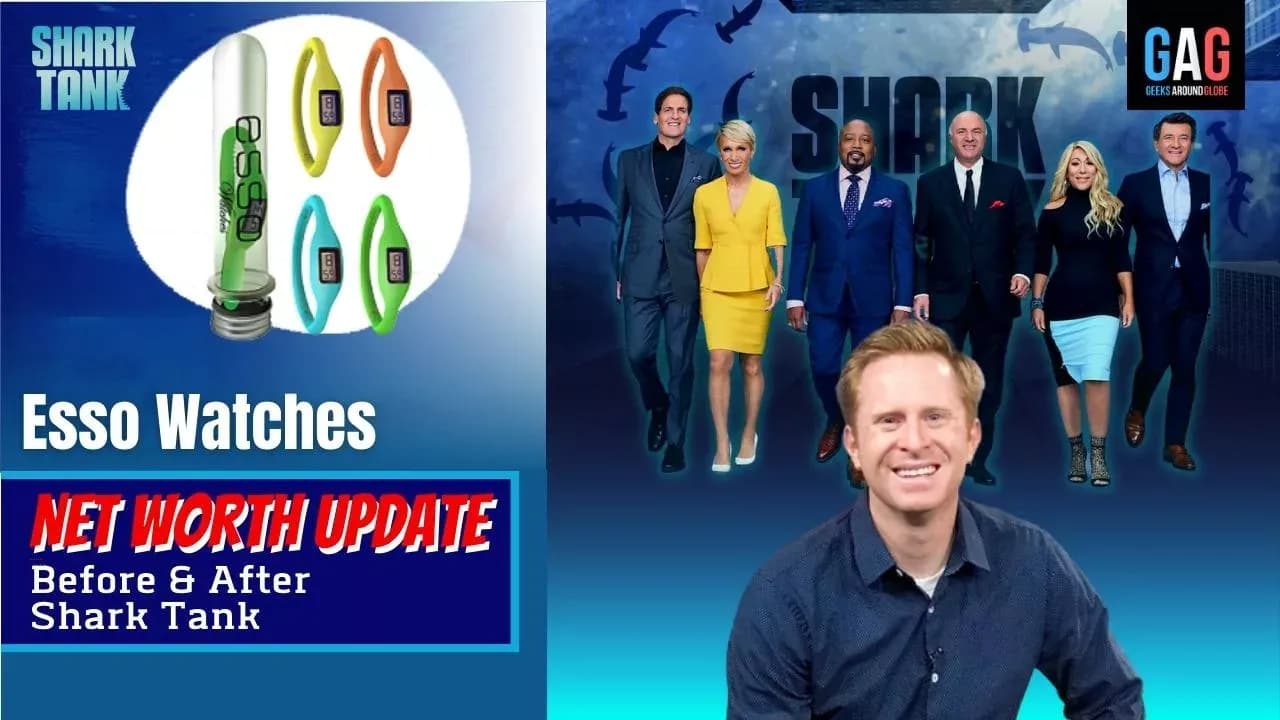
Ryan Naylor pitched colorful silicone Esso Watches with claims about negative-ion technology. The Sharks did not invest, and Naylor later described closing the watch business after a naming dispute. He subsequently built a separate recruiting-software company now called AvaHR.
Quick answer: Esso Watches asked for $35,000 for 20% and received no deal. The original watch company closed. Claims that its negative-ion feature improved health or performance were marketing claims and are not established here.
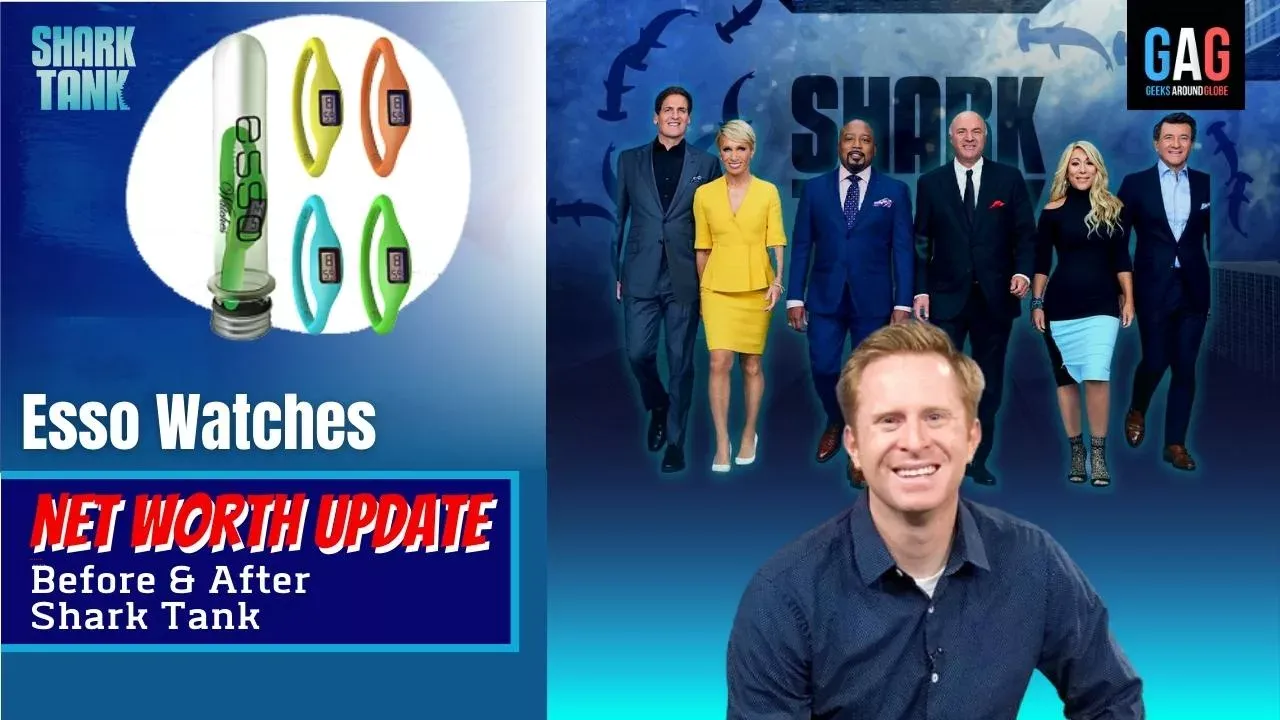
Ryan Naylor and the Esso Watches product line featured on Shark Tank. Photo: ABC/GAG
Esso Watches at a glance
| Detail | Verified information |
|---|---|
| Founder | Ryan Naylor |
| Product | Silicone watches marketed with negative-ion claims |
| Shark Tank season | Season 3 |
| Ask | $35,000 for 20% equity |
| Implied valuation | $175,000 |
| On-air outcome | No deal |
| Current status | Original watch business closed |
| Founder’s later company | AvaHR, a separate recruiting-software business |
The $175,000 figure is the valuation implied by the pitch. It is not a current business value or a measure of Naylor's personal wealth.
Read the complete season in our Shark Tank Season 3 products, deals and updates guide.
What were Esso Watches?
Esso Watches were colorful silicone wristwatches promoted with “negative-ion” technology. The watches combined a lightweight fashion accessory with broad claims about balance, energy or well-being.
The design itself was straightforward: a small digital display integrated into a flexible silicone band. The controversy centered on the claimed benefits rather than the ability to tell time.
This article does not endorse health or performance claims for negative-ion watches. No clinical evidence establishing those advertised benefits was found in the research reviewed.
The lack of evidence mattered during the pitch because investors need to know whether a central product promise is demonstrable, lawful and likely to withstand consumer scrutiny.
What happened during the Shark Tank pitch?
Naylor asked for $35,000 in exchange for 20% equity, implying a $175,000 company valuation.
The Sharks challenged the product's benefit claims and did not invest. Esso Watches left the Tank without a deal.
| Pitch figure | Result |
|---|---|
| Amount requested | $35,000 |
| Equity offered | 20% |
| Implied valuation | $175,000 |
| Final outcome | No deal |
The episode also included Five Minute Furniture, The Painted Pretzel and ReadeREST.
The contrast is useful: ReadeREST demonstrated a mechanical function that viewers could see, while Esso's broader wellness positioning depended on claims the Sharks did not accept.
Why did Esso Watches close?
In GeekWire's report from Ryan Naylor's 2015 Phoenix Startup Week talk, Naylor described closing the original business after a naming dispute involving Exxon Mobil.
Some retellings label the issue a “copyright” dispute. Brand-name conflicts are more accurately discussed as trademark or naming matters unless specific court records establish otherwise. Since this article did not inspect a case filing or settlement, it uses the neutral term naming dispute.
Naylor's public account provides direct support for the closure. That is stronger than inferring failure simply because an old store disappeared.
The source also describes his broader lessons from the Shark Tank experience, but any general statistics stated during a talk should not be treated as independently verified show data.
What happened to Ryan Naylor after Esso Watches?
Naylor moved into recruiting software. His later company was known as VIVAHR and officially rebranded to AvaHR in April 2025.
AvaHR's rebrand announcement explains the name change, and its official About page identifies Naylor as founder.
AvaHR is a separate business. Its customers, revenue, product development or present value should not be counted as Esso Watches performance.
This distinction prevents a common update error: a founder can become successful in a new industry without reviving or continuing the company pitched on Shark Tank.
Are Esso Watches still available?
The original Esso Watches business is closed, and no active official store was verified.
Secondhand watches or old listings may still appear online, but that does not indicate the company is manufacturing new products or supporting purchases.
Consumers should also be cautious about health or performance claims attached to similar ion-branded accessories. A product listing or testimonial is not the same as independent clinical evidence.
Esso Watches valuation and net worth
Naylor's ask implied a $175,000 valuation at the time of the pitch.
That figure does not establish:
- revenue or profit;
- the value of the company when it closed;
- the value of AvaHR;
- or Ryan Naylor's personal net worth.
No investment, acquisition or verified financial statement provides a later valuation for Esso Watches. Assigning the founder's later software-company value to the watch brand would combine two unrelated businesses.
What founders can learn from Esso Watches
Esso Watches shows why a product's main claim must be supportable.
If a benefit is central to marketing, investors will ask for testing, evidence and a clear explanation of what customers are actually buying. A fashionable watch can be evaluated on design and price; a wellness product invites additional scrutiny.
The company also demonstrates the importance of brand clearance. Founders should search trademarks, domain names and similar marks before investing heavily in packaging and promotion.
Finally, business identity matters. After one company closes, the founder's next venture should be reported separately rather than used to rewrite the earlier product's financial history.
Frequently asked questions
Who founded Esso Watches?
Ryan Naylor founded and presented Esso Watches.
What did Esso Watches claim to do?
The silicone watches were marketed with negative-ion benefits. Those health or performance claims are not established by the evidence reviewed.
How much did Esso Watches ask for?
Naylor asked for $35,000 for 20% equity, implying a $175,000 valuation.
Did Esso Watches get a Shark Tank deal?
No. The Sharks did not invest.
Why did Esso Watches close?
Naylor later said he closed the business after a naming dispute involving Exxon Mobil.
What does Ryan Naylor do now?
He founded recruiting-software company AvaHR, previously called VIVAHR. It is separate from Esso Watches.
Can you still buy Esso Watches?
No active official store or new original-brand product line could be verified.
What is Esso Watches worth today?
The original business is closed, and no reliable evidence supports a current valuation or founder net-worth estimate.
The weekly question
From obsession to clarity — one original question every week.
We answer one noisy topic at a time, in full. No daily roundup, no thread bait — just the question, the principles, and the system.