
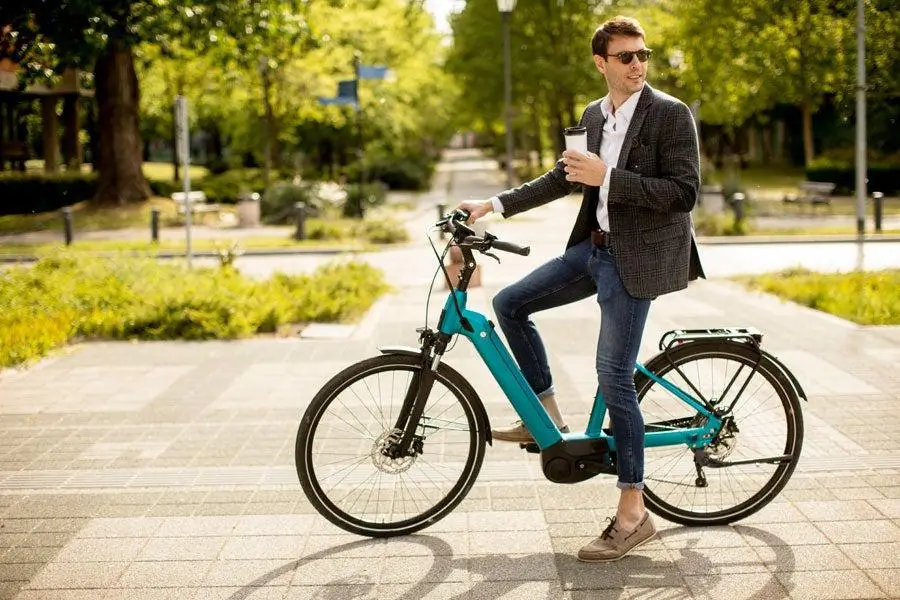
You can push through the headwind, up that steep slope, sweat beading down your neck. Or you can glide past traffic with the motor gently kicking in, still pedaling, but not killing yourself. It’s a simple difference. One drains you, and the other helps you show up without looking like you ran a marathon.
People don’t see the major difference until they try both. If you’re thinking of purchasing a bike in Australia, let us tell you why electric bikes make more sense over traditional ones.
Cost of pedal power
A regular bike looks cheap. You can get one for a few hundred bucks, and it’s tempting. However, don’t forget that traditional bikes often come with issues such as chain problems, brake replacements, and frequent tune-ups. Plus, if you’re commuting daily, those repairs will occur more often.
Then there’s the real cost: time and effort.
If you ride a regular bike in places like Brisbane or Adelaide, you arrive sweaty and tired. You may need to change clothes or even need a quick rinse in the office bathroom. It eats into your day.
With an e-bike, you’re still pedalling, but with less effort. You’re not stuck in a lower gear grinding up a hill. You arrive fresher, faster, and less frustrated.
Infrastructure compatibility
Bike lanes are no longer just for road warriors in Lycra. Councils across Australia are quietly making moves. Pop-up lanes from the lockdown era are turning permanent. Charging points are starting to appear. There is also more parking flexibility than before, accommodating e-bikes with foldable or compact frames.
Even apartment dwellers are finding ways to store and charge their bikes indoors, thanks to new building rules in some states.
Terrain and distance gaps
Australia is big, and it’s not entirely a flat land. Most cities are either spread out or weirdly designed. Think about Sydney. One minute you’re cruising in the biking lane, the next you’re climbing a ridiculous incline through Surry Hills or Annandale. A normal bike makes that feel like a punishment.
E-bikes level that out. Suddenly, those longer commutes are possible. You’re no longer thinking twice about a 12 km ride. You might even start skipping the car for mid-range trips, something unthinkable for many on traditional bikes.
If you’ve ever looked at a map and thought, “That’s too far for a pushbike, but too short for a car,” you’re already thinking in e-bike terms.
Vast range of electric bikes
When looking for electric bikes in Australia, you’re not short on options. Whether you’re in Melbourne or a regional town, brands have flooded the market. From cargo-style models to slick commuter frames, you’ll find setups for every type of rider.
Picky riders, looking for specifics such as speed, battery size, and weight, can choose their favourite bike from Australia’s largest range of electric bikes. This kind of variety wasn’t here five years ago. Now it’s normal.
Energy efficiency per kilometre
People think bikes are the cleanest option. Mostly true, but there’s a hidden cost to powering your legs, too – food. Human energy is not free.
A traditional cyclist burns more calories, which means higher food intake. Producing that food (especially meat-heavy diets) has its own emissions.
Meanwhile, an e-bike uses a small battery, charged at night, often from renewable energy sources if you have solar panels at home. The actual energy use per kilometre can be lower than your imagination.
Fitness trade-offs
“But you don’t get exercise on an e-bike” — Really?
Most people don’t switch to e-bikes to stop walking. They swap it for sitting in a car. So even if you’re using pedal assist, you’re moving your legs. You’re still out in the fresh air. You still feel it in your calves.
And for older folks, people recovering from injuries, or those who are not already fit, an e-bike is exercise, just at a level that won’t wreck them.
Utility and load capacity
Try carrying a week’s worth of groceries on a traditional bike. Maybe doable with a backpack or if you’ve got panniers, but it’s a struggle. Now imagine an e-bike with a front basket and rear rack. You can load it up without tipping over or needing Olympic quads.
Cargo e-bikes are a thing now. You’ll see parents riding with a kid or two on the back, along with their bags. It’s highly functional. You could run errands all day with it and not need a second car. Regular bikes just don’t cut it when it comes to actual utility.
Verdict
If you’re still holding out with your regular pushbike, no hate. But don’t knock the electric till you ride one. The moment you pass a car stuck in traffic without breaking a sweat, you’ll get it.