Who Are Arlene Battishill and Desiree Estrada? GoGo Gear Founders
Arlene Battishill and Desiree Estrada created GoGo Gear to give women motorcycle riders protective apparel without sacrificing everyday style.
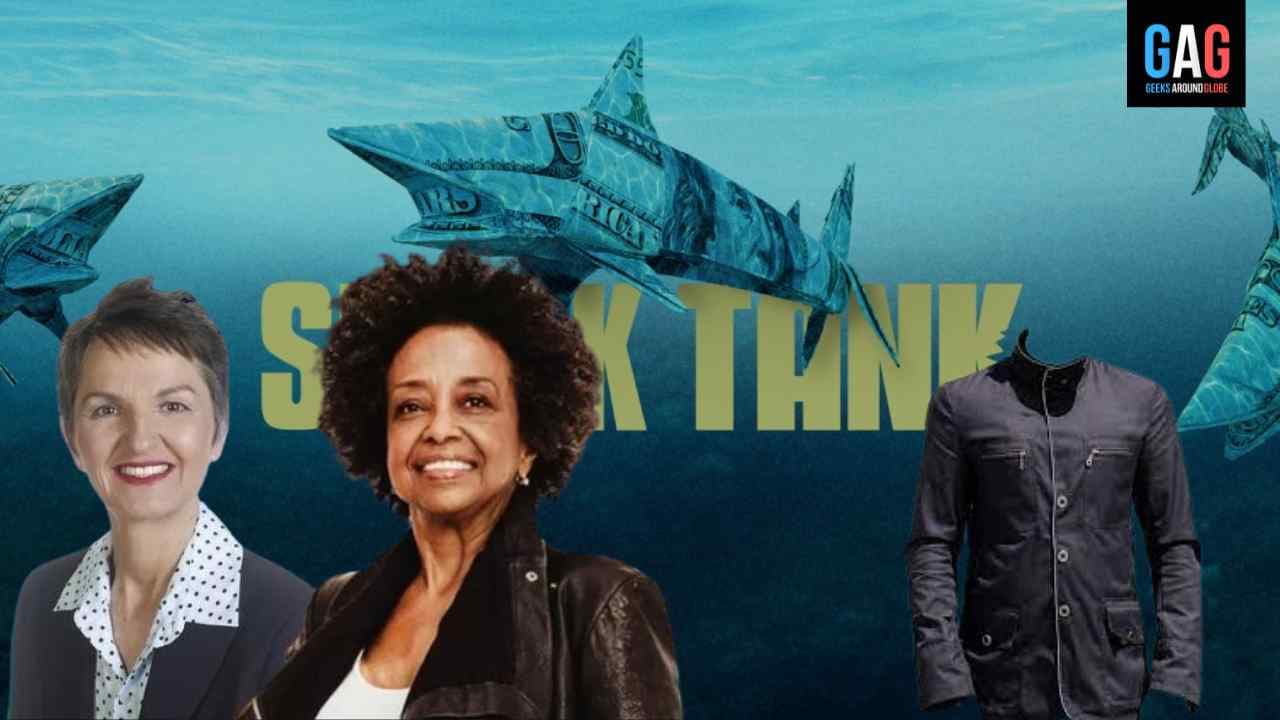
Arlene Battishill and Desiree Estrada co-founded GoGo Gear around a clear idea: women who ride motorcycles and scooters should not have to choose between protective apparel and clothing they would feel comfortable wearing away from the bike.
Their Shark Tank appearance gave the company national visibility, but their founder story is more useful when viewed through product design, partnership and market positioning—not an unsupported estimate of their personal wealth.
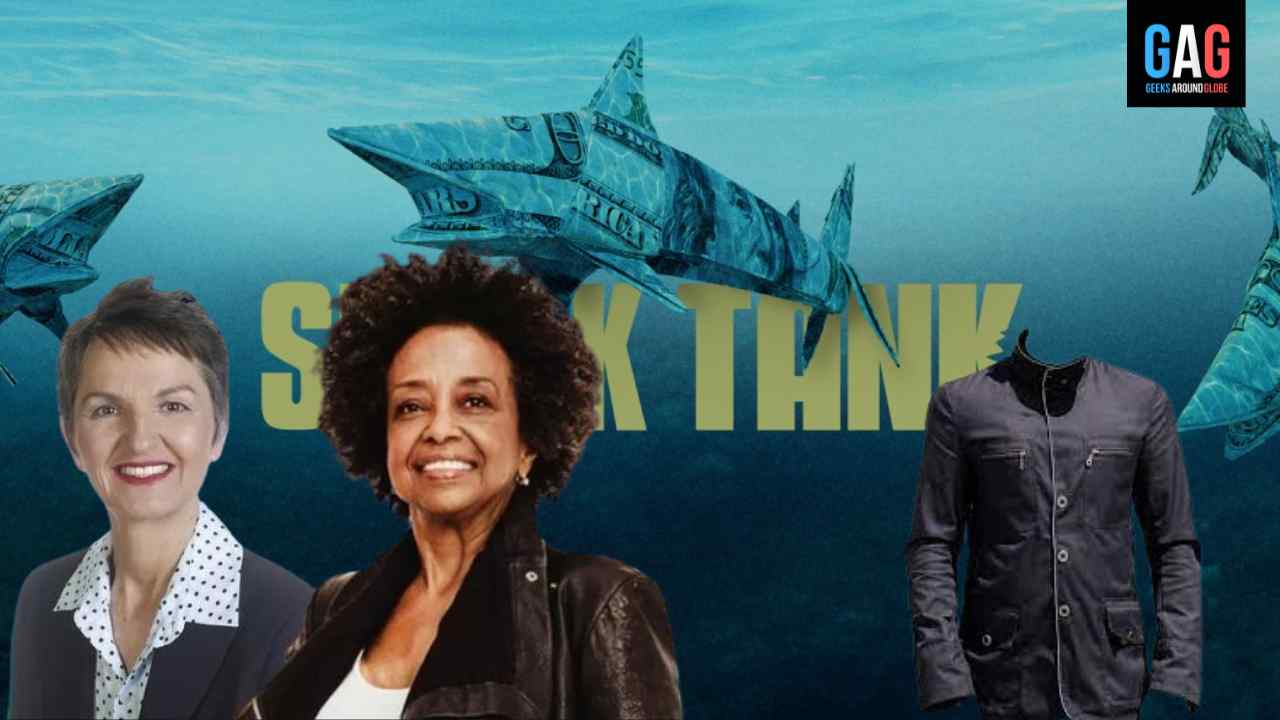
Arlene Battishill, Desiree Estrada and GoGo Gear protective apparel. Photo: GoGo Gear/GAG
Arlene Battishill and Desiree Estrada at a glance
| Detail | Verified information |
|---|---|
| Known for | Co-founding GoGo Gear |
| Product focus | Protective motorcycle and scooter apparel with everyday styling |
| Primary audience | Initially centered on women riders |
| Shark Tank season | Season 3 |
| On-air agreement | $300,000 for 65% with Daymond John |
| Personal net worth | Not publicly verified |
The previously circulated $3 million net-worth claim is not supported by reliable evidence and has therefore been removed. Company activity, a televised offer or a retail price cannot be used to calculate a founder's personal wealth.
Why the founders created GoGo Gear
Traditional motorcycle gear often prioritizes function over appearance. That works for many riders, but Battishill and Estrada saw a gap for people—especially women using motorcycles or scooters for transportation—who wanted protection without changing into conspicuously technical clothing at every destination.
GoGo Gear's early designs approached protective apparel as fashion as well as equipment. The concept included garments made to resemble everyday coats and pants while incorporating abrasion-resistant materials and protective features appropriate to riding.
This positioning gave the founders a specific customer rather than an undefined mass market. They were not simply selling another jacket; they were arguing that safety equipment could better reflect how urban riders actually lived and dressed.
A partnership built around an overlooked customer
Public information about Battishill and Estrada's private lives is limited, and no responsible profile should fill those gaps with guesses. What is documented is their joint role in identifying the market opportunity, developing the GoGo Gear concept and representing it publicly.
Their partnership mattered because the company sat at the intersection of several demanding fields:
- Apparel design and fit
- Motorcycle safety
- Materials and manufacturing
- Consumer education
- Retail and online distribution
- Marketing to a customer often underserved by established gear brands
Building in that category required the founders to communicate both style and protection. A garment could not succeed on appearance alone, but highly technical language could also obscure the everyday benefit they wanted customers to understand.
Their Shark Tank pitch
Battishill and Estrada appeared on Shark Tank Season 3 seeking funding to grow GoGo Gear. Their pitch highlighted the gap between conventional motorcycle clothing and stylish apparel that could be worn after a ride.
They reached an on-air agreement with Daymond John for $300,000 in exchange for 65% equity. His apparel experience made him a logical potential partner, although the size of the equity stake also showed how much operational and commercial support the business was seeking.
The televised agreement did not ultimately become a completed investment. That outcome should not be confused with a failure to build a business: deals commonly undergo additional due diligence after filming, and the company continued operating after its episode.
For the complete product, deal and company-status analysis, read GoGo Gear after Shark Tank. GoGo Gear is also included in our complete Shark Tank Season 3 guide.
Building beyond the television appearance
GoGo Gear continued developing protective apparel after the show, including armored leggings and other riding garments intended to look less like traditional motorcycle equipment. The brand also pursued customers beyond its initial U.S. television audience.
The company's trajectory illustrates a challenge facing category-changing products: founders must explain why the existing choices are inadequate before they can persuade customers to try something new. In GoGo Gear's case, the founders were asking riders to see protective clothing as something that could work throughout the day, not only while on a motorcycle.
Public sources do not provide a complete, independently verified financial history for the company. For that reason, this profile does not assign revenue, valuation or personal-wealth figures that cannot be substantiated.
What each founder contributed
The surviving public record often discusses Battishill and Estrada together, and it does not consistently document a precise division of every responsibility. Both should therefore receive credit as co-founders rather than assigning unsupported titles or accomplishments to one person.
Battishill became a particularly visible public representative of the brand, while Estrada's co-founder role remained part of GoGo Gear's origin and Shark Tank story. Where first-party documentation is unavailable, it is more accurate to acknowledge the limits of the record than to manufacture detailed biographies.
Lessons from their founder journey
- Design for a specific overlooked customer. GoGo Gear's clearest value proposition came from understanding women riders' needs.
- Function and appearance can reinforce each other. Protective clothing is more useful when customers are willing to wear it consistently.
- Industry expertise in an investor can matter as much as cash. Daymond's apparel background was central to the founders' interest in his offer.
- An on-air deal is not a final transaction. Due diligence continues after filming.
- A founder profile does not require a wealth estimate. Product decisions, market insight and execution provide the meaningful story.
Where are Arlene Battishill and Desiree Estrada now?
GoGo Gear's public visibility and availability have changed over time, and there is limited verified information about both founders' current work. The absence of complete public biographies does not erase their contribution: Battishill and Estrada recognized that a major apparel category was underserving women and built a product line specifically around that insight.
Their most lasting entrepreneurial lesson is not a speculative dollar figure. It is the decision to question a longstanding industry assumption—that protective riding clothes must look unmistakably like protective riding clothes—and develop an alternative for customers who wanted safety and style in the same garment.
The weekly question
From obsession to clarity — one original question every week.
We answer one noisy topic at a time, in full. No daily roundup, no thread bait — just the question, the principles, and the system.