The Scrub Daddy Deal Daymond John Says Still “Burns”
Daymond John did not reject Scrub Daddy—he bid for it and lost to Lori Greiner. Here is what he later said and how the Season 4 negotiation unfolded.
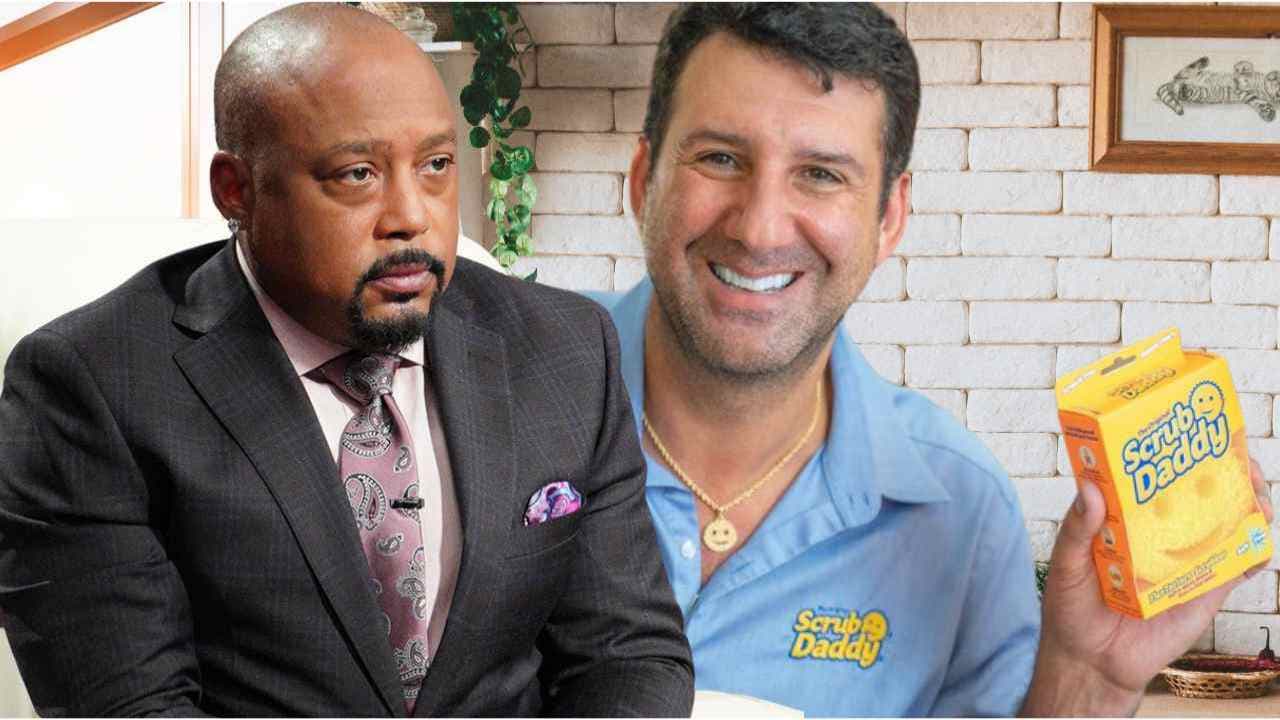
Quick answer: Daymond John did not reject Scrub Daddy. He bid for the company during its Shark Tank pitch but lost to Lori Greiner. Years later, John publicly said the missed investment still “burns” him as he watched the cleaning brand grow.
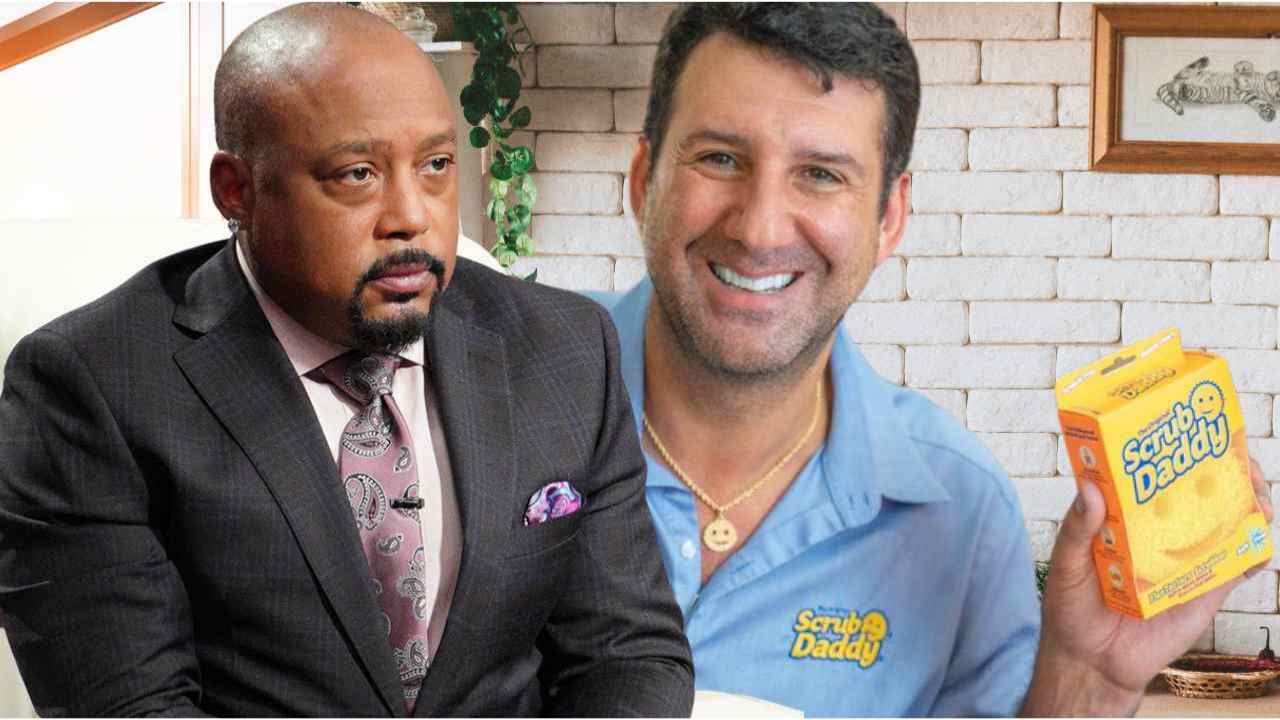
Daymond John later described Scrub Daddy as the Shark Tank investment opportunity he regretted losing. Photo illustration: GAG archive
What Daymond John said about Scrub Daddy
During an appearance on The Drew Barrymore Show, John was asked whether he regretted missing any Shark Tank investment. He identified Scrub Daddy—the deal he lost to Greiner.
John joked that he keeps seeing Scrub Daddy’s growing product family in stores and said, “And it burns me.” His answer was lighthearted, but the investment opportunity was real: he had actively competed for a stake during Aaron Krause’s Season 4 pitch.
This is more accurate than saying Scrub Daddy became a “nightmare” for John. He has described it as a deal he regrets losing, not as a business that harmed him.
Did Daymond John reject Scrub Daddy?
No. John made an offer and increased it during the negotiation. The televised pitch developed into a bidding contest involving John, Greiner and Kevin O’Leary.
| Pitch detail | Verified outcome |
|---|---|
| Aaron Krause’s ask | $100,000 for 10% |
| Daymond John’s highest offer | $175,000 for 25% |
| Lori Greiner’s final offer | $200,000 for 20% |
| Deal accepted | Lori Greiner’s offer |
| Did the partnership continue? | Yes |
John’s final increase helped push the bidding higher. When Greiner offered $200,000, he withdrew and joked that he had made Krause an extra $100,000 because he wanted to make the deal more expensive for her.
Krause then negotiated Greiner’s equity request down from 25% to 20%, producing the agreement that became one of the show’s best-known partnerships.
Why Lori Greiner won the deal
Price was only part of Krause’s decision. Greiner positioned herself as a retail and television-shopping partner who understood how to demonstrate a consumer product. Scrub Daddy’s temperature-responsive material and smiling design were easy to show on camera, making her QVC experience especially relevant.
The accepted terms valued the company at $1 million on the deal’s post-money basis. That figure described the 2012 negotiation; it is not Scrub Daddy’s current valuation.
Scrub Daddy’s official account of the deal confirms that Greiner secured a 20% stake for $200,000.
How successful did Scrub Daddy become?
Greiner’s official product page now reports that Scrub Daddy has:
- Generated more than $2.9 billion in sales since Shark Tank
- Expanded to more than 165 products
- Reached more than 242,000 retail stores
- Sold products in 75 countries
These are investor-reported figures rather than audited public-company filings. They nevertheless explain why John names the company when discussing a missed opportunity.
For the verified company history, current status and deal details, read Scrub Daddy After Shark Tank.
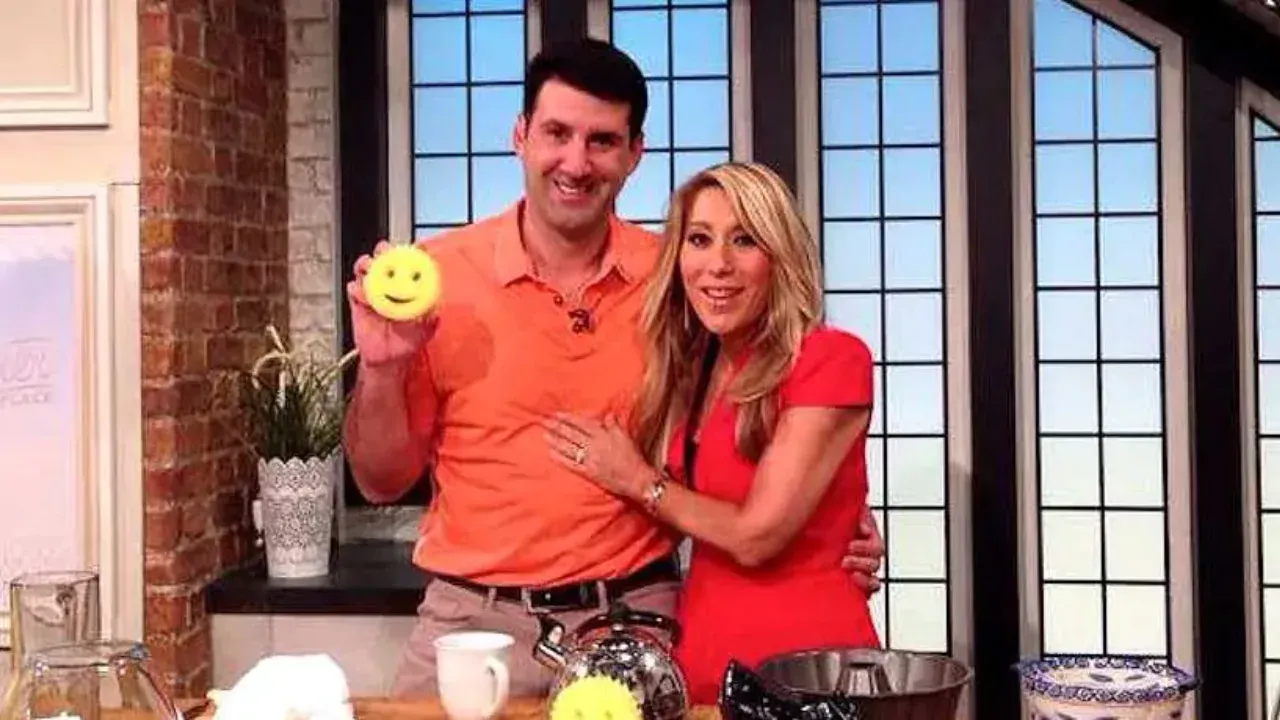
Aaron Krause and Lori Greiner continued working together after their televised agreement. Photo: GAG archive
How much money did Daymond John miss?
There is no responsible way to calculate an exact figure.
John never acquired Scrub Daddy shares, and the company is privately held. Its current valuation, profits and complete ownership structure are not publicly disclosed. The $2.9 billion figure is reported cumulative sales—not company value and not the amount Greiner personally received.
Claims that John “lost” a specific number of millions therefore confuse an unrealized opportunity with actual money taken from him. The defensible conclusion is simpler: he missed an investment in a company that later produced exceptionally large reported sales.
Was Scrub Daddy Daymond John’s only regret?
John has repeatedly described Scrub Daddy as the deal he regrets because he actually pursued it and lost the bid. That distinction separates it from products he passed on without making an offer.
His comments also show the uncertainty behind every pitch. Investors must decide using the company’s position at filming, not the years of results that viewers can see afterward.
What happened to Scrub Daddy after the deal?
The agreement with Greiner continued beyond television. The brand grew through QVC, major retailers, international distribution and a widening range of cleaning products.
The company has also considered major strategic decisions. Reuters reported in 2024 that it explored options that could allow investors to cash out, although no completed sale has been publicly confirmed. Our explainer examines whether Scrub Daddy was sold.
For a closer look at cumulative sales, annual revenue and valuation, see How Scrub Daddy Grew to $2.9 Billion in Reported Sales.
Frequently asked questions
Did Daymond John make an offer for Scrub Daddy?
Yes. His highest televised offer was $175,000 for 25% of the company.
Why did Aaron Krause choose Lori Greiner?
Greiner offered more money, accepted a lower equity percentage and brought consumer-retail and QVC experience that matched the product.
Did Daymond John lose money on Scrub Daddy?
He missed a potential investment, but he did not lose money already invested in the company.
Is Scrub Daddy worth $2.9 billion?
That is not a verified valuation. Greiner reports more than $2.9 billion in cumulative sales since the episode. Sales and company value are different measurements.
The bottom line
Scrub Daddy is best described as the bid Daymond John wishes he had won. He recognized the opportunity, competed with Greiner and helped raise the offer—but Greiner secured the partnership. The brand’s later growth turned that televised bidding loss into one of John’s most memorable Shark Tank regrets.
The weekly question
From obsession to clarity — one original question every week.
We answer one noisy topic at a time, in full. No daily roundup, no thread bait — just the question, the principles, and the system.