
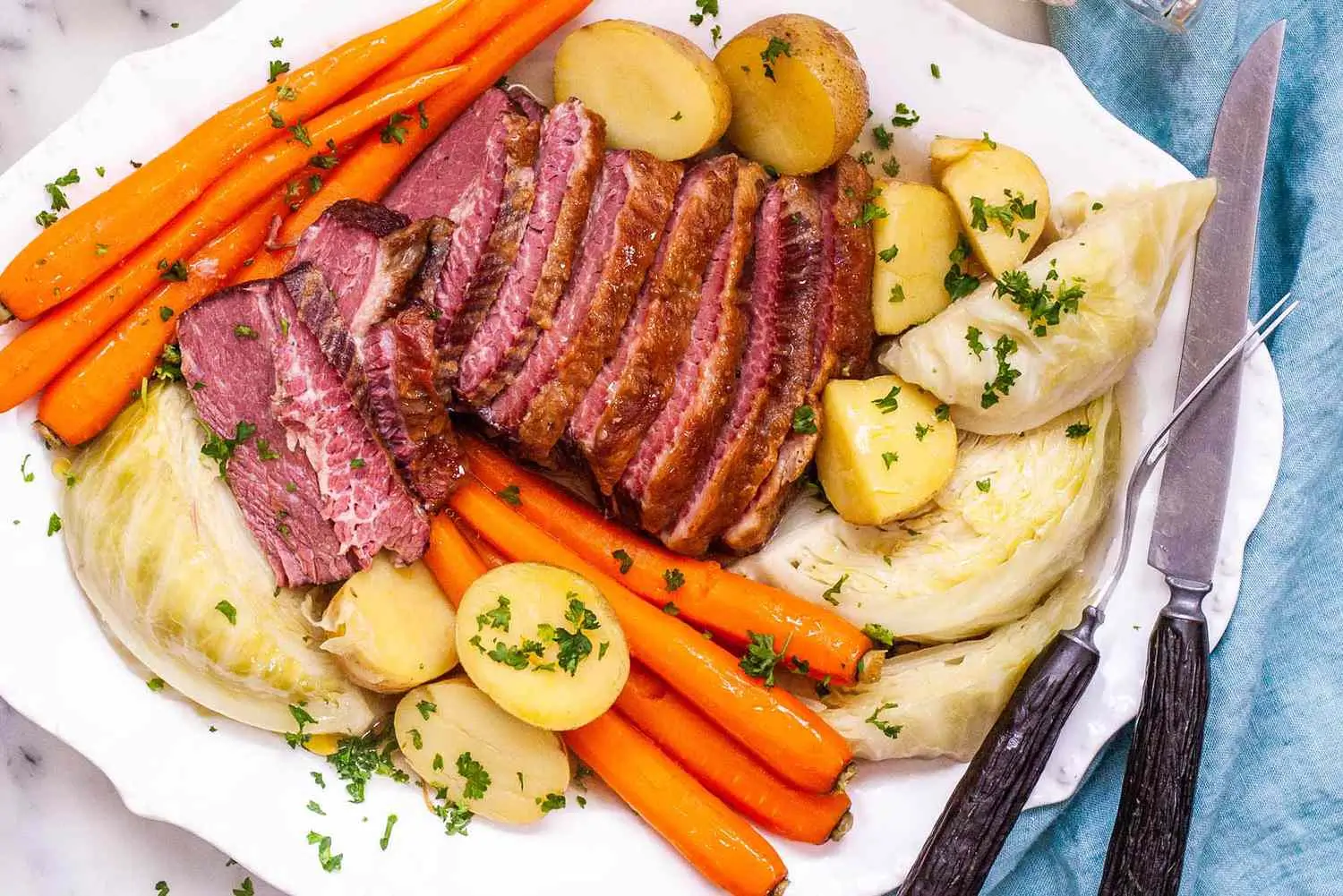
St. Patrick’s Day, a festive celebration synonymous with Irish culture, is often marked by parades, parties, and indulging in traditional Irish foods. Among these culinary traditions, perhaps none is as iconic as the pairing of corned beef and cabbage.
But why exactly are corned beef and cabbage considered quintessential St. Patrick’s Day foods? This article explores the history and heritage behind these beloved dishes, shedding light on their origins and significance in Irish and Irish-American culture, and how non toxic bakeware can help you recreate these classic meals.
The Origins of Corned Beef and Cabbage Tradition
The tradition of corned beef and cabbage traces back to the waves of Irish immigrants who settled in the United States during the 19th century. While corned beef and cabbage are now celebrated as a classic St. Patrick’s Day meal, the historical roots of this tradition reveal a fascinating adaptation born out of necessity and resourcefulness.
Why Corned Beef?
Contrary to popular belief, corned beef was not traditionally a staple in Irish cuisine. In fact, the Irish themselves were more inclined towards salted pork due to its affordability and availability.
However, upon arriving in the United States, Irish immigrants found that beef was more readily available and more economical. This was particularly true in urban areas, where Jewish butchers sold corned beef as a popular cut.
The term “corned” beef refers to the process of curing meat using large rock salt kernels, known as “corns” of salt. This preservation method extended the meat’s shelf life while imparting a distinctive flavor that became synonymous with corned beef.
The transition to corned beef was thus a practical response to the new culinary landscape Irish immigrants encountered upon their arrival in the United States. Over time, corned beef became a symbol of Irish-American identity, evoking nostalgia and a sense of connection to their roots.
Today, the association of corned beef with St. Patrick’s Day shows the adaptive nature of culinary traditions in a multicultural society, bridging cultural heritage with contemporary celebrations. This iconic pairing reflects the evolving culinary landscape where diverse influences blend to create cherished traditions that resonate across generations.
Where Did Cabbage Come In?
Accompanying the savory slices of corned beef on St. Patrick’s Day plates is the humble, versatile cabbage. In Irish cuisine, cabbage has long been a staple due to its hearty nature, abundance, and affordability. Boiled or braised, cabbage provided a nutritious and flavorful complement to the salted beef, creating a balanced and satisfying meal.
The affinity between cabbage and corned beef was not merely a matter of convenience but also a harmonious pairing of flavors and textures. The mild sweetness of cabbage, when cooked alongside savory corned beef, offers a delightful contrast that has stood the test of time.
When Did St. Patrick’s Day Foods Get Popular?
The association of corned beef and cabbage with St. Patrick’s Day has been shaped by modern influences that have propelled these dishes into the spotlight. The food industry has capitalized on St. Patrick’s Day’s festive spirit, promoting corned beef and cabbage as must-have menu items during the holiday season.
Social media platforms and food influencers have further amplified the popularity of these dishes, inspiring home cooks to recreate traditional recipes and add their own creative twists. As a result, corned beef and cabbage have become cherished symbols of St. Patrick’s Day celebrations, transcending cultural boundaries and appealing to a global audience.
Exploring Variations and Modern Twists
While the classic combination of corned beef and cabbage remains a beloved tradition, chefs and home cooks alike have been experimenting with innovative variations and modern twists on these iconic dishes. From incorporating different spices and herbs to introducing alternative cooking methods such as grilling or braising, there are many ways to reimagine these recipes.
Vegetarian and vegan adaptations have also emerged, offering plant-based alternatives that capture the essence of corned beef and cabbage in new and exciting ways. Whether you prefer a more traditional approach or are eager to explore bold flavor combinations, the realm of corned beef and cabbage is ripe for culinary exploration.
Sláinte!
The enduring popularity of corned beef and cabbage as St. Patrick’s Day foods can be attributed to a combination of history, tradition, and culinary evolution. From the practical adaptations of Irish immigrants to the creative interpretations of modern-day chefs, these dishes continue to captivate taste buds and evoke a sense of heritage and celebration.
As you gather around the table to enjoy a hearty serving of corned beef and cabbage this St. Patrick’s Day, take time to savor the flavors of these iconic dishes and the stories they tell of resilience, innovation, and cultural continuity. Through these culinary traditions, communities find a unifying force that brings people together in shared traditions and joyous festivities.