
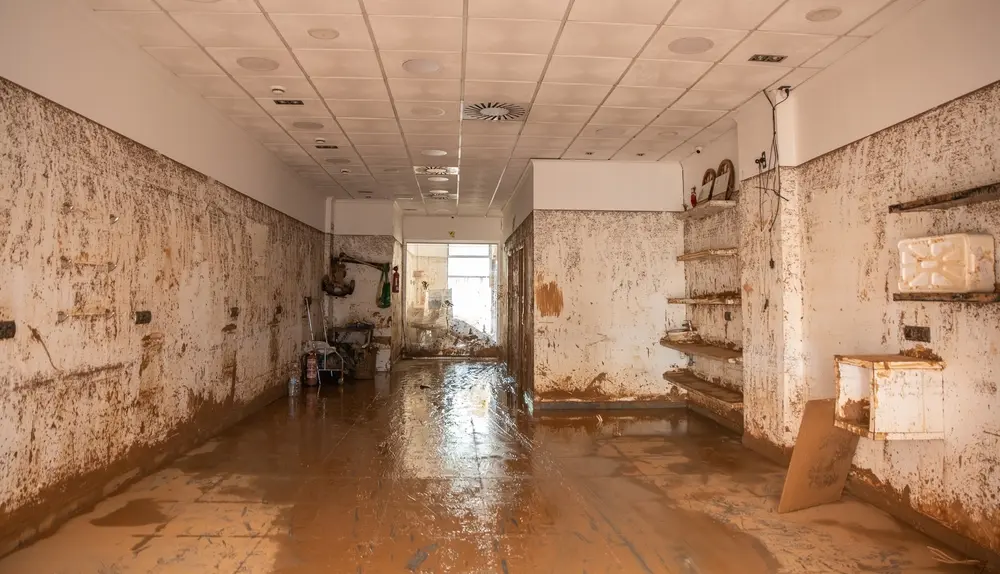
When disaster strikes a business, whether it’s flooding, fire, or another form of structural damage, the road to recovery can be long and stressful. Technology has increasingly become an indispensable tool in speeding up recovery, ensuring accuracy in reporting, and helping businesses return to normal operations. From assessment tools to communication platforms, modern solutions reduce downtime and financial losses while offering peace of mind in an otherwise chaotic situation.

Digital Tools for Initial Assessment and Documentation
The first step in recovery after commercial damage is documenting the scope of the destruction. Mobile apps and cloud-based platforms allow businesses to capture high-resolution photos and videos of affected areas, creating verifiable evidence for insurance claims and legal documentation. Drones have become a game-changer in assessment, particularly for inspecting roofs, large facilities, or hazardous environments without putting workers at risk.
Advanced imaging technologies such as thermal cameras can detect moisture, hidden leaks, or areas weakened by fire damage that aren’t visible to the naked eye. These assessments, when combined with digital record-keeping, provide businesses with a clearer picture of the situation and speed up claim approvals. Tools like these help decision-makers identify which areas need immediate attention and prioritize repairs effectively.
Smart Restoration Technologies and Flood-Specific Solutions
During flooding incidents, businesses benefit from specialized technologies designed to extract water, dry out structures, and prevent mold growth. For example, industrial-grade dehumidifiers and air movers, controlled by smart sensors, provide real-time data on humidity and temperature levels to ensure that drying is progressing as planned.
These tools reduce the risk of lingering water damage, which could otherwise escalate into structural issues or health hazards. Many companies rely on digital resources, such as a property flood cleanup guide, which details best practices and technologies tailored for water-related damage. From understanding the correct sequence of remediation steps to identifying appropriate cleaning agents, these guides help businesses streamline their response and reduce long-term risks. Combining such information with on-site technology ensures a more thorough and cost-effective recovery process.
Cloud-Based Project Management Systems
Once recovery efforts begin, coordination between multiple stakeholders, insurance adjusters, contractors, restoration specialists, and internal teams becomes critical. Cloud-based project management platforms offer a central hub where all involved parties can share updates, track progress, and upload documentation. This transparency reduces miscommunication and keeps projects on schedule.
These platforms often integrate with mobile apps, ensuring that updates made in the field are instantly accessible to all stakeholders. Notifications and alerts help managers stay aware of delays or issues, and built-in reporting tools make it easy to generate updates for executives or insurers. By digitizing project oversight, businesses can maintain efficiency even in the midst of chaos.
Communication and Collaboration Tools
Disasters can disrupt normal communication channels, but maintaining connectivity is crucial for smooth recovery. Businesses increasingly turn to collaboration tools like video conferencing platforms, cloud-based file sharing, and secure messaging services to stay connected when physical offices are inaccessible.
Many companies are adopting VoIP (Voice over Internet Protocol) solutions that allow employees to make and receive business calls from anywhere. This ensures that customer service, vendor communication, and internal collaboration remain uninterrupted, even if the main office is temporarily unusable. Effective communication minimizes confusion and reassures clients and partners that recovery efforts are underway.
Data Protection and Recovery Systems
For many businesses, digital assets are as valuable as physical ones. Data loss caused by disasters can be catastrophic, leading to interruptions in service, lost revenue, and reputational harm. That’s why cloud-based backup systems and disaster recovery-as-a-service (DRaaS) platforms have become crucial. These solutions automatically back up data to secure, off-site locations, making it possible to restore operations quickly after a disruption.
AI-driven monitoring systems further enhance data protection by identifying unusual activity or potential breaches during vulnerable recovery periods. By safeguarding digital infrastructure alongside physical repairs, businesses ensure that their operations remain resilient in every sense.
Future Trends in Commercial Damage Recovery Technology
Looking ahead, the role of technology in commercial damage recovery will only continue to expand. Artificial intelligence is already being used to predict potential risks based on weather patterns, infrastructure weaknesses, and industry-specific hazards. Predictive analytics will allow businesses to prepare in advance, reducing the severity of future disasters.
Robotics and automated equipment are expected to play a larger role, from clearing debris to conducting structural inspections. Virtual reality tools may be used to train recovery teams in simulated disaster environments, enhancing safety and efficiency before they even step on-site. These innovations will help businesses adapt to increasingly complex risks while minimizing downtime.

Technology has become a vital ally for businesses navigating the challenges of commercial damage recovery. From initial assessments with drones and thermal imaging to coordinated efforts managed through cloud platforms, every step of the process is becoming more precise and efficient.
By investing in these technological solutions, businesses accelerate their recovery and build resilience for the future. In an unpredictable world, technology ensures that recovery is not only possible but faster, smarter, and more effective than ever before.