
Underwriting is often seen as a behind-the-scenes role in the insurance world. It involves a mix of math, logic, and intuition to decide which risks are worth taking. Entering this field means committing to a path of constant learning and observation.
Every application tells a story about potential loss and gain. Success in the field comes from seeing the person behind the paperwork. Most new hires spend their first months watching how senior team members handle difficult files.

Building A Foundation In Financial Security
New professionals start by learning the basic rules of risk. They look at health data or property values to spot patterns. It helps them understand why certain factors lead to higher insurance costs.
The industry provides a window into the way people protect their assets. For example, Long-term careers in underwriting offer a unique view into how the world manages uncertainty. The perspective helps people grow from simple data entry to complex decision-making.
The job requires a steady hand and a sharp eye. Most daily tasks involve weighing the odds of a specific event happening. It is a role that rewards patience and a love for details.
The Path Of Specialist Training
Moving from a general role to a specialized one takes time and dedication. Professionals often spend several years mastering the nuances of a specific market. Focus helps them understand risks that others might miss.
Expertise is not built overnight in the industry. A career guide for insurance roles noted that initial training programs can last 2 years, followed by 3 more years of specialist training. A slow build allows for a deep understanding of niche risks.
The training period is where the real learning happens. It involves mentorship and constant feedback from managers. By the end of this time, an underwriter can handle complex files with ease.
Mastering The Art Of Intuitive Decisions
Risk assessment eventually becomes a second nature for those who stick with it. Experienced staff can often spot a red flag before they even finish reading a page. The speed comes from seeing thousands of similar cases over several years.
An industry article highlighted that 98% of thinking is intuitive, allowing experts to use past experiences for effortless decisions. The mental shortcut is what separates a novice from a veteran. It allows the expert to focus on the 2% of data that truly matters.
Critical thinking skills act as a safety net for quick judgments. Balancing speed with accuracy is a core part of the daily routine. The best in the business know when to trust their gut and when to check the math.
Integrating Technology And Data Sources
Modern risk management relies on more than just medical records or property inspections. Today, professionals have access to a massive amount of external information. Data helps them refine their predictions for the future.
New software makes it easier to gather facts quickly. One report on risk management trends noted that tools now analyze litigation trends, market changes, and even weather events. Data points help create a more complete picture of potential threats.
Technology does not replace the human element of the job. Instead, it provides better evidence for the final choice. An underwriter uses tools to back up their professional judgment.
Developing Analytical Precision
Being precise is a requirement when millions of dollars are on the line. Small details in a claim history can change the entire price of a policy. Professionals must be meticulous in their research.
Several steps are taken to verify a risk profile. Here are a few ways experts refine their process:
- Reviewing historical claims data for trends.
- Monitoring market shifts that affect property values.
- Checking local safety records for specific regions.
Each of the steps contributes to a solid final assessment. The goal is to protect the company while serving the client fairly. A single missed detail can lead to a very expensive mistake.
Communication Skills In Risk Roles
Risk experts must explain their choices to agents and customers. It is not enough to just say “no” to an application. They must provide clear reasons based on the data they have gathered.
Clear communication helps build trust between the insurance provider and the public. It shows that decisions are made based on facts rather than random guesses. Transparency is a key part of the insurance business model.
A good professional can turn a complex data set into a simple explanation. The skill is developed over many years of talking to clients. It keeps the entire financial system running smoothly, even when the news is not what the client wants to hear.
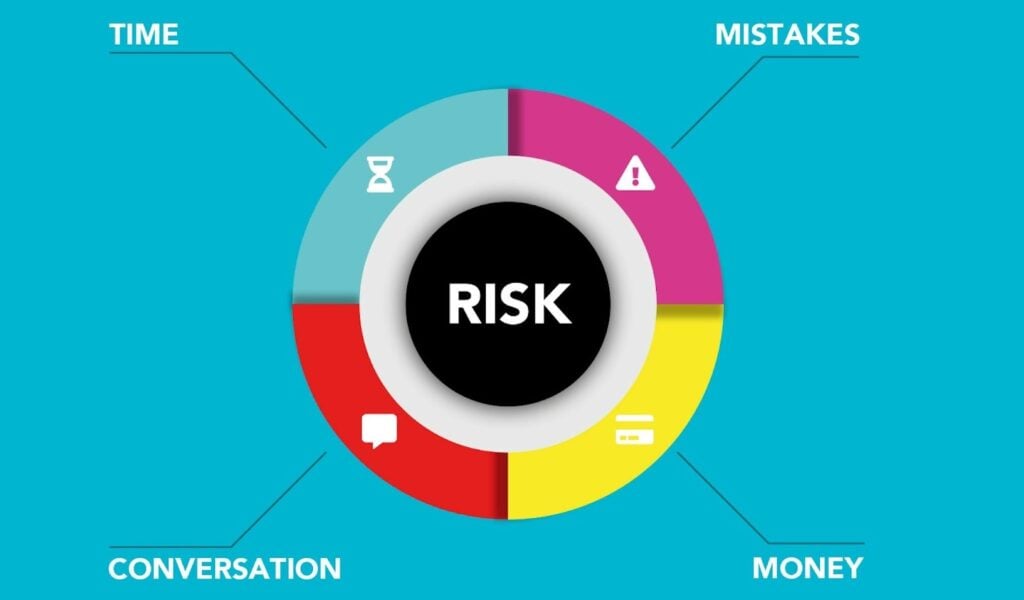
The journey toward becoming an expert in risk assessment is rewarding and challenging. It offers a front-row seat to the ways people protect what matters most. The skills learned here can be applied to many other parts of the financial world.
Those who enjoy solving puzzles will find a great home in this field. It is a career that values logic and human insight. There is always something new to learn as the world changes.