BYD's Yangwang U9 Xtreme Just Became the First Production Car to Break 500 km/h
On a closed desert highway in Abu Dhabi, BYD's all-electric Yangwang U9 Xtreme hit 503.17 km/h, the first production car past 500 km/h, despite a sister car being wrecked in a test crash in China.

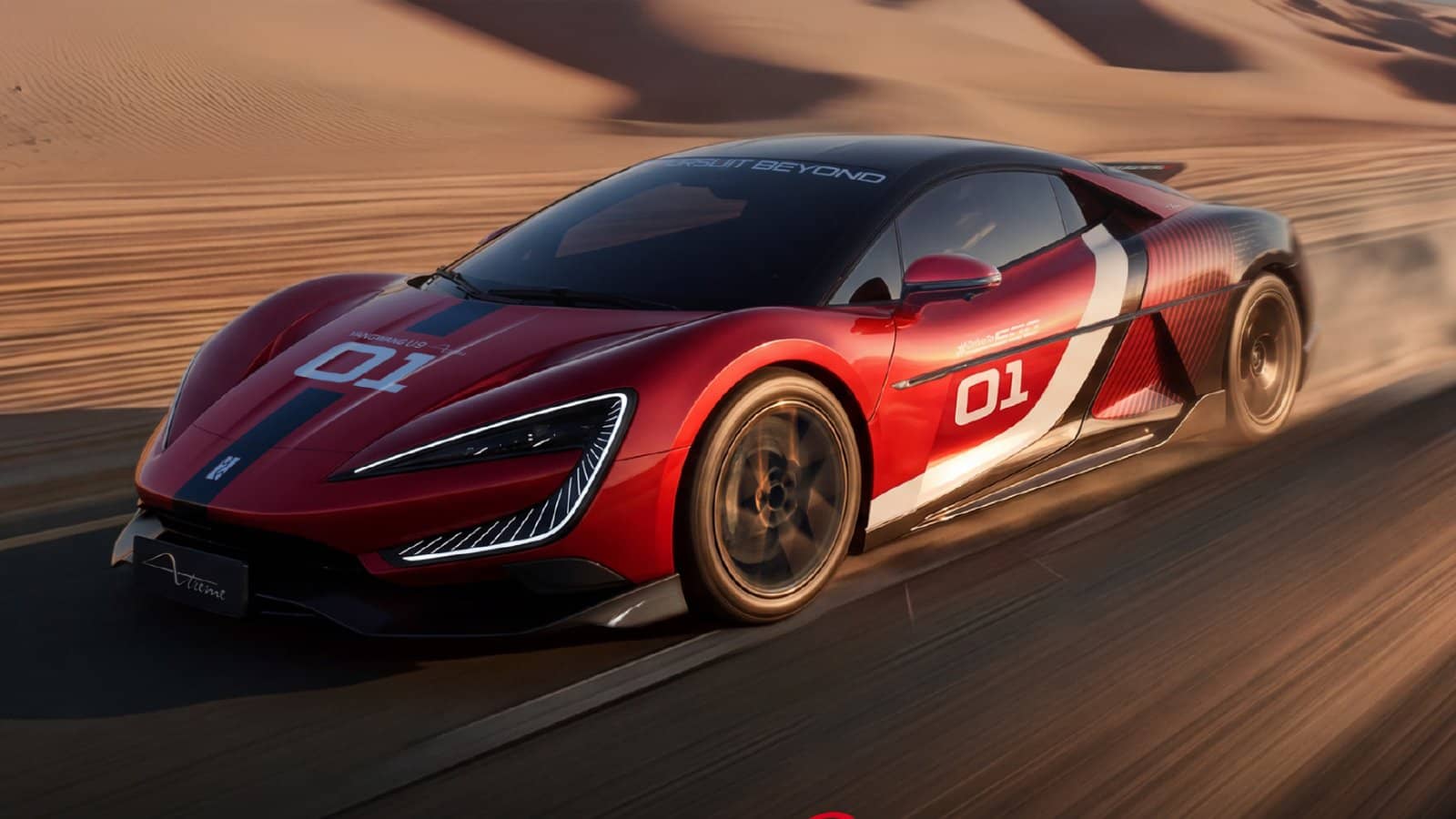
For decades, 500 km/h was the number every hypercar maker talked about and nobody reached. Bugatti got close. Koenigsegg said its Jesko Absolut could theoretically do it but never tried. On 1 November 2026, a Chinese electric car finally did.
BYD's Yangwang U9 Xtreme hit 503.17 km/h (312.66 mph) on a closed stretch of highway in Abu Dhabi, becoming the first production car ever to go faster than 500 km/h. BYD announced the result on 6 November. Both the FIA and Guinness World Records recognised it.
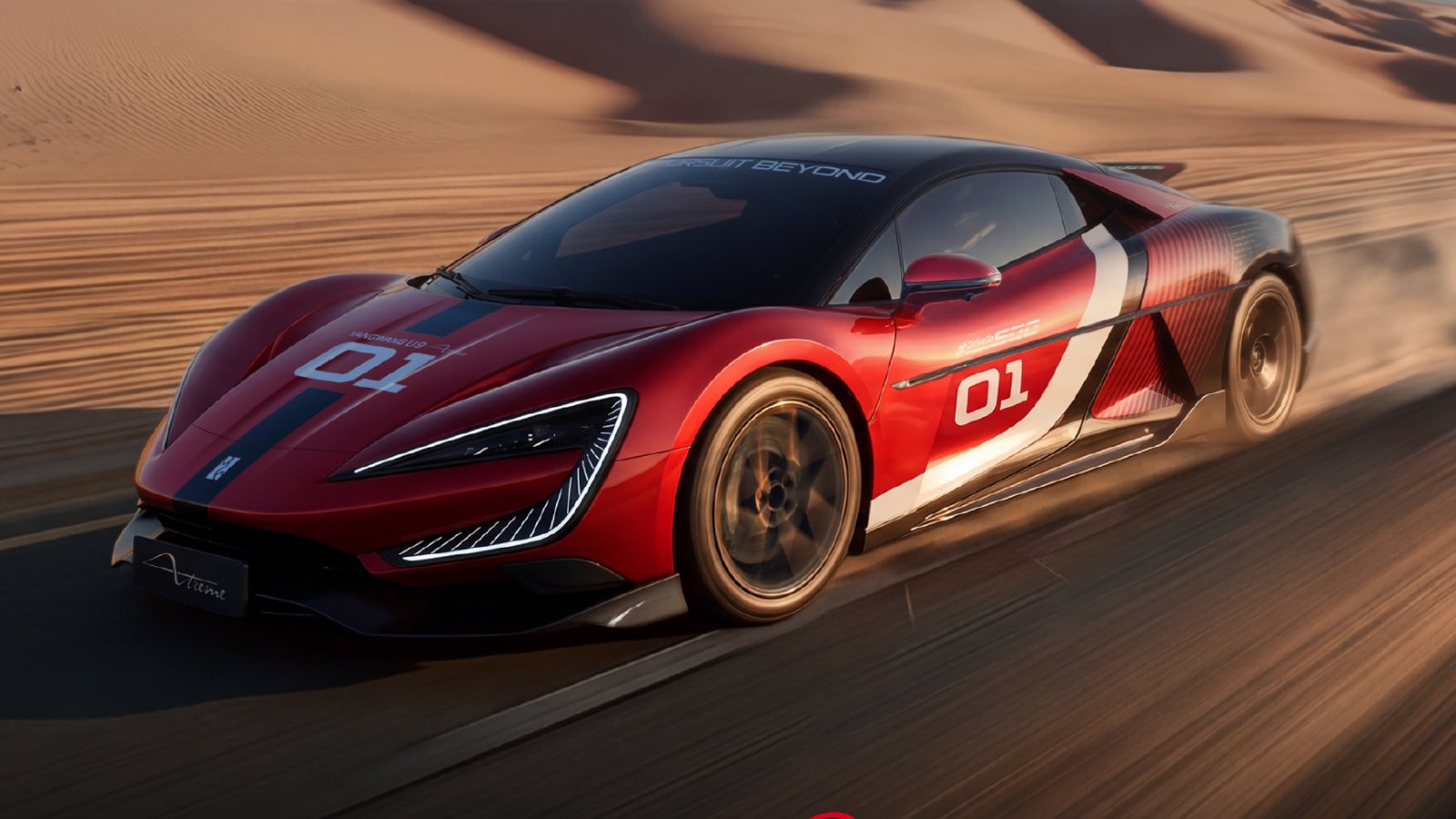
The U9 Xtreme during its top-speed run on Abu Dhabi's E11. Photo: Yangwang / BYD
503.17 km/h
Top speed
312.66 mph, single direction
+6.95 km/h
Over its own 2025 record
2,220 kW
Combined power
Over 3,000 PS from four motors
1,200 V
Electrical architecture
30
Cars being built
$3M
Approx. price each
Source: BYD / Yangwang, FIA, Electrek, CnEVPost
Where and how it happened
The run took place on the Sheikh Khalifa Bin Zayed International Road (E11) in Abu Dhabi's Al Dhafra Region. Around 10 km of desert highway was closed and swept clean, giving the team a roughly 7 km straight to build speed.
Behind the wheel was Marc Basseng, the German racing driver who also set the car's previous record. It took two days. On the first day Basseng reached 490 km/h. Overnight, engineers adjusted the rear wing, the damping and the tyre pressures. On the second attempt, on 1 November, the car went through 500 and stopped the clock at 503.17 km/h.
That this happened on a public road matters. A proving ground like Germany's ATP Papenburg is built for this. A real highway has seams, camber and imperfections, and the car had to stay stable over all of it at nearly 140 metres per second.
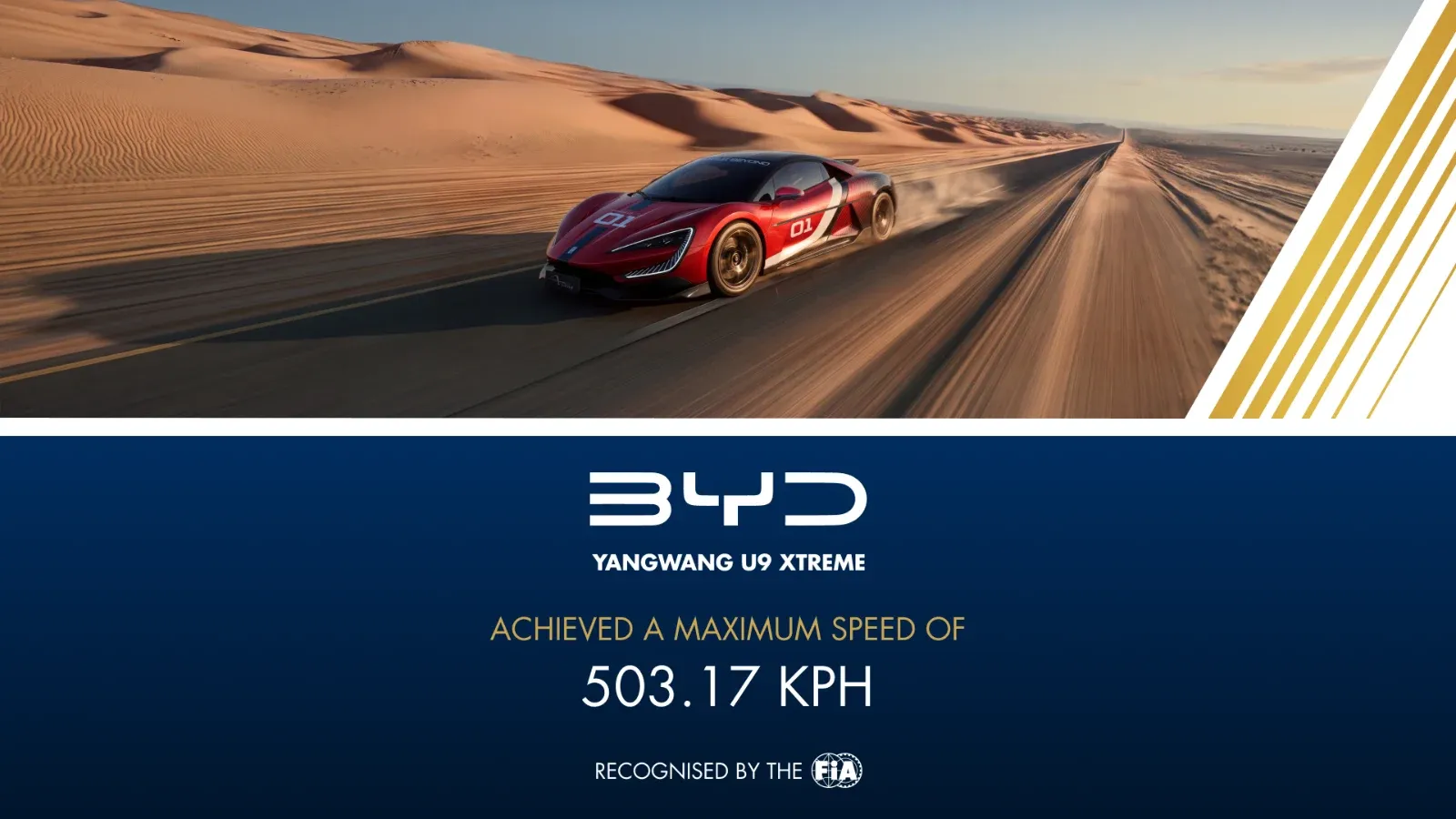
The FIA recognised the 503.17 km/h run. Image: BYD
The crash that nearly overshadowed it
Before the Abu Dhabi attempt, during a preparation test in China, a U9 Xtreme went off its line during a run aimed at 420–450 km/h. It struck the left guardrail, spun across the road and hit the right guardrail. The rear axle was torn off and most of the car was destroyed. BYD hasn't officially said how fast it was going at impact.
The driver walked away unhurt. The carbon-fibre passenger cell stayed intact, and reports say the battery pack wasn't punctured and there was no fire. When BYD published the footage on 3 November, several outlets assumed the 500 km/h attempt would be called off. Three days later, BYD revealed it had already done it.
What's under the skin
The U9 Xtreme is the track-focused version of the Yangwang U9, the flagship of BYD's ultra-premium sub-brand. The key parts:
- Four electric motors, each making 555 kW and spinning to 30,000 rpm, combining for 2,220 kW (over 3,000 PS). That's BYD's e4 quad-motor independent drive system.
- A 1,200-volt platform, up from 800 V in the regular U9.
- A track-grade Blade Battery using LFP (lithium iron phosphate) cells, rated for 30C discharge.
- DiSus-X active body control and titanium-alloy carbon-ceramic brakes.
- Bespoke semi-slick tyres from Giti, built for speeds above 500 km/h.
The LFP detail is the surprise. LFP cells are usually the cheaper, safer, lower-performance chemistry found in everyday EVs. The long-held belief was that EVs couldn't hold very high speeds at all, because batteries and motors would overheat long before the car ran out of road. This car did it on LFP.
Only 30 will be built, at more than 20 million yuan (about $3 million) each. The production version was unveiled at the Beijing Auto Show in April 2026.
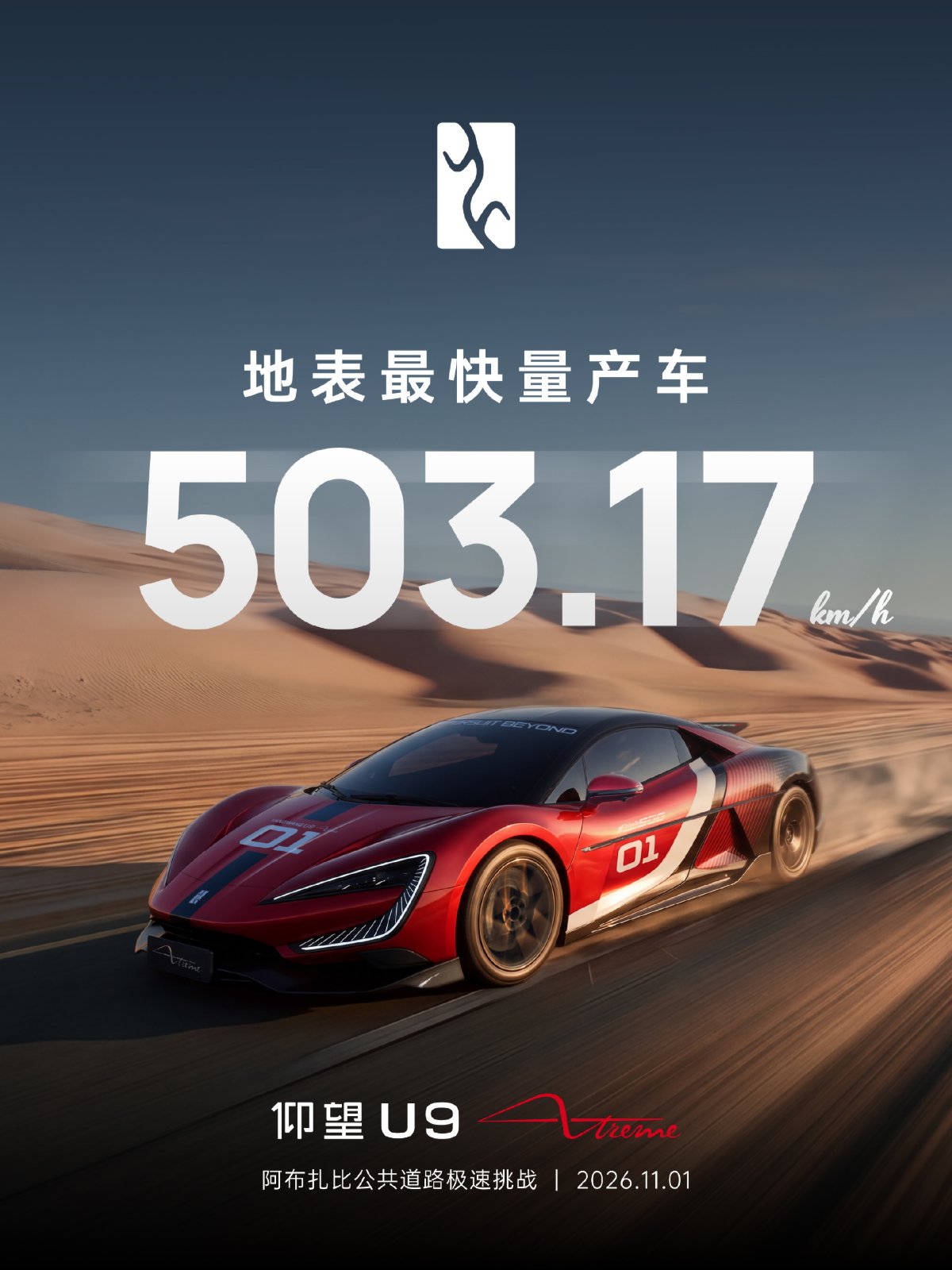
Yangwang's record poster. Photo: Yangwang / BYD
How it climbed to 503
Yangwang didn't jump to 500 in one go. It has pushed the U9's top speed up in steps for nearly three years.
January 2024
309 km/h
The original U9 in testing in China.
October 2024
391.94 km/h
At ATP Papenburg, Germany.
August 2025
472.41 km/h
A U9 engineering test car breaks the global EV top-speed record.
September 2025
496.22 km/h
The U9 Xtreme beats the Bugatti Chiron Super Sport 300+ to become the fastest production car. It also laps the Nürburgring Nordschleife in 6:59.157.
Before the Abu Dhabi run
Test crash in China
A U9 Xtreme is wrecked during preparation runs. The driver is unhurt.
1 November 2026
503.17 km/h
Marc Basseng breaks 500 km/h on Abu Dhabi's E11 highway.
6 November 2026
Record announced
BYD, the FIA and Guinness World Records make it official.
| Fastest production-car speed runs (km/h) | |
|---|---|
| Yangwang U9 Xtreme (2026) | 503km/h |
| Yangwang U9 Xtreme (2025) | 496km/h |
| Bugatti Chiron SS 300+ (2019) | 490km/h |
| SSC Tuatara (two-way avg.) | 455km/h |
| Koenigsegg Agera RS (2017, two-way avg.) | 447km/h |
| Rimac Nevera R | 431km/h |
Source: Electrek, Carwow, FIA
The asterisk: one direction vs two
Here is the honest catch. Production-car top-speed records have traditionally been the average of two runs in opposite directions, within an hour, to cancel out wind and slope. Koenigsegg's 447.19 km/h in 2017 was set that way.
The U9 Xtreme's 503.17 km/h was a single-direction run, and the Guinness titles say so: highest speed by a production car, and by an electric production car, in a single direction. By the two-way rule, the SSC Tuatara's 455.3 km/h average still stands.
Bugatti was criticised for exactly this in 2019, when the Chiron hit 490 km/h one way on a pre-production car. Bugatti itself said that wasn't an official record. The difference this time is that the FIA recognised the run.
The number of records is also disputed. The FIA's announcement lists two Guinness titles. BYD claims four, adding "fastest EV tyre" and "fastest road car tyre" for Giti.
Why it matters
Strip out the arguments and one fact remains. A Chinese carmaker best known for affordable EVs has built the fastest production car on Earth, on battery chemistry most of the industry treats as the budget option. It wrecked one car along the way and still broke the barrier.
The 500 km/h club now has one member, and it plugs in.
Sources: Electrek, CnEVPost, The EV Report, Autotrader NZ, CarNewsChina, Electrek on the crash.
The weekly question
From obsession to clarity — one original question every week.
We answer one noisy topic at a time, in full. No daily roundup, no thread bait — just the question, the principles, and the system.