
Boating activities start when a vessel anchors and do not finish until the vessel leaves the water. Yachts and cruisers deliver comfortable extended travel capabilities, yet their design limitations prevent use in shallow waters and busy marinas and areas that require direct access to shorelines. The presence of smaller support vessels fundamentally changes the way boaters navigate and discover new areas while they interact with their environment.
● Small craft is almost like an extension of mobility
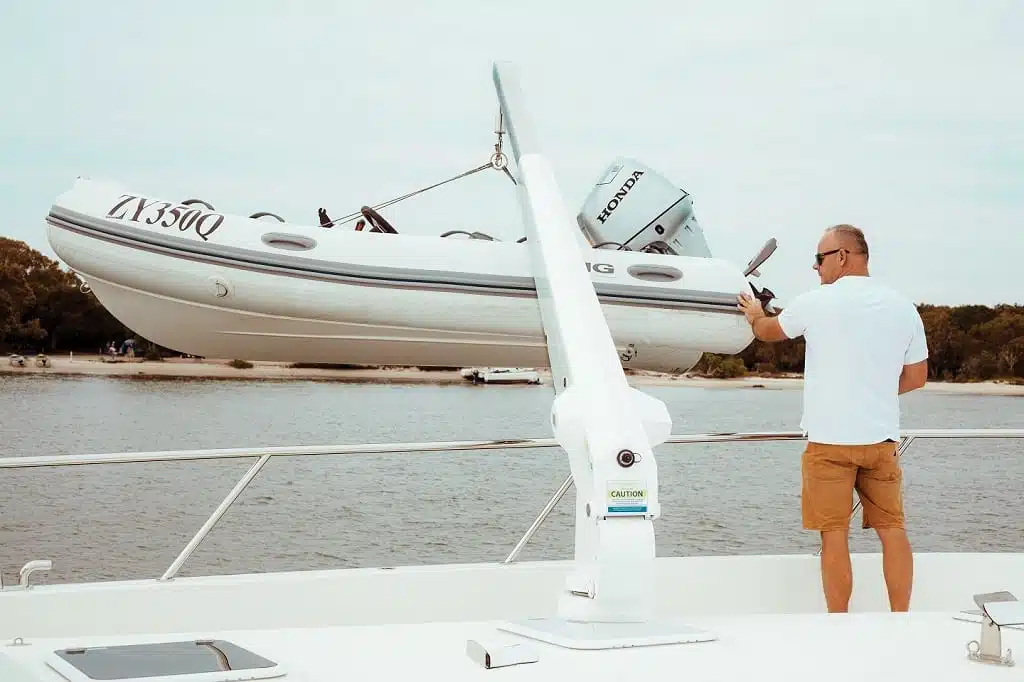
A boat tender functions as a bridge between an anchored vessel and its surroundings. The system enables passengers to travel between close locations while it safeguards the main vessel through its offshore position. The system enables users to reach shore locations and marina destinations and nearby areas without needing to leave their anchored position.
A tender provides controlled, low-draft movement, which enables access to beaches, docks, and coves that remain inaccessible without this capability. The solution proves especially useful in locations that experience varying water depths and have restricted access to shore facilities.
● Assisting in daily boating activities
Tenders serve multiple practical functions that extend beyond their basic function as transport tools. The system enables users to transport food supplies, fuel tanks, and equipment between land and the boat. A tender serves fishing and diving enthusiasts because it provides them with a fast and lightweight vessel to reach their desired locations.
A vessel’s tender system provides two benefits because it allows users to move more smoothly across water while they check their anchor points and help other ships at sea. The small movements that occur throughout the day bring major advantages to people who spend long periods anchored at their locations.
● Broadening exploration without the need for relocation
The primary advantage of a tender system is that it allows companies to continue conducting research activities without needing to shift their main operational vessel. Boaters can stay at their anchored position, which provides safety, while they visit nearby attractions that include both quiet shorelines and scenic waterways.
Boaters achieve a better experience because they can use their boats for different purposes, which transforms their nautical base into a complete operational center that extends beyond a single location.
● Improving emergency alertness and safety
Accessibility functions as a direct connection to safety requirements. The tender provides two advantages because it allows immediate emergency response through its quick and adaptable capabilities. The system enables users to reach assistance, move an injured individual, and examine potential dangers that exist in the vicinity of the stationary ship.
The presence of a dependable small boat enables us to maintain our operations when weather conditions suddenly change because it decreases our need to depend on outside support. The educational materials that furthercustoms.com provides, together with their operational instructions, demonstrate how tenders enhance onboard situational awareness and emergency response capabilities for their users.
Final words
The boat tenders have an important role to play in providing accessibility beyond the anchored vessels. Additionally, they bridge the gap between shoreline access and offshore security. That aside, they also improve safety arrangements and allow broader exploration. Simply by moving how and where the boaters can move, the boat tenders can change the anchored boating right from a limitation in scope.