
In 2016, two Vietnamese brothers walked the streets of Tokyo with a bold dream: to make bánh mì as common in Japan as sushi is in the West. Nearly a decade later, their brand, Bánh mì Xin Chào, has grown into a multimillion-dollar fast-casual empire with over 24 stores and counting. Backed by a high-stakes deal from Shark Tank Vietnam, this once-small startup is now one of the most recognizable Vietnamese food chains in Japan. Here’s how they did it.
The Humble Beginning: A Sandwich Stand Funded by Wedding Money
Founders Bùi Thanh Tâm and Bùi Thanh Duy didn’t have access to large amounts of capital or powerful industry connections when they started. Their entrepreneurial journey began with a very personal source of funding: savings from Tâm’s wedding, combined with small business loans and family support. That seed money allowed them to open their first Bánh mì Xin Chào shop in the bustling area of Shinjuku, Tokyo.
Living and studying in Japan for years gave the brothers a clear understanding of Japanese consumer behavior and food culture. They noticed a huge market gap. Authentic Vietnamese street food was hard to find, especially quality bánh mì made with the right balance of crispy bread, savory meats, pickled vegetables, and fresh herbs. With that realization, they decided to introduce a product that was both new and approachable to Japanese customers.
Their first store was a compact, no-frills space. The response was overwhelmingly positive. Expats from Vietnam found a taste of home, while Japanese locals were intrigued by the flavorful sandwich that was different from anything they had tried before.
Cracking the Japanese Market With Vietnamese Flavors
Japan’s food culture is deeply rooted in tradition, with high standards around cleanliness, consistency, and customer service. For any foreign food brand to thrive, it must navigate those expectations carefully. The brothers understood this and made several strategic adjustments to ensure success without losing authenticity.
Instead of sticking rigidly to traditional Vietnamese flavors, they took a flexible approach. For example, they softened the crust of the baguette to suit local preferences, reduced the intensity of pickled vegetables, and offered Japanese-style fillings like teriyaki chicken alongside classic options like grilled pork and pâté.
Presentation was also key. In Japan, even fast-casual meals are expected to look clean, well-arranged, and Instagram-worthy. The brothers designed minimalist, polished packaging and clean shop interiors, blending Vietnamese street vibes with Japanese precision. It was a cultural balancing act, and it paid off. Positive word of mouth, local food bloggers, and Vietnamese expat communities helped drive organic growth from the very beginning.
Scaling Up From One Shop to Over 24 Stores Across Japan
After proving their concept worked in Tokyo, the founders knew it was time to scale. Expansion wasn’t just about opening more shops; it was about doing so efficiently without compromising on flavor, service, or brand identity. They adopted a hybrid growth model, opening some shops under direct company control while offering franchise opportunities to local investors and food entrepreneurs.
By 2023, Bánh mì Xin Chào had grown to over 24 stores, strategically located in places with high foot traffic. They opened in convenience-friendly locations such as Don Quijote department stores, Aeon Malls, and busy JR train stations, where commuters and tourists alike were looking for quick, tasty meals.
To make this expansion sustainable, they built a centralized kitchen that prepared key ingredients in bulk. Meats were marinated, vegetables pickled, and sauces crafted at this central facility. These items were then frozen and distributed to stores across the country, allowing every location to maintain uniform taste and quality.
This frozen supply chain reduced the need for high-skilled kitchen labor at each store, simplified inventory, and helped manage operational costs. It also made it possible to open new locations faster and more predictably.
Shark Tank Vietnam Deal: $500K and a 2-Year Ultimatum
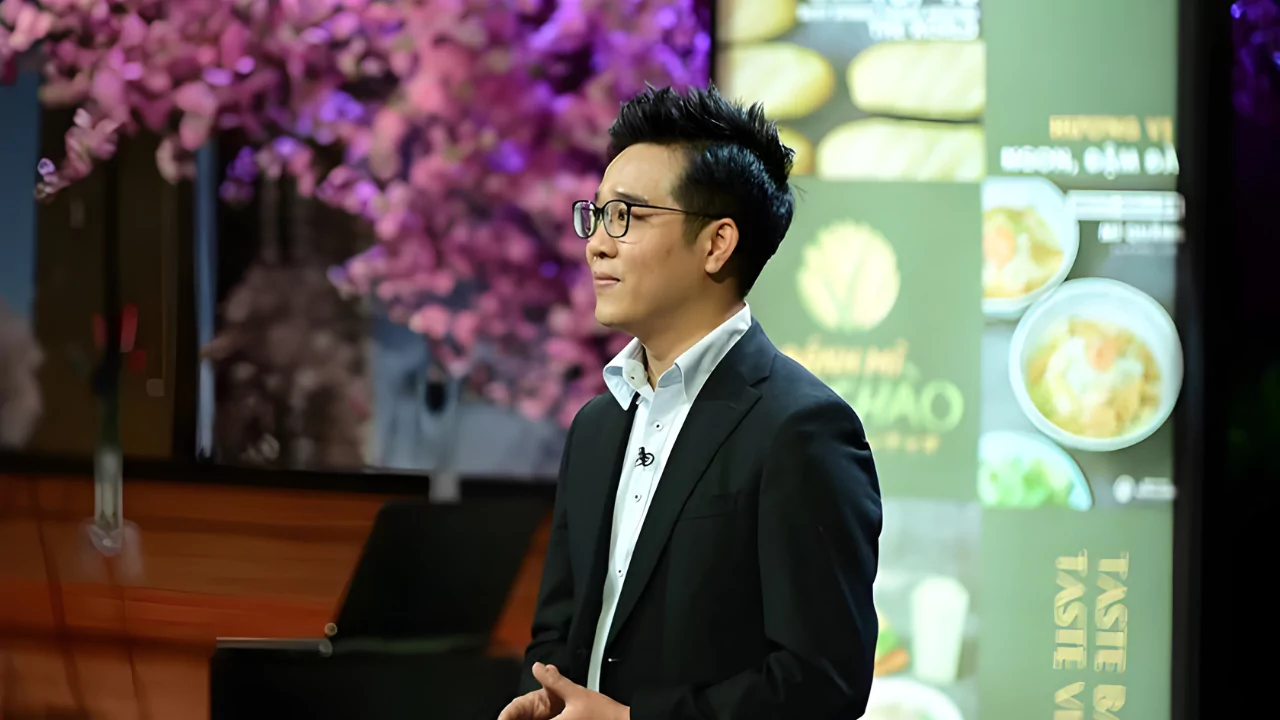
In 2023, the brothers appeared on Shark Tank Vietnam Season 6 in a bold move to secure funding and accelerate expansion. They pitched their story, growth, and vision to a panel of investors, explaining how they had successfully introduced a Vietnamese staple into a highly competitive Japanese market.
Their pitch was compelling. They weren’t just selling sandwiches; they were selling culture, scale, and operational discipline. Shark Nguyễn Hòa Bình, a well-known tech entrepreneur and venture capitalist in Vietnam, saw the potential immediately.
After a brief negotiation, Shark Bình agreed to invest $500,000 for 15 percent equity, but with a critical clause. If the company failed to reach 50 stores within two years, the Shark would retain his full investment, but his equity stake would decrease from 15 percent to 13 percent. The clause introduced significant pressure, but it also publicly raised the bar and positioned the brand as one to watch in both Vietnam and Japan.
The Shark Tank episode brought not just money but national media attention. It boosted franchise interest and validated the brand’s business model to future investors and partners.
Revenue, Profit, and Net Worth: By the Numbers
While Bánh mì Xin Chào has earned plenty of praise for its product and branding, it’s the numbers that confirm their success. As of 2022, the company was generating an estimated $1.45 million in revenue annually, with a net profit margin of roughly 11 percent. This is a strong figure for a fast-casual food brand in Japan.
Following the Shark Tank deal and their aggressive expansion plan, their revenue has continued to grow. By 2025, the brand is on track to surpass $6 million in annual revenue, thanks to an increase in both direct sales and franchise licensing income.
Factoring in franchise assets, brand valuation, and investor interest, the estimated net worth of Bánh mì Xin Chào now sits around $3 million. This valuation includes their proprietary centralized supply system, frozen logistics network, and growing customer base across Japan.
Resilience During COVID-19: How They Survived and Pivoted
The COVID-19 pandemic hit Japan’s restaurant industry hard, especially in densely populated cities like Tokyo and Osaka. Restaurants faced mandatory closures, decreased foot traffic, and declining revenues. Many foreign food brands, especially niche ones, were forced to shut down.
Bánh mì Xin Chào, however, proved remarkably resilient. They acted quickly to shift operations toward takeout and delivery, recognizing that consumer behavior had changed almost overnight. They partnered with Uber Eats Japan, as well as other local delivery apps, ensuring their food remained accessible during lockdowns.
They also introduced limited-time discount offers, combo meals, and family-style bánh mì packs to encourage larger orders. These tactics helped them increase order size and retain customer loyalty despite the challenging environment.
Their frozen ingredient model turned out to be a hidden advantage during the pandemic. Unlike restaurants reliant on daily fresh deliveries, Bánh mì Xin Chào was able to keep stores stocked with consistent inventory, ensuring smoother operations while competitors struggled with supply issues.
Menu Expansion: More Than Just Bánh mì
As the business matured, the founders realized that growing a long-term brand meant offering more than just one iconic dish. They began expanding their menu carefully, choosing dishes that had strong appeal but could be adapted for operational efficiency.
They introduced phở, Vietnam’s famous beef noodle soup, which quickly became a top-seller in colder months. They also added bún thịt nướng, a grilled pork and vermicelli noodle dish, as a lighter alternative during summer.
Vietnamese egg rolls and spring rolls were included as side items, giving customers more variety and increasing the average order size. Their Vietnamese iced coffee (cà phê sữa đá) became a surprise hit among Japanese youth and office workers who enjoyed its bold, sweet flavor and strong caffeine kick.
This menu diversification helped expand their appeal beyond bánh mì lovers to customers looking for a broader Vietnamese dining experience. It also positioned them more competitively against other Asian fast-casual chains operating in Japan.
Challenges Ahead: Will They Reach 50 Stores by 2025?
Although the company has achieved a lot, the most ambitious part of their journey is still ahead. The Shark Tank deal includes a serious benchmark. They must reach 50 stores within two years of investment or face reduced equity valuation.
To meet this goal, the team must nearly double their store count in just 24 months. That means opening more than one new store every single month, a difficult but not impossible task. They’re currently scouting new locations across Japan and enhancing their franchise onboarding process to bring in qualified partners quickly.
But expansion brings challenges. Ensuring consistent quality and customer service at scale is difficult, especially with new franchisees. Training, supply chain reliability, and real estate costs must all be tightly managed to avoid diluting the brand.
Additionally, Japan’s labor market remains tight, making it harder to recruit and retain skilled staff for food operations. The economic outlook is also cautious, and consumer spending remains unpredictable post-pandemic.
Still, the founders remain confident. Their momentum, strategic planning, and operational infrastructure are better than ever. Public attention from Shark Tank has attracted partners willing to help meet the goal.
What’s Next for Bánh mì Xin Chào?
Looking to the future, Bánh mì Xin Chào is planning to take several bold steps.
They’re working on launching a digital ordering and loyalty app, allowing customers to pre-order and earn rewards points across locations. This would create a more connected customer experience and drive repeat business.
They’re also exploring expansion outside Japan, starting with South Korea and Singapore, where there’s growing interest in Vietnamese cuisine. Early feasibility studies and pop-up collaborations are already in the works.
On the product side, they plan to develop a line of frozen Vietnamese meals for supermarkets and convenience stores. These ready-to-eat products could significantly boost revenue and brand presence across Japan.
Lastly, the brand is considering fusion menu items such as Japanese curry bánh mì or matcha-infused desserts, designed to appeal to younger, trend-driven Japanese consumers.
Final Thoughts: A Taste of Vietnam That’s Conquering Japan
From a tiny bánh mì stand launched with wedding money to a $3 million Vietnamese food empire spanning Japan, Bánh mì Xin Chào is more than a business success story. It’s proof that cultural cuisine, when thoughtfully introduced and strategically scaled, can thrive in any market.
By blending tradition with innovation, and homegrown flavors with business smarts, the Bùi brothers have brought a slice of Vietnam to Japan’s culinary landscape. Whether or not they reach their 50-store milestone, they’ve already changed the way Japanese consumers see Vietnamese food. That’s a legacy in itself.
TL;DR (Too Long; Didn’t Read)
Bánh mì Xin Chào, a Vietnamese fast-casual brand founded by two brothers, grew from a single Tokyo shop to a $3M empire with 24+ stores across Japan. With a smart frozen supply chain, a Shark Tank Vietnam deal, and plans for 50 stores by 2025, they’re rewriting the rules of Asian food franchising abroad.
FAQs
What is Bánh mì Xin Chào?
Bánh mì Xin Chào is a Vietnamese fast-casual food chain founded by brothers Bùi Thanh Tâm and Bùi Thanh Duy. It started in Tokyo in 2016 and has grown to over 24 locations across Japan.
Is Bánh mì Xin Chào still expanding?
Yes, as of 2025, the brand is actively expanding, aiming to reach 50 stores after securing a $500,000 investment on Shark Tank Vietnam.
Did Bánh mì Xin Chào get a deal on Shark Tank Vietnam?
Yes, they secured a $500,000 investment from Shark Bình for 15% equity, with a performance condition tied to reaching 50 stores in two years.
How much is Bánh mì Xin Chào worth in 2025?
The estimated net worth of Bánh mì Xin Chào in 2025 is around $3 million, based on franchise growth and investment valuation.
Where are Bánh mì Xin Chào stores located?
The majority of Bánh mì Xin Chào’s 24+ locations are in major Japanese cities, including Tokyo and Osaka, operated through a mix of direct stores and franchises.
What food does Bánh mì Xin Chào serve?
While bánh mì is their signature offering, the brand has expanded its menu to include phở, bún, Vietnamese coffee, and other traditional street foods.
How does Bánh mì Xin Chào maintain food quality across stores?
They use a centralized kitchen system and frozen supply chain model, ensuring consistent quality and streamlined operations across all franchise locations.