
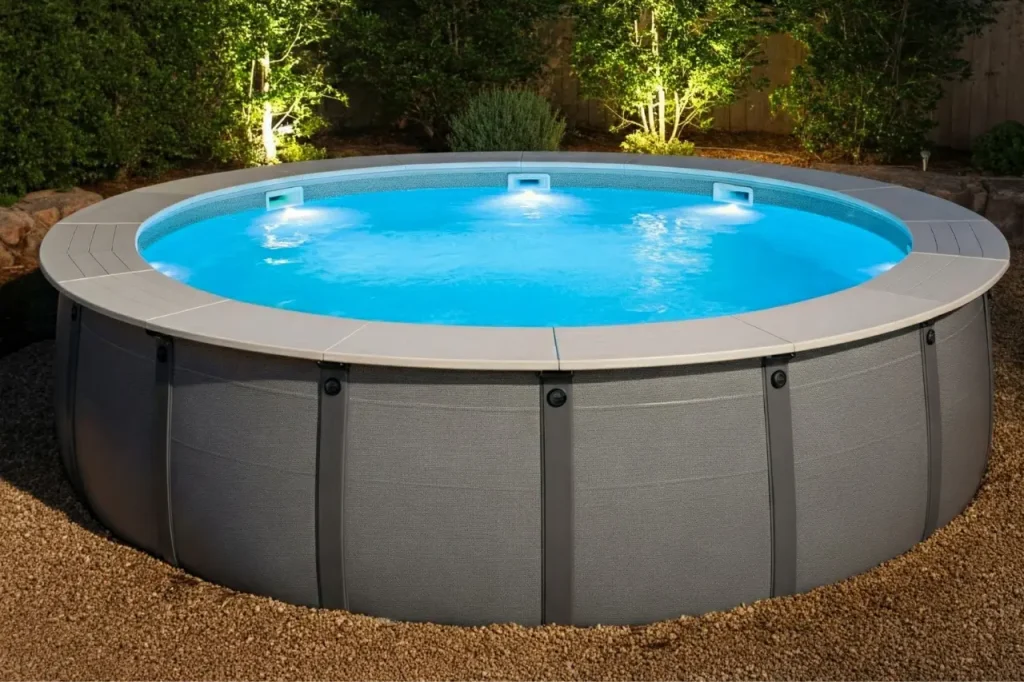
Many look for an easy and affordable way to enjoy warm weather at home. Above-ground options offer flexibility, simple setup, and a range of sizes suited to different yards. Still, small errors in the buying stage can affect long-term satisfaction. Let’s explore the most common mistakes to avoid.
Space Requirements That Matter
One issue many buyers face is misjudging how much room is required for above ground swimming pools. Extra space for ladders, pumps, and safe movement around the pool is essential for comfort. A tight fit can restrict access and make the pool harder to maintain. Taking careful measurements helps with better planning.
The yard slope also plays a major role. A slight tilt places uneven pressure on the frame and reduces the life of the pool. Level ground supports steady weight across the full surface. This limits the risk of structural shifts or damage.
Material Quality to Consider
Some shoppers focus too heavily on price and miss key details about build quality. Frame type influences strength. Steel, resin, and hybrid options each offer specific advantages. Selecting the right type aids in stronger long-term use.
Liner thickness is another point worth attention. Thin liners wear faster under strong sun and regular movement. A thicker option holds firm, resists tears, and supports stable water depth. This small choice can reduce the chance of future repairs.
Key Material Factors
- Match the frame to the local climate
- Choose a liner thickness suited to frequent use
- Review warranty details
- Check the level of rust and heat resistance
Filtration Needs to be Reviewed
Many basic kits include pumps that fail to meet the demands of daily use. A strong filtration system helps maintain cleaner water and reduces the work needed to keep it balanced. This supports a more pleasant swimming experience.
Pump power must match the water volume of the pool. A weak pump struggles to move water, which leads to cloudy conditions. Owners often end up overusing chemicals to balance issues caused by low circulation. A pump that suits the pool size ensures better performance.
Safety Factors to Assess
Safety is too often treated as a last-minute thought. Secure ladders, reliable steps, and proper barriers support safe access. Some buyers overlook local fencing requirements that apply to many pools. This can create problems that are avoidable with early planning.
Placement also affects safety. Pools placed too close to trees gather more debris and allow too much shade, which affects water quality. Positioning near sheds or power lines reduces clear access points around the edge. A clean, open area around the pool supports easier day-to-day use.
Pool Size That Fits Your Needs
A common mistake is choosing a size that fails to match how the pool will be used. A small pool restricts movement and reduces enjoyment, while a pool that is too large raises upkeep and water use. Finding the right balance aids long-term satisfaction. Many families benefit from thinking ahead about who will use the pool most.
Shape plays a role in comfort as well. Round pools work well for relaxed use, while oval shapes suit households that prefer more room to move. Depth also matters for mixed age groups. A size that aligns with real routines supports better value across many seasons.
Many explore above ground swimming pools each year, yet a few careful steps can prevent common mistakes. Planning the space, reviewing materials, and checking safety needs all aid in achieving better results. Filtration and sizing choices also help ensure a smooth experience. With the right approach, an above-ground pool may help improve comfort, fun, and long-term value at home.