Why AI-Powered Theme Parks Could Replace Traditional Attractions Within a Decade
AI-powered theme parks could transform entertainment by creating personalized rides, smarter safety systems, and adaptive guest experiences.
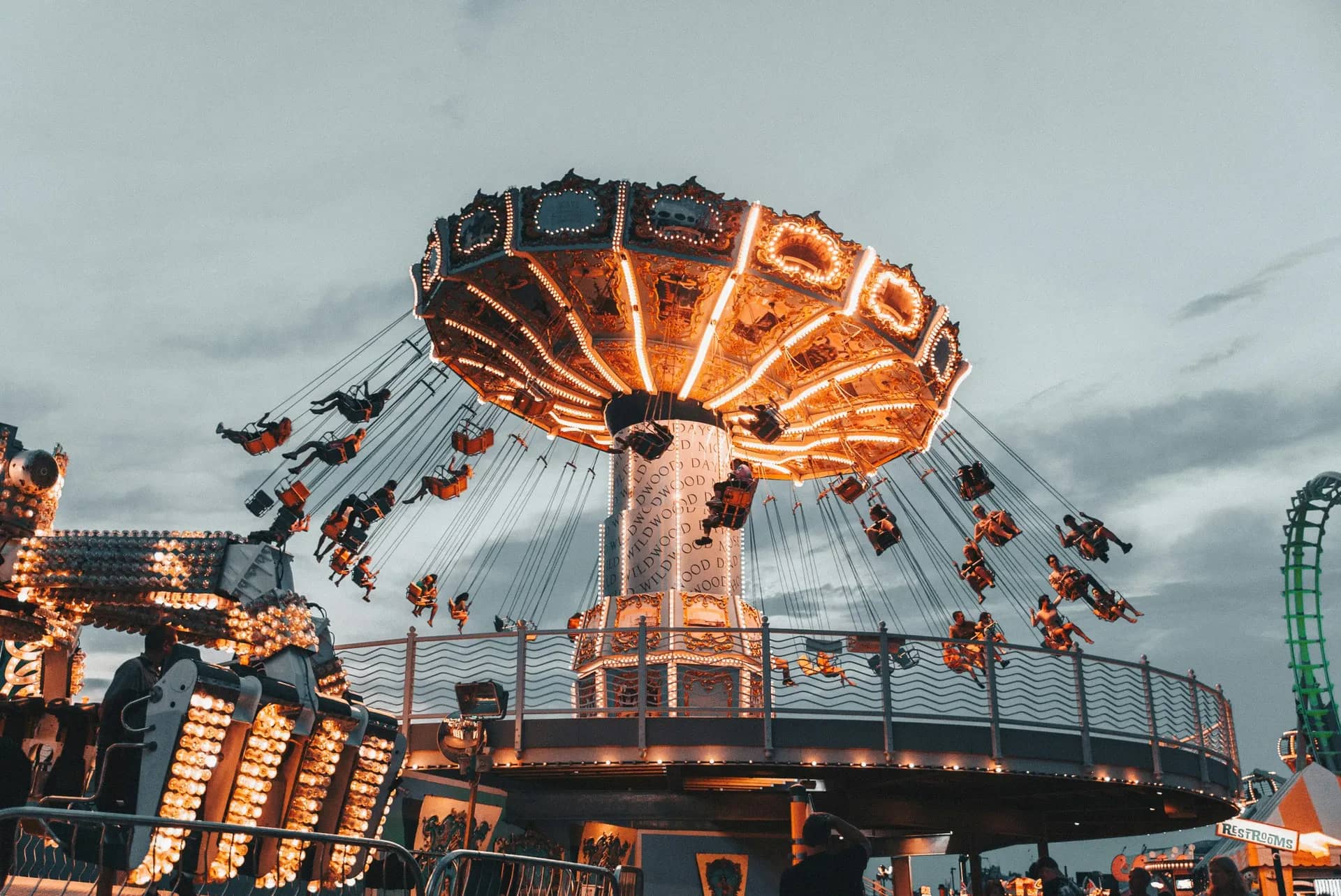
Theme parks have always been about escapism. They are places where people leave their everyday lives behind. For decades, that escapism was delivered through steel, mechanics, and spectacle.
A towering roller coaster or an elaborately themed land was enough to draw millions of visitors each year. But technology is beginning to rewrite the rules of what a great park experience looks like.
The world's most celebrated parks have long competed on the strength of their physical attractions. Theme parks like Universal Studios, Disney World, and Europa-Park consistently rank as top global destinations. There are many more, such as Tokyo DisneySea, Epcot, Tivoli Gardens, Efteling, and more.
They have set the standard for immersive storytelling and unforgettable thrills. Yet even the best of them face an uncomfortable truth. Physical attractions are expensive to build, slow to evolve, and impossible to personalize at scale. AI changes this equation entirely.
The Problem With Traditional Attractions
A traditional ride offers the same experience to every single guest. The teenager on their first visit gets the same track layout as the parent on their tenth. The story does not shift. The environment does not adapt. Once the novelty fades, there is little reason for a guest to return and expect something new.
Parks have tried to solve this with seasonal events, new IP tie-ins, and limited-time overlays. These solutions help, but they fundamentally patch an old system rather than replace it.
The real limitation of traditional attractions is their rigidity. Once a physical ride is built, it costs tens of millions to meaningfully alter. AI-driven experiences, by contrast, can be updated, rewritten, and reprogrammed. They can respond to data, to guest behavior, and even to real-time conditions inside the park.
Personalization at the Heart of the Revolution
The shift toward AI is already happening, and personalization is driving it. Park operators are learning that guests do not just want thrills; they want experiences that feel made for them.
Gen Z and Gen Alpha now make up more than 30% of theme park customers. They are consistently prioritizing personalized experiences over material goods. This demographic shift is forcing parks to reconsider what "value" means to their audiences.
AI enables parks to meet this demand in ways that were previously impossible. Smart systems can track guest preferences, predict behavior, and deliver tailored content in real time. Imagine a dark ride where the storyline shifts based on choices you made during a pre-visit app experience. Imagine a character who remembers your name, your last visit, and your favorite part of the park.
According to IAAPA CEO Jacob Wahl, "AI will likely redefine guest experiences through hyper-personalization, predictive technology, and interactive storytelling. Attractions could feature AI-driven characters that remember past interactions, evolving relationships with returning guests."
That vision is not distant. It is already taking shape in parks around the world.
How could AI personalization affect repeat visitor rates?
AI-powered personalization may encourage guests to return more often because attractions can generate different experiences during each visit. Personalized storylines, adaptive characters, and changing environments create unpredictability that traditional rides usually cannot provide. This constant variation may increase long-term customer engagement and improve visitor loyalty.
AI Could Improve Safety Inside Future Theme Parks
Safety may become one of the biggest strengths of AI-powered theme parks. Theme parks and funfairs experience multiple accidents every year. As a result, the visitors sustain injuries, and both have to deal with legal troubles. The BBC, for instance, wrote about one such incident, where surgeons had to remove two teeth of the victim.
Intelligent systems can monitor crowd movement, detect unusual activity, and identify potential ride issues before they become serious problems. And this can even be done in real time in multiple ways. While AI-enabled surveillance cameras are great options to begin with, using the technology with body cameras can be much more effective.
According to Vestige, body cameras can also be a protection for those who wear them, so they don’t face false allegations. Similarly, it can also record closer details of any accident before, during, and after it happened.
AI can also be integrated with body camera systems used by safety personnel across the park. Real-time footage from staff members could help AI platforms detect emergencies, locate missing visitors, and improve response times during security incidents.
Digital Twins and Operational Intelligence
One of the most powerful AI applications in the theme park world is not guest-facing at all. It lives in the operations side of the business.
Digital twin technology enables parks to leverage historical and real-time data to simulate behavior, monitor operations, and proactively manage crowds. Through these simulations, park management can respond to changing conditions without risk. They can model a new attraction layout, stress-test crowd flow during peak season, and identify bottlenecks. And they can do all of these before making a single physical change.
This kind of operational intelligence translates directly into guest satisfaction. Shorter queues, better-staffed areas, and faster response to ride breakdowns all contribute to a more enjoyable visit. AI does not just enhance the show; it makes the whole machine run more smoothly.
What is a digital twin in a theme park environment?
A digital twin is a virtual model of a real-world environment that updates continuously using live data. In theme parks, operators can use digital twins to monitor ride performance, crowd density, weather conditions, and maintenance schedules. This technology helps management teams test operational changes virtually before applying them in real environments.
Community-Level Adoption Points to a Bigger Shift
The enthusiasm for AI-driven experiential spaces is not limited to major corporate parks. In Cedar Rapids, Iowa, a nonprofit called the Big Bang Foundation is building an AI Micro Park. It features:
- A two-level AI Creator Lab
- Outdoor AI kiosks with access to tools like Gemini and ChatGPT
- An IoT-monitored community garden with an augmented reality learning trail
The park will be free to the public. This kind of grassroots, community-driven AI park signals that the concept resonates far beyond the boardrooms of major theme park operators.
When communities begin building their own AI-powered spaces, it reflects a broader cultural readiness for this kind of entertainment. The technology is becoming accessible, affordable, and intuitive enough for organizations without billion-dollar budgets to deploy it.
Could AI-powered parks influence nearby cities and businesses?
Large-scale AI infrastructure developed for theme parks may eventually influence surrounding communities. Nearby hotels, transportation systems, restaurants, and shopping centers could adopt similar technologies to improve customer experiences. This expansion may help create connected smart tourism districts built around data-driven services and automation.
Key Stats and Facts About AI-Powered Theme Parks
Guest demographics
Gen Z and Gen Alpha make up more than 30% of theme park customers
AI personalization
AI systems can modify storylines and guest interactions in real time
Digital twin technology
Virtual simulations can test park operations before physical changes are made
Community adoption
The AI Micro Park in Cedar Rapids includes AI labs and AR learning tools
Operational efficiency
AI can predict ride maintenance issues before breakdowns happen
AI-powered theme parks are no longer a distant science fiction concept. The technology needed to create adaptive attractions, intelligent characters, and immersive virtual environments already exists in early forms today. As artificial intelligence becomes more advanced, entertainment spaces will likely become smarter, more responsive, and deeply personalized.
Traditional amusement parks may struggle to compete with experiences that evolve in real time and respond uniquely to every visitor. Economic advantages, operational efficiency, and audience demand for immersive entertainment could accelerate this transition much faster than expected.
The weekly question
From obsession to clarity — one original question every week.
We answer one noisy topic at a time, in full. No daily roundup, no thread bait — just the question, the principles, and the system.