UK Capital Gains Tax Rates and Allowances Explained
UK capital gains tax applies when you sell or dispose of chargeable assets for a profit, making planning essential before transactions.
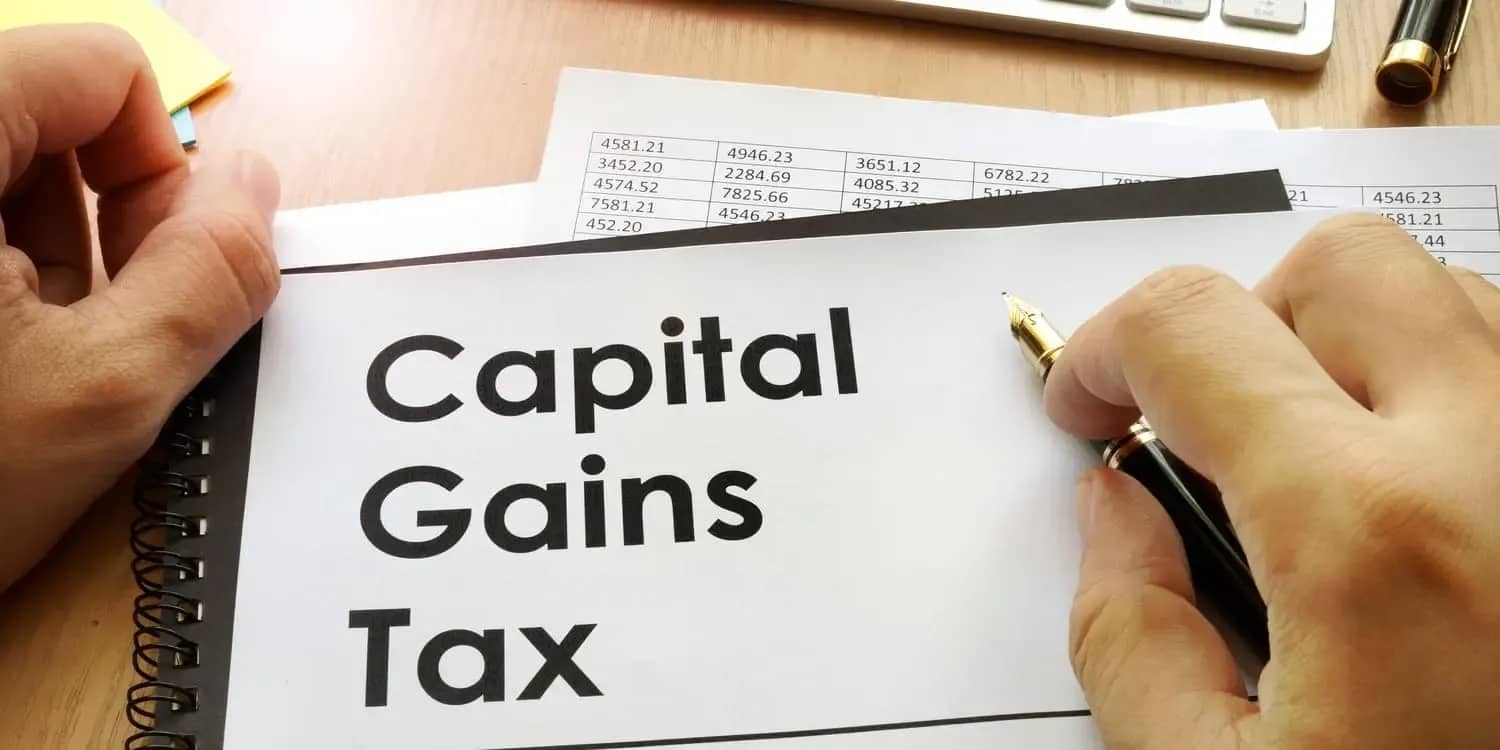
Selling an asset for more than you paid for it feels rewarding, until you realise a portion of that profit belongs to HMRC. UK capital gains tax catches a surprising number of people off guard, not because the rules are hidden, but because many taxpayers simply do not think about their tax position until after they have already completed a sale. By that point, their options for reducing the bill are limited.
Getting to grips with how UK capital gains tax is structured, which assets it covers, what rates apply, and how the annual allowance works, puts you in a far stronger position to make well-timed financial decisions. This article breaks it all down clearly.
What Is UK Capital Gains Tax?
UK capital gains tax is a charge on the profit you make when you dispose of an asset that has risen in value. The word "dispose" covers a wider range of transactions than most people expect. It includes selling an asset outright, gifting it to someone other than a spouse, swapping it for something else, or receiving compensation when an asset is lost or destroyed.
Crucially, the tax applies to the gain, the difference between what you paid for the asset (your "base cost") and what you received when you disposed of it, not the total amount of money you received. If you bought shares for £10,000 and sold them for £35,000, your taxable gain is £25,000, not £35,000.
Who Is Subject to UK Capital Gains Tax?
UK capital gains tax applies to individuals who are resident in the United Kingdom for tax purposes. It also applies to trustees and personal representatives managing estates. Non-UK residents are generally not liable on most UK assets, though they do face CGT on UK residential property regardless of where they live.
Companies do not pay capital gains tax, they pay corporation tax on their chargeable gains instead, which operates under a separate set of rules.
Which Assets Are Chargeable to UK Capital Gains Tax?
Not every asset you own falls within the scope of UK capital gains tax. HMRC applies the charge to what it calls "chargeable assets," and understanding this distinction helps you identify where a liability might arise.
Chargeable assets include shares and investment funds held outside an ISA, buy-to-let and second residential properties, commercial property, business assets, and personal possessions worth more than £6,000 individually (known as "chattels"). Digital currency assets such as Bitcoin and Ethereum are also treated as chargeable assets by HMRC and have been since the earliest days of mainstream Digital currency trading.
Assets Exempt from UK Capital Gains Tax
Several asset classes are specifically excluded from UK capital gains tax. Your main home is the most significant exemption, protected under Private Residence Relief. Gains on assets held within an ISA or a pension are entirely exempt. Gilt-edged securities and qualifying corporate bonds are also outside the CGT regime, as are personal motor vehicles and UK Premium Bonds. Any winnings from gambling, lotteries, or pools fall outside CGT as well, since these represent windfalls rather than investment returns.
Understanding which assets are exempt allows you to structure your holdings more efficiently over time, concentrating growth assets inside tax-sheltered wrappers wherever the annual contribution limits allow.
UK Capital Gains Tax Rates for 2024/25
The rate of UK capital gains tax you pay depends on two things: the type of asset you are disposing of, and your total taxable income in the year of disposal.
For the 2024/25 tax year, HMRC taxes gains on most assets at 10% for basic rate taxpayers and 20% for higher or additional rate taxpayers. Residential property that does not qualify for Private Residence Relief attracts higher rates: 18% for basic rate taxpayers and 24% for those in the higher or additional rate bands. The government reduced the top residential property rate from 28% to 24% with effect from 6 April 2024.
How Your Income Affects Your CGT Rate
HMRC does not assess your capital gains in isolation. Instead, it adds your total net gains for the year to your taxable income and determines which rate applies based on where the combined figure sits relative to the basic rate band threshold. For 2024/25, the basic rate band extends to £50,270.
If your income is £40,000 and you realise a net gain of £20,000, only £10,270 of the gain sits within the basic rate band and attracts the lower CGT rate. The remaining £9,730 falls above the threshold and is taxed at the higher rate. This stacking rule makes the timing of disposals particularly important for taxpayers who hover near the basic and higher rate boundary.
Business Asset Disposal Relief Rates
Qualifying gains from the disposal of a business, business assets, or shares in a personal trading company may attract a reduced CGT rate of 10% under Business Asset Disposal Relief (BADR), subject to a lifetime limit of £1 million. BADR was previously known as Entrepreneurs' Relief. The reduced rate applies regardless of whether the taxpayer is a basic or higher rate taxpayer, making it one of the most valuable reliefs within the UK capital gains tax system.
The Annual CGT Exempt Amount
Every UK taxpayer receives an annual exempt amount, a slice of gains that falls completely outside the charge to UK capital gains tax. For 2024/25, this allowance stands at £3,000. Gains up to this threshold in a given tax year attract no CGT liability at all.
The allowance has been reduced substantially in recent years. It stood at £12,300 as recently as 2022/23, fell to £6,000 in 2023/24, and dropped again to £3,000 from April 2024. The reduction has made proactive planning considerably more important because many investors who previously had no CGT exposure now find themselves with taxable gains even on relatively modest disposals.
How the Exempt Amount Works in Practice
The annual exempt amount is applied against your net gains for the tax year, that is, your total gains minus any allowable losses. It cannot be carried forward if unused, so any part of the allowance that goes unclaimed in a given year is simply lost. Couples can each use their own annual exempt amount separately, effectively allowing a household to shelter up to £6,000 of combined gains from UK capital gains tax each tax year.
Allowable Costs and How They Reduce Your Gain
The gain subject to UK capital gains tax is not simply the difference between purchase price and sale price. HMRC allows you to deduct certain costs from the gain, which can meaningfully reduce the amount you pay.
Allowable costs include the original purchase price of the asset, incidental costs of acquisition such as solicitor fees and stamp duty, the cost of any capital improvements you made to the asset (but not maintenance or repair costs), and incidental costs of disposal such as estate agent fees or broker commissions.
Enhancement Expenditure on Property
For property disposals in particular, enhancement expenditure is a frequently overlooked deduction. If you added an extension, converted a loft, or built an outbuilding, the cost of that work can be added to your base cost, directly reducing the gain. Keeping records of all capital works carried out on a property, including invoices and proof of payment, is therefore essential, since HMRC will require evidence to support any such deduction.
Reporting and Paying UK Capital Gains Tax
HMRC requires you to report and pay UK capital gains tax through one of two routes depending on the asset involved.
For residential property disposals, you must report and pay any tax owed within 60 days of the completion date. You do this through HMRC's online "Report and Pay Capital Gains Tax on UK Property" service. Missing this deadline attracts automatic penalties regardless of whether you are also filing a Self Assessment tax return.
For all other chargeable asset disposals, you report your gains through Self Assessment. The deadline for reporting gains and paying the associated tax is 31 January following the end of the tax year in which the disposal occurred. If your gains in a tax year are below the annual exempt amount and below £50,000 in total proceeds, you may not need to report at all, but it is always worth confirming your position with an adviser such as Spice Taxation before making that assumption.
Conclusion
UK capital gains tax is a nuanced but navigable part of the UK tax system. Once you understand which assets are chargeable, how the applicable rates are determined, and how the annual exempt amount operates, you are equipped to make far more informed decisions about when and how to sell or transfer assets.
The most consistent mistake taxpayers make is treating CGT as something to deal with after the fact. Planning disposals with your tax position in mind, using the annual allowance, timing sales across tax years, and claiming all allowable costs, can significantly reduce what you owe without any complex manoeuvring. Where the amounts at stake are substantial, working with a qualified tax adviser before you complete a transaction will almost always be time and money well spent.
The weekly question
From obsession to clarity — one original question every week.
We answer one noisy topic at a time, in full. No daily roundup, no thread bait — just the question, the principles, and the system.