Trucking Company Negligence: Who Pays After a Crash?
Learn who may be liable after a New York truck crash, how trucking company negligence is investigated, and which records can support a claim.
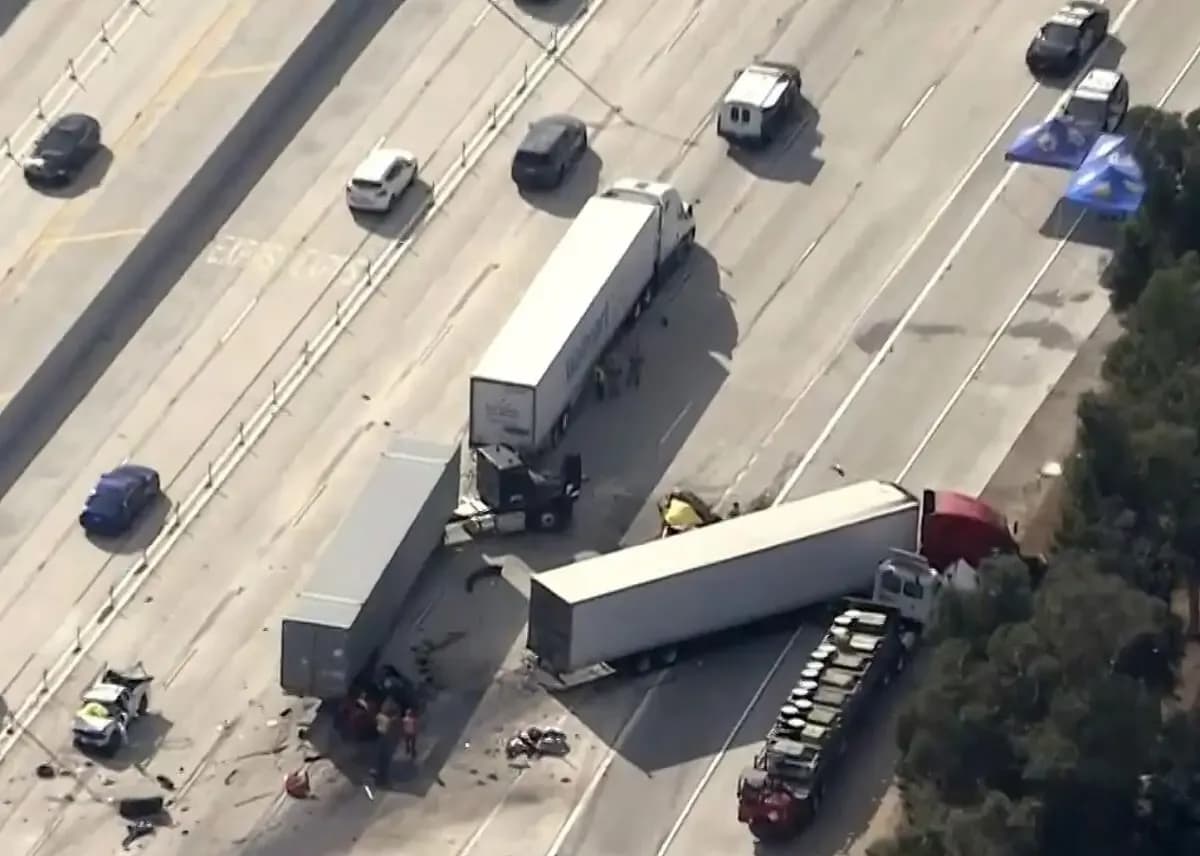
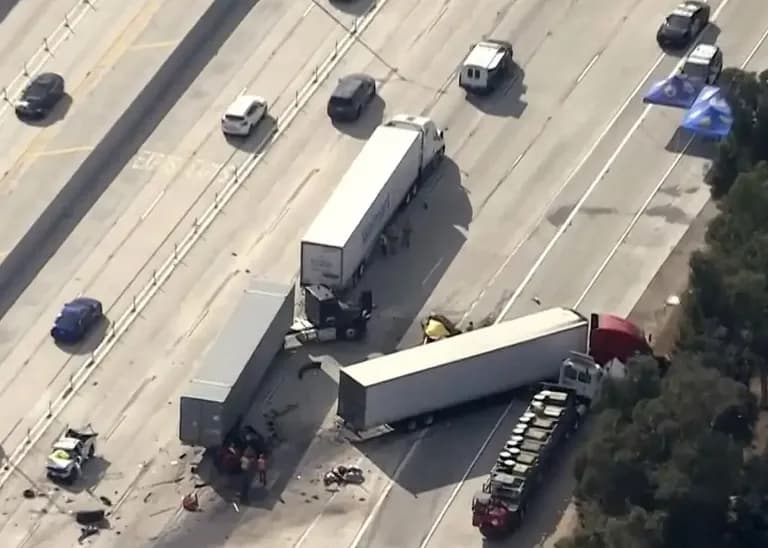
New York City’s busy streets, crowded expressways, and constant commercial activity make large truck traffic an everyday part of its transportation network. However, when these massive vehicles collide with passenger cars, the consequences can be devastating.
Many of these collisions stem from preventable factors, including driver inattention, speeding, and failures in company safety practices. For injured victims, identifying who should pay can become complicated when responsibility extends beyond the truck driver to the company operating the vehicle. An experienced NYC truck accident attorney can help investigate potential negligence, identify accountable parties, and pursue compensation while navigating New York's legal deadlines.
Driver Actions and Company Responsibility
A driver can be responsible for speeding, distracted driving, or following too closely. The trucking company can also face a claim if its own negligence contributed to the crash. For instance, hiring an unqualified driver, ignoring unsafe conduct, or failing to maintain a truck can point to company responsibility.
When a driver’s actions and company decisions both contributed, the evidence must show how each party’s conduct relates to the collision. An accident attorney can review truck accident records, company documents, and the reported injuries to identify who may be accountable. That review also tests whether a safety failure contributed to the crash, rather than treating a separate company problem as proof of fault.
Negligent Hiring and Supervision
Hiring and supervision practices can matter when a driver causes a crash. Investigators can examine the driver’s qualifications, what the company knew about the driver’s history, and how it handled safety complaints or prior incidents.
The records may show whether the company provided suitable training and responded to unsafe behavior. Witness accounts can help establish whether someone raised a warning that the company ignored, or whether the driver continued working despite a known risk. A claim against the company still needs evidence linking its decisions to the collision.
Unsafe Schedules and Delivery Pressure
Dispatch decisions can contribute to unsafe driving when schedules leave too little time for a trip. A tight delivery window alone does not prove negligence. Messages, route instructions, and timing records can help show whether the driver faced pressure to hurry or skip rest.
The focus is on what happened before the crash. Delivery records and communications can be compared with the driver’s account and route. A pattern of unrealistic assignments can support an investigation into company practices, particularly if it coincides with evidence of speeding or fatigue.
Truck Maintenance and Inspection Failures
A company responsible for maintaining a truck can be liable when a preventable mechanical problem contributes to a crash. Faulty brakes, worn tires, or defective lights can affect stopping distance or visibility. A maintenance gap unrelated to the collision does not, by itself, establish responsibility.
Photographs, repair records, inspection documents, and the truck itself can show what failed and when. Preserving this evidence promptly matters because repairs or routine servicing can change the vehicle’s condition. The investigation must connect a specific defect to the crash, not just the existence of a defect.
Cargo Loading and Shifting Freight
The company that loads a truck can share responsibility if unsecured cargo shifts, changes the truck’s balance, or falls onto the roadway. A driver may also be responsible for missing a loading problem or continuing to drive with an unsafe load. The facts determine who handled each task.
Photographs of the cargo, loading records, and witness accounts can help establish how the freight was arranged. Investigators should also determine whether the load shifted before impact. This evidence can distinguish a cargo-related cause from a separate mechanical failure or driving error.
Separate Fault From Legal Responsibility
A collision report can record what officers observed, but it does not settle every question of civil responsibility. Witness accounts, vehicle damage, road conditions, and available video can support or challenge the report’s description. Investigators should compare these sources because each has limits.
New York applies comparative fault principles. Under CPLR § 1411, an injured person’s share of fault can reduce damages. In personal injury actions subject to Article 51 of New York’s Insurance Law, recovery can be barred if the injured person’s fault exceeds the combined fault of the parties they seek to recover from. A careful account should preserve facts supporting the injured person’s version while addressing evidence that points to a different conclusion.
Match Each Loss to Supporting Records
Responsibility for the crash and the value of an injury claim are separate questions. Medical records can document treatment and effects on daily activities. Employment records can show missed work, while receipts and repair estimates can support out-of-pocket costs and property damage.
Consistent records help explain how the injury developed after the collision. Gaps in treatment or documentation can raise questions, so an injured person should keep appointment records, bills, work communications, and symptom notes. The claim should separate confirmed losses from uncertain costs.
Conclusion
Who pays depends on which actions or failures caused the crash and what losses the evidence supports. The driver, trucking company, or cargo handler may share responsibility, but a company’s connection to the truck alone does not prove fault. After a collision, preserving photographs, contact details, medical records, and written communications gives an injured person a clearer basis for assessing who should answer for the harm.
The weekly question
From obsession to clarity — one original question every week.
We answer one noisy topic at a time, in full. No daily roundup, no thread bait — just the question, the principles, and the system.