
Tips for Turning Scrap Metal Into Cash
Scrap metal for cash is a smart way to profit from old materials—learn how to identify, prepare, and sell metals for the highest possible return.
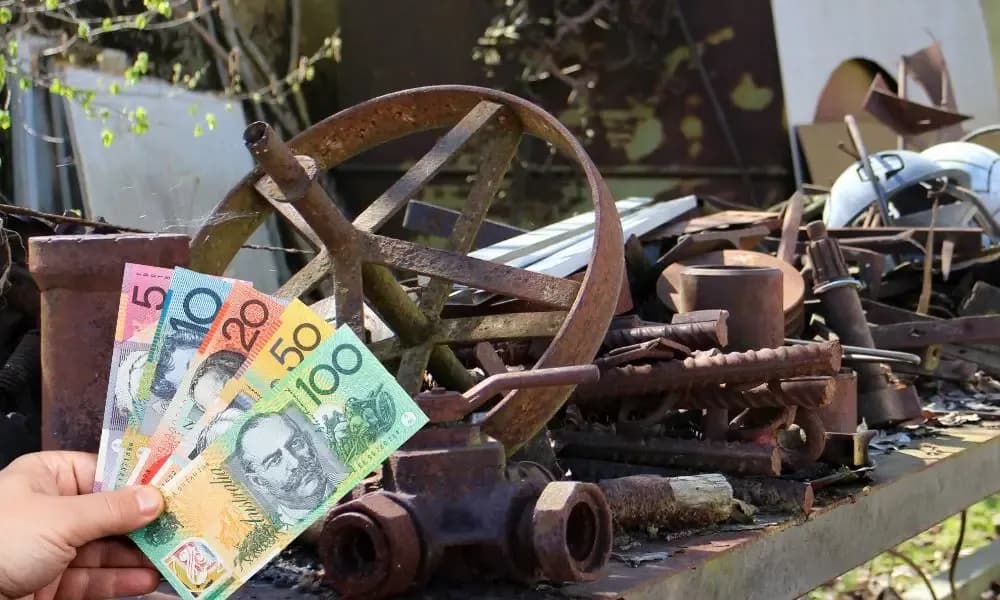
Transforming scrap metal into extra cash can be a lucrative endeavor if you know what to look for and where to sell it. The key to successful scrap metal recycling lies in identifying valuable materials, understanding market prices, and knowing how to prepare the scrap properly. Whether you’re a homeowner with leftover building materials or a hobbyist with a collection of metal pieces, turning scrap into cash is a feasible project. Below are the essential steps you’ll need to follow to start monetizing your scrap metal today.
Local Scrap Yard Research and Price Comparison
Finding a reputable and trustworthy scrap yard is paramount when looking to sell your metals. It’s worthwhile to do some online searches to see the options available in your area. Look for businesses that have positive reviews and transparent pricing, such as the scrap yard Howell MI, which offers current metal prices and helpful customer service.
Once you have identified several scrap yards, compare their prices. Some facilities may offer better rates for certain metals, or they might have special deals for bulk quantities. Taking the time to call ahead and inquire about the day’s prices can lead to better payouts.
The date of the last price update can make a difference, too. Metal prices fluctuate due to market conditions, so frequent updates are a good sign that the scrap yard is staying competitive. Don’t hesitate to ask about this or any additional services they might provide, like pick-up services or container rentals.
Preparing and Sorting Scrap Metal for Sale
Maximizing the value of your scrap metal requires proper preparation and sorting before sale. Removing any non-metal attachments can increase the purity of your metal, which scrap yards value highly. Make sure to strip down any insulated wires to expose the metal and disassemble electronics to separate the metal components.
Cleaning your metals can also benefit your bottom line. While it’s not necessary to polish everything until it shines, removing excess dirt and corrosion can make a difference. This is particularly true for metals like copper and aluminum, where cleanliness is often equated with quality.
Sorting your metals into separate containers is another key step. Mixing metals can lead to you receiving the price of the least valuable metal in the batch. By keeping them separate, you’re likely to get more accurate valuations for each type.
Understanding Scrap Metal Laws and Regulations
Dealing with scrap metal sales also means navigating the laws that govern these transactions. Depending on your location, you might need a permit to sell scrap metal or be subject to certain regulations that dictate how and where you can collect it. It’s essential to familiarize yourself with local ordinances to remain compliant and avoid fines.
There’s also the matter of transaction reporting. Anti-theft laws in many areas require scrap yards to maintain records of sales, including the identity of the seller. Be prepared to show a valid ID and potentially have your transactions reported to local authorities.
Regarding regulated items, special rules often apply to metals from catalytic converters, railroad materials, and copper wiring, given their high theft rates. Make sure that the items you’re selling are yours to sell and that you haven’t inadvertently crossed into selling regulated materials without authorization.
Marketing Your Scrap Metal for Maximum Profit
Once you’re ready to sell, marketing your scrap effectively can yield higher profits. Use online platforms like social media groups, Craigslist, and eBay to reach a broader audience. There might be hobbyists, artists, or small business owners looking for the exact kind of metal you have to offer.
Building relationships with local contractors or businesses that regularly deal with metal can be beneficial. They may be willing to sell their scrap to you or buy your sorted and prepared metals for a good price, especially if you’re offering a steady supply.
Altogether, turning scrap metal into cash involves more than simply selling off unwanted materials. It requires knowledge of market values, meticulous preparation, compliance with laws, and strategic marketing. By mastering these aspects, you can make the most out of your scrap metal and enjoy a profitable recycling endeavor.
From obsession to clarity — one original question every week.
We answer one noisy topic at a time, in full. No daily roundup, no thread bait — just the question, the principles, and the system.