
What Is Position Sizing Discipline?
Position sizing discipline helps traders manage risk, control emotions, protect capital, and make more consistent trading decisions over time.
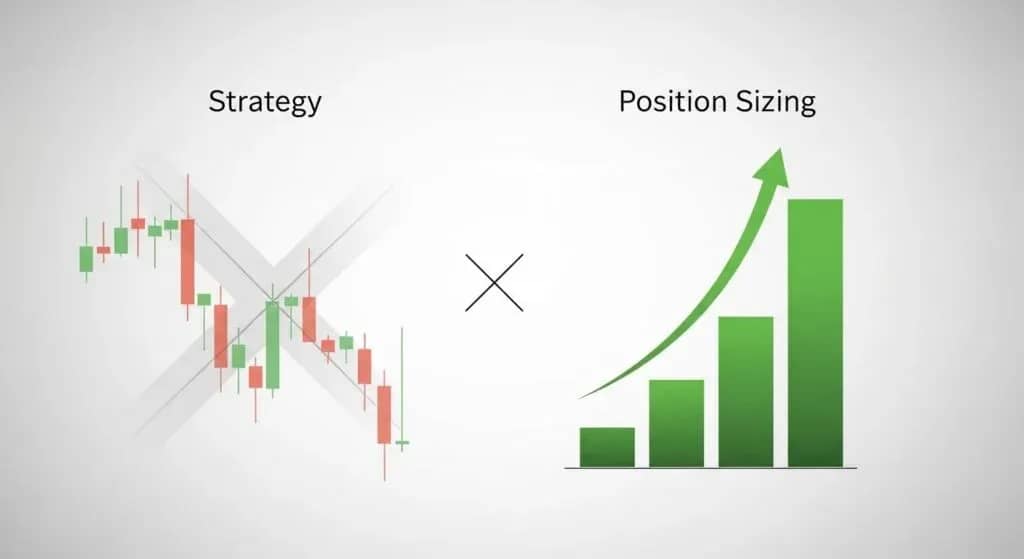
Position sizing is a trading concept that doesn't sound particularly exciting until you realize it can have a bigger impact on your long-term results than finding the “perfect” stock. While entry points and technical indicators often steal the spotlight, deciding how much capital to allocate to each trade is what separates disciplined traders from emotional ones.
Mastering position sizing won't guarantee every trade is profitable. However, it can help you manage risk and stay in the game through both winning and losing streaks.
Why Should Every Trader Learn Position Sizing?
Position sizing is the process of determining how much of your account you'll commit to a single trade. Instead of investing a random amount each time, disciplined traders follow predefined rules that align with their risk tolerance and overall strategy.
One of the safest ways to develop this habit is to use a day trader simulator. Practicing in a simulated environment allows you to experiment with different position sizes, see how they affect your portfolio, and build confidence before real money is on the line. It's an excellent way to learn consistency without paying for mistakes.
What Does Position Sizing Discipline Mean?
Position sizing discipline means following the same risk management rules regardless of how confident you feel about a trade. Rather than increasing your investment because a setup “looks perfect,” disciplined traders determine their position size before entering the market and stick to that plan.
This approach removes much of the emotion from trading decisions. Over time, consistency helps create more predictable outcomes because each trade represents a calculated level of risk instead of an impulsive wager.
Why Don't Bigger Positions Always Mean Bigger Success?
It's easy to assume that larger positions automatically lead to larger profits. While that's technically true when trades work out, larger positions also amplify losses when markets move against you.
Many traders become tempted to increase their position size after a series of successful trades, believing they're on a hot streak. Others do the same after losses in an attempt to recover quickly. Both situations can expose an account to unnecessary risk and make emotional decision-making even harder to control.
Common Methods Traders Use to Size Their Positions
There isn't a single “correct” way to determine position size, but several methods are widely used. Some traders risk a fixed percentage of their account on every trade, while others use a fixed dollar amount they're willing to lose if a stop-loss is triggered.
More advanced traders may adjust position sizes based on market volatility or the distance between their entry price and stop-loss level. Regardless of the method, the goal remains the same: ensure that no single trade can cause outsized damage to your trading account.
How Does Position Sizing Help Protect Your Trading Account?
Every trader experiences losing trades. The difference is that disciplined traders plan for them instead of hoping they'll never happen. By keeping position sizes consistent and aligned with your risk management rules, you can limit the impact of any single loss.
This approach helps reduce drawdowns, preserve capital, and give yourself more opportunities to recover over time. Protecting your account isn't about avoiding losses altogether — it's about making sure one bad trade doesn't erase the progress from many good ones.
What Mistakes Break Position Sizing Discipline?
Even experienced traders can fall into habits that undermine quality risk management. One of the most common mistakes is increasing position sizes after a big win because confidence is running high. Another is doubling down after a loss to recover quickly.
Ignoring stop-loss levels, risking different amounts on similar trades, or making decisions based on gut feelings instead of a written plan can also create unnecessary volatility. Recognizing these habits early makes them easier to correct.
How Can You Build Better Position Sizing Habits?
Strong habits develop through repetition. Start by deciding how much of your account you're willing to risk on each trade and write that rule down. Before entering any position, calculate your trade size based on that guideline rather than making a last-minute decision.
It also helps to review your trading history regularly. Looking back at whether you consistently followed your sizing rules can reveal patterns that need improvement. Like any trading skill, discipline becomes easier with practice and experience.
Your Decisions Can Have an Important Impact
Position sizing discipline may not be the flashiest part of trading, but it's one of the most valuable. While no strategy can eliminate risk, consistently controlling how much you risk on each trade can help protect your capital and keep emotions in check.
Over time, those small, disciplined decisions add up. Whether you're just beginning your trading journey or refining an existing strategy, treating position sizing as a core part of your process can support more consistent decision-making and long-term growth.
From obsession to clarity — one original question every week.
We answer one noisy topic at a time, in full. No daily roundup, no thread bait — just the question, the principles, and the system.