How a New Roof Can Improve Home Value and Protection
New roof installation can improve home value, strengthen weather protection, reduce water damage risks, and enhance curb appeal.
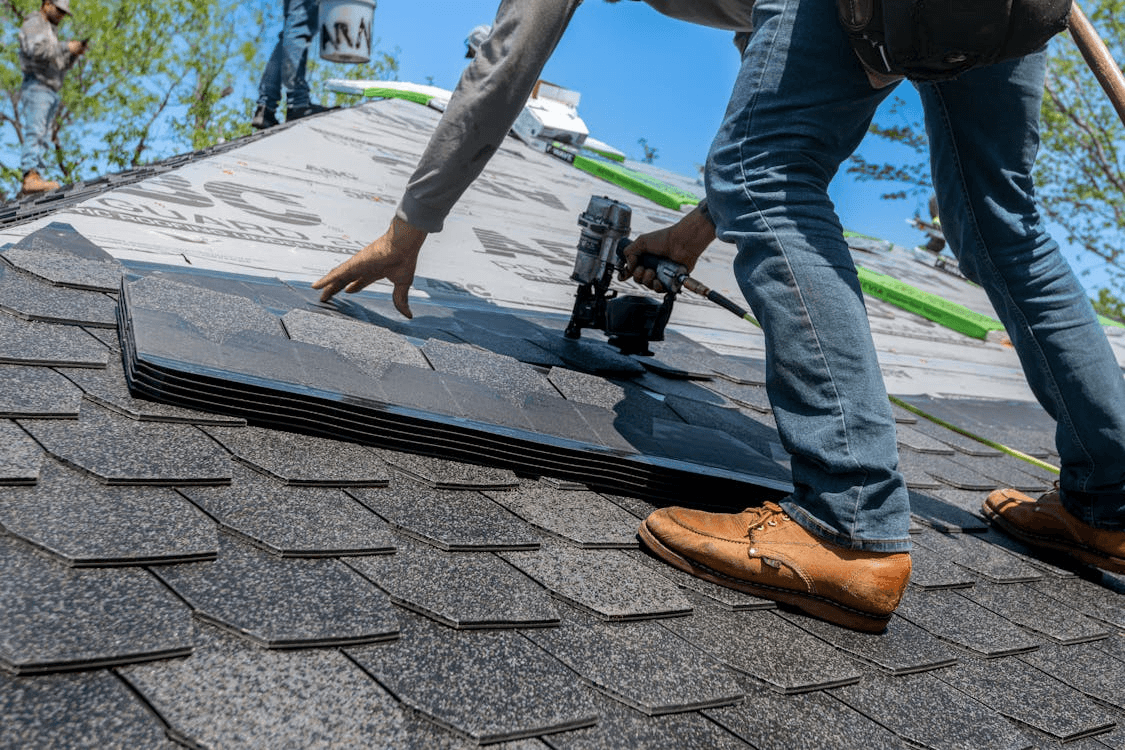
The roof plays a critical role in protecting a home, but many homeowners do not pay much attention to it until noticeable problems begin to surface. A roof works constantly in the background, protecting the house from rain, wind, heat, moisture, and changing weather conditions throughout the year. When the roof begins aging or deteriorating, the effects often spread far beyond the exterior of the home.
An older roof can lead to leaks, rising energy bills, water damage, mold growth, and even structural concerns if problems are ignored too long. At the same time, roofing also plays a major role in curb appeal and property value. A damaged or worn roof immediately affects how a home looks from the street, while a clean and modern roof often makes the entire property appear newer and better maintained.
Many homeowners delay roof replacement because they view it as only a repair expense. In reality, a new roof is often a long-term investment that improves both protection and resale value at the same time. Modern roofing materials now offer better durability, stronger weather resistance, and improved energy efficiency compared to older systems.
Choosing the right roofing solution early can help homeowners avoid larger and more expensive problems later.
A New Roof Improves Both Protection and Property Value
A roof does far more than cover a home. It protects the entire structure underneath it. Once roofing materials begin failing, moisture and weather exposure can slowly damage ceilings, insulation, walls, flooring, and wooden framing inside the home.
Common warning signs of roof problems include missing shingles, visible sagging, water stains on ceilings, storm damage, cracked flashing, and repeated leaks during heavy rain. In many cases, these issues appear gradually, which is why homeowners sometimes underestimate the seriousness of roof deterioration.
Working with an experienced roof replacement company can help homeowners evaluate roofing damage, identify long-term structural concerns, choose durable replacement materials, and complete professional installations that improve weather protection while also increasing overall home value and exterior appearance. Professional roofing specialists often help homeowners understand which roofing systems best fit the climate, budget, and long-term needs of the property.
A new roof is also one of the first things buyers notice during home sales. Many buyers see a recently replaced roof as a major advantage because it reduces future maintenance concerns and increases confidence in the condition of the home.
Curb appeal improves immediately after a roof replacement as well. Clean shingles, updated colors, and modern roofing materials often make the entire property look newer and more attractive from the street.
Roof Replacements Help Prevent Water Damage
Water damage is one of the most expensive problems caused by aging roofs. Even small leaks can quietly spread moisture into areas homeowners cannot easily see right away.
Over time, leaking water may damage insulation, drywall, ceilings, flooring, electrical systems, and wooden framing. Mold and mildew can also develop in damp areas if moisture remains trapped for extended periods.
The challenge with roof leaks is that visible damage inside the home often appears long after the roofing problem first begins. A small opening around flashing or damaged shingles may allow water intrusion slowly during storms without immediate signs indoors.
Replacing an aging roof before leaks worsen helps prevent much larger structural repairs later. Preventative action is usually far less expensive than repairing severe interior water damage after months or years of moisture exposure.
A strong roof acts as the first layer of defense against nearly every weather condition a home faces.
Energy Efficiency Often Improves With a New Roof
Modern roofing systems do more than provide weather protection. They also help improve energy efficiency throughout the home.
Older roofs often allow heat transfer more easily, especially when insulation and ventilation systems are outdated. During hot weather, poorly performing roofs may trap excess heat inside the attic, forcing air conditioning systems to work harder.
Newer roofing materials are designed to improve temperature regulation by reflecting sunlight more effectively and supporting better airflow. Improved attic ventilation also helps reduce heat buildup and moisture accumulation beneath the roof structure.
This improved efficiency may lower heating and cooling costs throughout the year while making indoor temperatures more comfortable overall.
Energy-efficient roofing systems can be especially beneficial in areas with long summers, strong sun exposure, or frequent temperature changes.
A New Roof Improves Curb Appeal
The roof is one of the largest visible features of any home. Because of that, it strongly affects how the property looks from the street.
Faded shingles, discoloration, visible damage, and uneven roofing lines can make even well-maintained homes appear older and neglected. A new roof instantly refreshes the appearance of the property.
Modern roofing materials now come in a wide range of colors, textures, and styles that allow homeowners to match the overall design of the home more effectively. Architectural shingles, metal roofing, and upgraded materials can add visual depth and character to the exterior.
Curb appeal matters not only for resale value but also for overall pride of ownership. A clean and updated roof often improves how homeowners feel about the appearance of the property as a whole.
Modern Roofing Materials Offer Better Durability
Roofing technology has improved significantly over the years. Today’s roofing materials are often far more durable and weather-resistant than older systems installed decades ago.
Architectural shingles provide stronger wind resistance and longer lifespan compared to basic three-tab shingles. Metal roofing has also become increasingly popular due to its durability and energy efficiency. Tile roofing remains a strong option in some climates because of its longevity and weather performance.
Modern roofing systems are better designed to handle heavy rain, wind, UV exposure, and changing temperatures. Some materials also resist impact damage more effectively during storms.
Improved durability means fewer repairs and lower maintenance costs over time.
Warranties have also improved significantly, giving homeowners additional confidence in long-term roof performance.
Roof Replacements Improve Home Safety
Damaged roofs create more than cosmetic problems. Severe deterioration can eventually affect the structural safety of the home itself.
Rotting wood, weakened roof decking, trapped moisture, and loose roofing materials all create risks if problems continue worsening over time. In severe cases, long-term water damage may weaken sections of the roof structure enough to require extensive repairs.
Professional roof replacement projects often include full inspections that help identify hidden issues homeowners may not notice themselves.
Replacing an aging roof before structural problems spread helps reduce emergency repair situations and protects the overall safety of the property.
A new roof improves much more than appearance alone. It strengthens weather protection, improves energy efficiency, increases curb appeal, supports home safety, and protects long-term property value.
Roof replacement also helps prevent costly structural damage caused by leaks, moisture, and aging materials before problems spread throughout the home.
For many homeowners, replacing an aging roof becomes one of the smartest long-term investments they can make because it protects both the property itself and the financial value attached to it for years to come.
The weekly question
From obsession to clarity — one original question every week.
We answer one noisy topic at a time, in full. No daily roundup, no thread bait — just the question, the principles, and the system.