Home Improvement Habits That Help Families Settle Into A New City Faster
Home improvement habits help families settle into a new city faster by creating comfort, structure, and smoother daily routines.
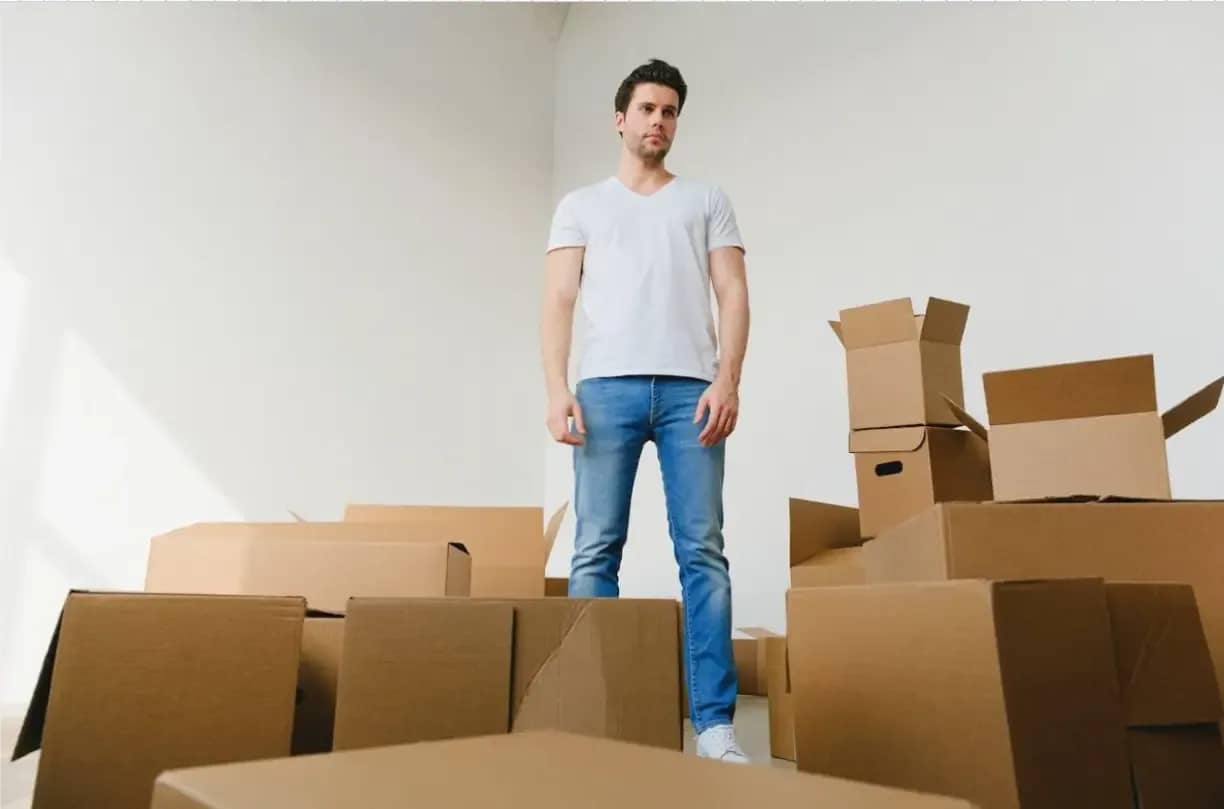
Leaving a familiar city often feels unfamiliar during the first few days after relocation. Favorite grocery stores are suddenly replaced, routines feel unsettled and those where-does-anything-belong-now thoughts begin appearing while unpacked boxes continue taking over every room. Moving away from a city like Dallas for a fresh chapter can feel both exciting and emotionally overwhelming because new opportunities and experiences lie ahead, though adjustment still takes time for every member of the family.
A new house rarely feels comfortable immediately after arrival. Furniture may fit differently, storage may feel unfamiliar and even simple routines like preparing breakfast can suddenly seem disorganized. That is why many families are paying closer attention to home improvement habits that make settling in feel smoother and less stressful.
Modern relocation is no longer treated as a simple packing process. Families now view moving as a major lifestyle transition that affects comfort, organization and emotional stability inside the home itself. Have you ever noticed how quickly stress levels drop once a space finally starts functioning properly?
Preparation Makes New Spaces Feel Familiar Faster
Families preparing for a major relocation often underestimate how strongly organization affects emotional comfort after moving. Cluttered rooms, delayed repairs and poor storage systems can quickly make a new house feel overwhelming during the adjustment period.
Homeowners handling big-scale relocations should work with reliable Dallas long distance movers when transporting heavy furniture, valuable belongings and complicated household schedules across states. Professional coordination often allows families to focus more attention on organizing their new environment instead of becoming overwhelmed by transportation problems alone.
Simple home improvement habits also make unpacking far easier. Functional shelving, labeled storage areas and organized closets create structure during a period when routines already feel unfamiliar. Spaces that are prepared properly before boxes arrive usually feel calmer much faster.
For example, a family that installs garage shelving before unpacking may immediately create dedicated spaces for seasonal items and tools instead of leaving everything stacked inside random boxes for weeks. Another homeowner replacing damaged kitchen storage before moving in may notice that meal routines become easier almost immediately afterward.
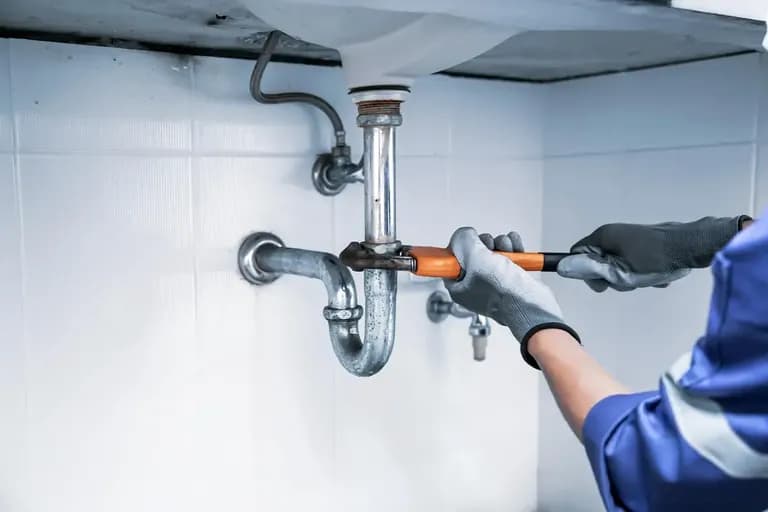
Repairs should also be prioritized early. Loose fixtures, outdated lighting and poorly functioning storage systems often become more frustrating once families are already adjusting emotionally to a new environment.
Functional Spaces Reduce Relocation Stress
Modern homes are expected to support far more responsibilities than they once did. Shared spaces now function as work areas, relaxation zones and gathering spots throughout the day. Because of this, functionality matters far more after relocation than many people initially expect.
Storage remains one of the biggest challenges during a move. Clutter builds quickly because boxes tend to stay unopened longer than planned while misplaced belongings create unnecessary frustration during ordinary routines. Functional organization systems reduce this pressure by creating structure immediately.
Bathrooms and kitchens usually affect comfort levels the fastest because they are used constantly during the day. Poor layouts, limited storage and weak lighting can make families feel unsettled even when the house itself looks attractive. Practical upgrades often improve emotional comfort more effectively than decorative changes during the beginning stages of relocation.
Several home improvement habits commonly help families settle in faster:
- - Installing practical storage systems before unpacking
- - Replacing outdated lighting for brighter shared spaces
- - Decluttering rooms before arranging furniture
- - Organizing essential items by daily use
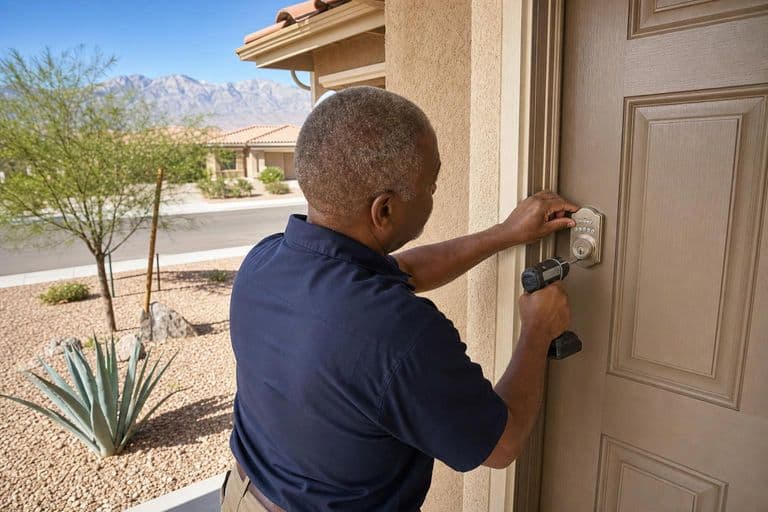
- - Repairing damaged fixtures immediately after moving
These habits may appear basic though they often shape how comfortable families feel during the first several months inside a new home.
Would relocation feel less exhausting if homes were organized around convenience before the unpacking process even started? In many cases, the answer would absolutely be yes.
Long-Term Thinking Creates A Better Home
Relocation gives families an opportunity to rethink how their homes support daily living. Many people realize after moving that certain routines from previous houses no longer fit their new schedules, family needs or available space. Because of this, practical upgrades are increasingly prioritized during the settling-in process.
Outdoor improvements are becoming more common as well. Organized garages, durable storage spaces and secure outdoor areas improve convenience. Storm-proofing homes during changing weather conditions is also a key step. These changes support safety and functionality without requiring major reconstruction.
Technology is also influencing how families organize homes after relocation. Smart lighting systems, energy-efficient upgrades and improved security features are often installed early because they simplify routines quietly while making households easier to manage overall.
Professional guidance has become more valuable during major moves too. Contractors, organizers and relocation professionals often identify layout problems or storage opportunities that homeowners may overlook during stressful transitions. Thoughtful planning reduces rushed decisions that later create frustration.
For example, a family redesigning a laundry area after relocation may prioritize accessibility and storage instead of decorative upgrades because those changes improve everyday convenience far more consistently. Another homeowner may focus on garage organization immediately after arrival because efficient storage reduces clutter throughout the entire house.
Could any home truly feel comfortable if ordinary routines remain unnecessarily stressful every single day? Most families eventually realize that practicality matters far more than appearance alone.
Comfort Grows When Homes Support Real Life
Moving to a new city always requires adjustment because routines, surroundings and responsibilities all change at once. What helps families settle in faster is not perfection. It is preparation, organization and functional spaces that support ordinary life during the transition.
Home improvement habits reduce stress because they create structure during uncertain periods. Organized storage, practical layouts and thoughtful repairs help families feel grounded while adapting to unfamiliar surroundings and routines.
The most welcoming homes are rarely the ones filled with expensive design trends alone. They are the homes where movement feels easy, storage works properly and everyday tasks stop creating unnecessary frustration. When functionality supports real life effectively, a new house gradually begins feeling less temporary and far more like home.
The weekly question
From obsession to clarity — one original question every week.
We answer one noisy topic at a time, in full. No daily roundup, no thread bait — just the question, the principles, and the system.