

How to Keep Your Garage Comfortable Year-Round With Insulation
Garage insulation helps keep your garage comfortable year-round by regulating temperature, saving energy, and protecting your belongings in every season.
When we think of comfort in our homes, we often focus on living rooms, bedrooms, and kitchens, while the garage is usually dismissed as just a storage space. However, transforming your garage into a comfortable environment can enhance its functionality, whether you’re using it as a workshop, gym, or simply for parking your vehicle. One of the most effective ways to achieve a year-round comfortable garage is through insulation.
Understanding the Importance of Garage Insulation
Insulation works by reducing the transfer of heat between the inside and outside of your space. In a garage, efficient insulation can:
• Regulate Temperature: A well-insulated garage minimizes the temperature swings caused by seasonal changes. This means it will feel cooler during scorching summers and warmer during the cold winters.
• Enhance Energy Efficiency: Proper insulation can reduce heating and cooling costs. A comfortable garage means less strain on your home’s heating and cooling systems.
• Protect Belongings: Extreme temperatures can damage sensitive items stored in your garage, from tools to paint and chemicals. Insulation acts as a buffer against temperature extremes.
Types of Garage Insulation
Before selecting the best insulation approach, it’s essential to understand the types available:
1. Fiberglass Insulation
This is one of the most common insulation types. It consists of tiny glass fibers and is available in batts or rolls. Its effectiveness largely depends on how well it’s installed, and it can be an affordable option for those on a budget.
2. Foam Board Insulation
Foam board provides a high insulation value per inch of thickness. It can be used in walls and ceilings and is excellent for garages where space is at a premium.
3. Spray Foam Insulation
For top-notch energy efficiency and air sealing, spray foam is an excellent choice. It expands and fills gaps, creating a tight seal. However, installing spray foam may require professional assistance due to its complexity.
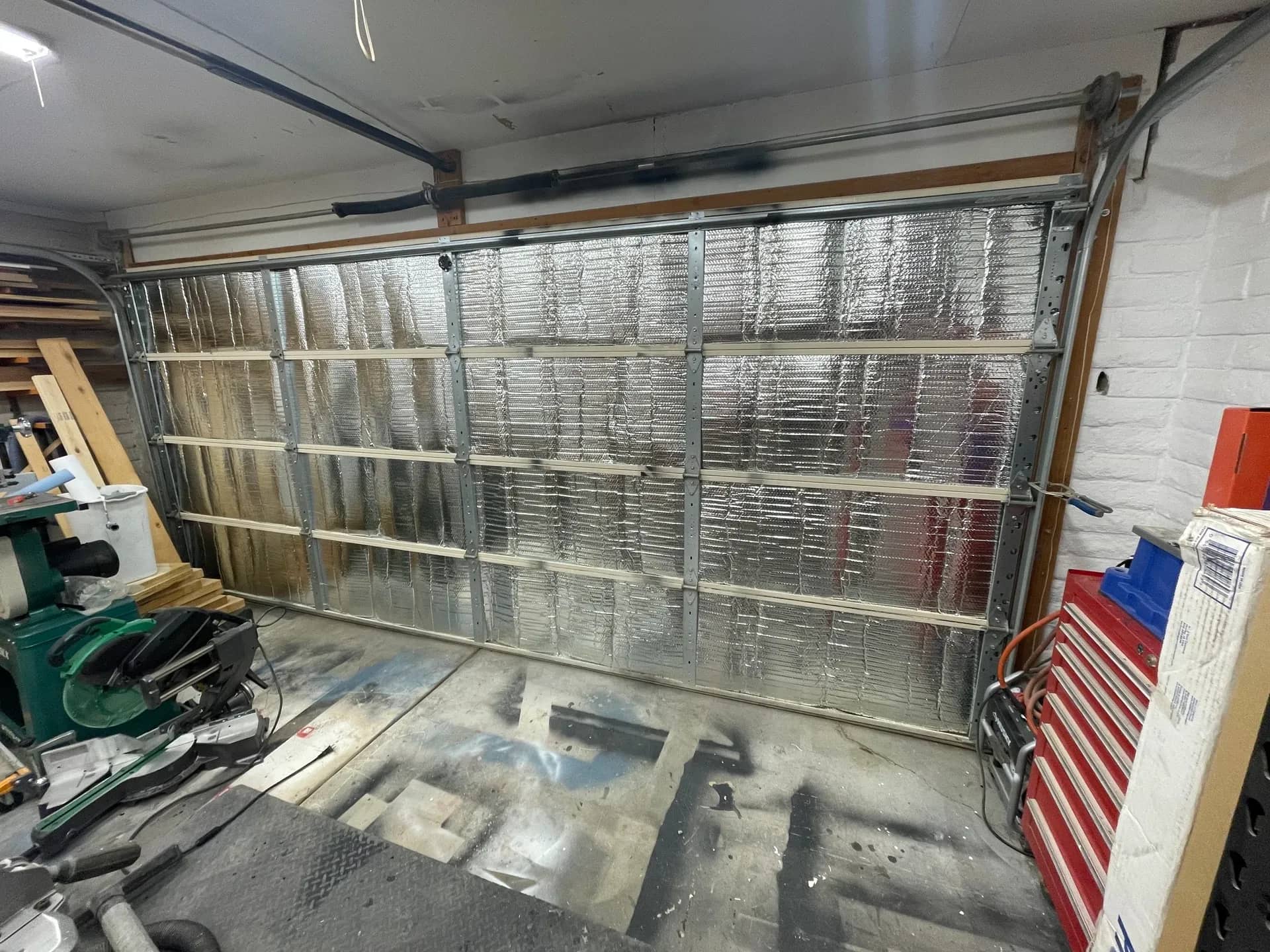
4. Reflective or Radiant Barrier Insulation
This type is especially useful in warmer climates. It reflects radiant heat away in the summer and can help keep your garage cooler.
5. Garage Door Insulation Kits
For an effective solution that can be easily installed, consider an insulation kit designed for home garages. Products like the Bluetex Residential Garage Door Insulation Kit can significantly reduce heat transfer through the garage door, making your garage more comfortable year-round. The kit is user-friendly, requiring minimal tools and expertise for installation, making it an accessible choice for most homeowners.
Steps to Insulate Your Garage
Once you understand the types of insulation available, you can take the following steps to insulate your garage effectively:
Step 1: Assess Your Garage
Begin by evaluating your garage’s existing insulation. Check walls, ceilings, and the garage door for gaps or weak spots. Also, consider the climate in your area, as it will influence the type of insulation that’s most effective.
Step 2: Choose Your Materials
Based on your assessment and budget, select the type of insulation you want to use. For wall insulation, fiberglass or foam board might be appropriate, while for the garage door, a dedicated insulation kit can do wonders.
Step 3: Install Properly
Installation is crucial for optimal performance:
• For Walls and Ceilings: If using batts or rolls, ensure they fit snugly between the studs. Avoid compressing the material, as that can reduce its insulation properties.
• For Garage Doors: Follow the manufacturer’s instructions when using an insulation kit. Most kits will require you to clean the door surface first, apply adhesive or other fasteners, and cut the insulation panels to fit where necessary.
Step 4: Seal Gaps
Once the insulation is in place, go around your garage and seal any gaps or cracks. Use caulk or weather stripping around windows, doors, and any wall penetrations to prevent air leaks.
Step 5: Monitor and Adjust
Once everything is installed, monitor the garage’s comfort level through different seasons. If you find areas that still feel drafty or too hot, additional insulation or sealed gaps may be necessary.
Additional Tips for a Comfortable Garage
• Ventilation: Proper ventilation is crucial for keeping air circulating. Install vents where necessary to prevent humidity buildup, which can lead to mold and other issues.
• Consider Radiant Floor Heating: If you plan on spending extended periods in your garage, radiant floor heating can be a luxurious and efficient way to stay warm in colder months.
• Upgrade Lighting: Good lighting can enhance your garage experience, making it more inviting and functional, especially during winter months when daylight hours are shorter.
Conclusion
Embracing insulation in your garage significantly enhances your living space, transforming it from a mere storage area into a comfortable, functional environment. With a combination of the right materials, strategic installation, and attention to detail, you’ll not only improve the garage’s thermal efficiency but also create a space you’ll enjoy spending time in, irrespective of the season. So take that first step towards comfort, and explore the options available – you might just find your garage is the next favorite room in your home.
From obsession to clarity — one original question every week.
We answer one noisy topic at a time, in full. No daily roundup, no thread bait — just the question, the principles, and the system.