How a DUI Lawyer Questions the Accuracy of Field Sobriety Tests
A DUI lawyer can question field sobriety tests by examining officer instructions, medical limitations, road conditions, scoring methods, training, and video evidence.
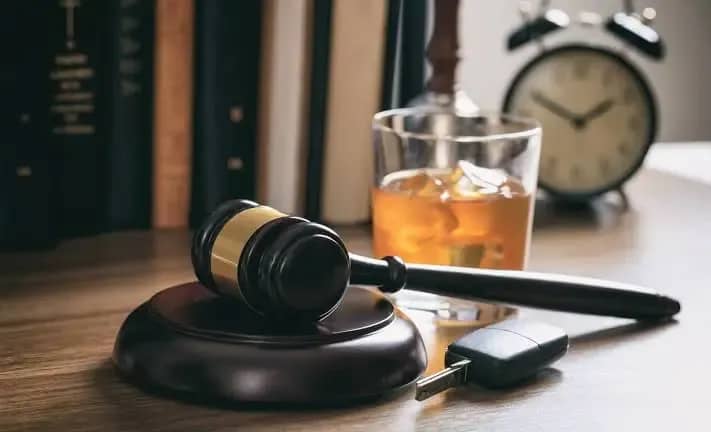
Los Angeles, California, is known for its busy freeways, active nightlife, and constant flow of commuters, making traffic enforcement a regular part of daily life. When a driver gets stopped on suspicion of impaired driving, the moments that follow can shape the outcome of a criminal case long before it reaches a courtroom. Many people assume roadside testing provides clear answers, yet these evaluations get influenced by circumstances that are not always obvious during a traffic stop.
Physical limitations, environmental conditions, and communication issues may all affect a driver's performance, creating questions about whether the results truly reflect impairment. For anyone facing charges, understanding how those questions get raised can make a meaningful difference when preparing a legal response. A DUI defense lawyer in Los Angeles may closely examine every detail surrounding the stop before accepting roadside observations at face value.
Why Accuracy Matters
Soon after an arrest, a DUI defense lawyer may study whether roadside tasks measured impairment or reflected fatigue, anxiety, joint pain, poor footwear, traffic noise, or unclear commands. That inquiry helps separate dependable observations from weak evidence before those claims shape hearings, negotiations, or trial decisions.
The Three Main Tests
The usual roadside battery includes the walk-and-turn, one-leg stand, and horizontal gaze test. Each has training-based scoring points. A missed heel touch, raised arm, early step, sway, or eye movement may be treated as a clue. Defense review asks whether the officer gave full instructions, demonstrated each task, and scored performance without guesswork.
Standardization Problems
These tests depend on consistency. Directions, timing, surface choice, and scoring must match training standards. Counsel may compare the police report with body camera footage, agency policy, and testimony. If the officer shortened instructions, changed criteria, or ignored required safeguards, the result may deserve less weight. Courts often focus on fairness, not labels.
Medical Causes
Poor balance can come from lawful medical causes. Prior orthopedic injuries, inner ear disorders, neuropathy, migraines, vision limits, low blood sugar, or medication effects may alter posture and gait. Panic can also affect breathing, attention, and muscle control. A careful defense review asks whether the officer screened for these conditions before linking movement to impairment.
Road Conditions
Roadside testing rarely occurs in a controlled space. Sloped asphalt, gravel, wet pavement, headlights, sirens, wind, darkness, or passing vehicles can affect coordination. Footwear matters as well. Heels, boots, sandals, or worn soles may change stability. Photos, video, dispatch logs, and officer statements can show whether the location made performance less reliable.
Instruction Errors
Clear directions are essential because these tasks are unfamiliar to many drivers. A person may fail after misunderstanding where to stand, how to count, or when to begin. Officers should explain the starting position, turning method, arm placement, and stopping rules. Rushed commands or missing demonstrations can turn confusion into alleged evidence.
Observation Bias
Expectations can shape perception. After smelling alcohol or hearing an admission, an officer may interpret ordinary movements as suspicious. A slight sway may become a clue. Careful speech may get described as slow. Counsel reviews whether the report lists concrete facts or relies on broad conclusions that cannot be tested against video.
Video Evidence
Camera footage often provides the clearest check on written reports. A narrative may claim stumbling, while video shows steady walking and responsive answers. Footage may also reveal poor lighting, interrupted instructions, or an unsafe shoulder. Lawyers compare each claimed clue with visible conduct. Any mismatch can weaken the prosecution’s account.
Training Gaps
Field sobriety testing requires instruction, practice, and memory of detailed scoring rules. Counsel may ask when the officer last completed training, which manual applied, and how local policy handled roadside checks. If the officer cannot explain the method or criteria, the prosecution may struggle to prove that the results are dependable.
Cross-Examination Goals
Strong questioning stays practical. Counsel may ask about pavement slope, traffic distance, weather, footwear, medical screening, lighting, and the exact words used during instructions. The goal is not drama. It is to show that ordinary physical limits, environmental pressure, or flawed procedure could explain the same behavior seen at roadside.
Other Evidence
Field sobriety results should be weighed with every other fact. Breath testing, blood analysis, driving pattern, speech, odor, witness accounts, and video may support or contradict the roadside narrative. Counsel studies how each item fits. When chemical results or footage conflict with officer observations, that tension can support motions or trial defenses.
Conclusion
Field sobriety testing carries weight only when officers apply it carefully, consistently, and fairly. A defense lawyer questions accuracy by examining instructions, medical factors, testing conditions, scoring, video, and training. That review can expose weak assumptions behind an arrest. In any criminal case, roadside behavior deserves scrutiny before it affects liberty, driving privileges, or a permanent record.
The weekly question
From obsession to clarity — one original question every week.
We answer one noisy topic at a time, in full. No daily roundup, no thread bait — just the question, the principles, and the system.