7 Best Dental Imaging Software Platforms Worth Knowing About in 2026
Dental imaging software helps modern dental practices capture clearer images, improve diagnosis, streamline treatment planning, and communicate clinical findings more effectively with patients.
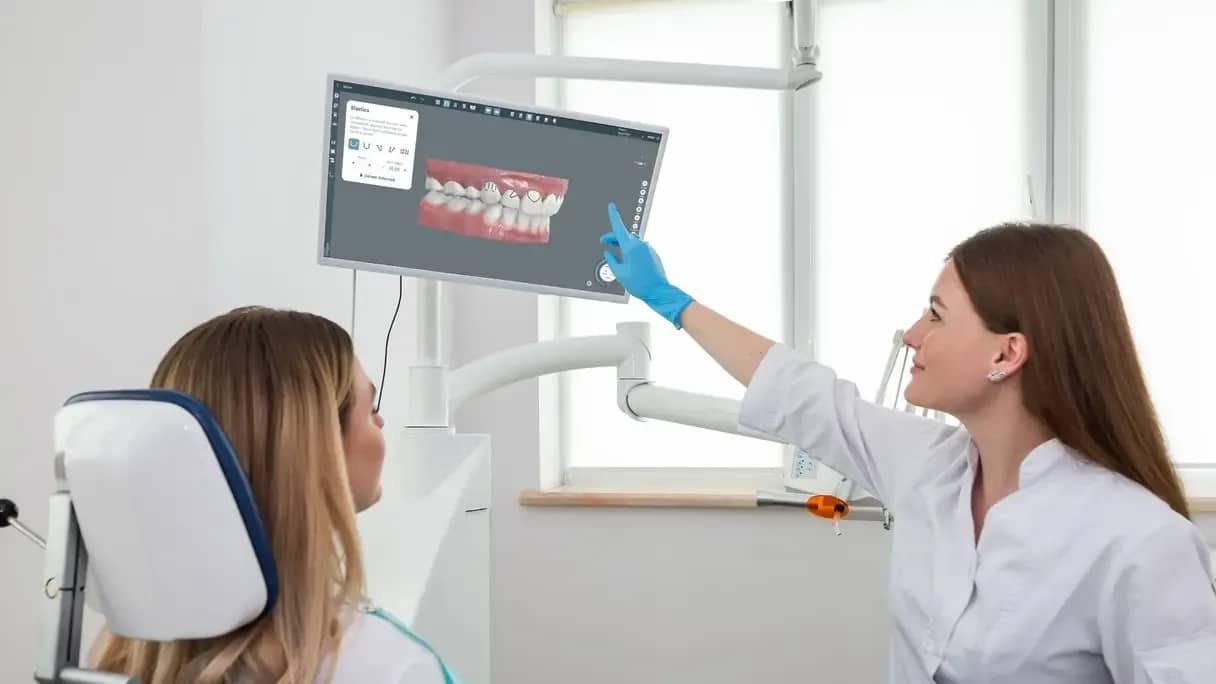
Your dentist sees a lot more than you do during a checkup. The moment that X-ray pops up on the screen, the software behind it is doing the heavy lifting: organizing images, flagging problem areas, supporting treatment planning, and even helping you understand what's going on with your teeth. Dental imaging software has become one of the most critical tools in a modern clinic's arsenal, and it's evolving fast.
If you've ever sat in a dental chair and watched your clinician zoom into a high-definition scan of your molars, you've already seen this tech in action. Good imaging software makes accurate diagnosis faster, clearer, and more patient-friendly. Bad software slows everything down, creates confusion, and can lead to missed findings. The difference matters enormously for patient outcomes.
This list covers seven dental imaging software platforms that practices across North America are actively using and recommending right now. Each one is assessed on real-world clinical value: image quality, AI capabilities, workflow fit, integrations, and what your actual experience as a patient is likely to be. Clinics that invest in tools like these tend to deliver a noticeably higher standard of care. In fact, if you're searching for a Winnipeg Dental Clinic that puts modern dentistry first, it's worth understanding what technology sits behind the front desk before you book.
Here's what the field looks like in 2026.
1. Overjet
Overjet sits at the top of a lot of shortlists right now, and that position is earned. It's an AI-driven dental imaging platform built specifically for practices and dental service organizations that need structured, audit-ready radiograph analysis at scale.
What it does well: Overjet fits multi-site imaging review needs because it pairs automated detection with clinician confirmation inside a traceable review workflow that shows evidence per finding. Its case review tracking supports multi-location throughput without losing context. For individual practices, that translates to a consistent layer of AI review that catches what fatigued human eyes might skip on a long day.
Who it's for: Overjet is the best fit for multi-site imaging teams that need structured radiograph findings with clinician confirmation and governance-ready claims support. Solo practices can use it too, but its full value shows up in larger group settings where standardization across multiple dentists matters.
Patient impact: When AI flags a finding on your X-ray and a clinician then confirms it before discussing anything with you, your treatment recommendation carries both algorithmic and human verification. That's a meaningful quality improvement from the patient side.
Worth noting: Pricing concerns, missing features, better integration options, or improved customer support are the most common reasons practices explore alternatives, so it pays to trial Overjet properly before committing.
2. SOTA Cloud
SOTA Cloud takes a different angle from purely AI-focused platforms. It's a cloud-based imaging solution designed to make the full picture, from capture to patient communication, as frictionless as possible for both staff and patients.
What it does well: SOTA Cloud integrates with the leading clinical AI platforms including Pearl, Overjet, and VideaHealth, embedded directly into your imaging workflow. The key difference: AI that lives inside the workflow increases adoption. That's a smart design choice. Tools that require staff to switch apps mid-appointment almost always get underused.
Patient communication angle: Educational videos help patients understand their diagnosis and treatment. SOTA Cloud's built-in video library walks patients through their conditions in plain language, leading to more confident decisions and higher case acceptance.
Referral and sharing: You can share CBCT datasets, 3D scans, and AI-annotated images with a link. No downloads, no waiting. AI-generated referral letters reduce the back-and-forth. For practices referring patients to specialists, this alone saves hours per week.
Analytics: From identifying retake patterns to monitoring device health, the analytics dashboard gives you the insight to improve office production and patient experience.
3. Planmeca Romexis
Planmeca Romexis is the platform that serious equipment-heavy practices tend to gravitate toward. It's purpose-built for clinics running Planmeca hardware, and when that pairing is in place, the results are hard to argue with.
Scope: It offers a rich selection of tools and features for all needs and specialties, supporting both 2D and 3D imaging as well as CAD/CAM in a single software. That kind of consolidation cuts down significantly on the number of separate systems a practice has to manage.
AI capabilities: Features include AI-based automatic tooth number detection for intraoral X-rays, automatic rotation of intraoral X-rays based on AI-detected tooth numbers, and automatic placement of intraoral X-rays in the study template based on AI-detected tooth numbers. These automated steps remove repetitive manual work from technicians and keep every patient file consistent.
Modular growth: As a modular software, Romexis allows you to start with the features you need and add more optional software modules later. You can grow from 2D to 3D imaging and expand further to CAD/CAM, full implant workflows or virtual orthognathic surgery planning.
Real-world fit: Planmeca's software appears particularly well-suited for practices of all sizes that value well-organized workflows and advanced imaging capabilities. Its compatibility with various operating systems and CAD/CAM systems, coupled with its intuitive design, makes it a versatile solution for a wide range of dental professionals.
4. Sidexis 4 by Dentsply Sirona
Sidexis 4 is Dentsply Sirona's imaging platform, and it's a mainstay in high-volume practices. If you've been to a well-established dental clinic in the last five years, there's a good chance your panoramic X-ray was processed through this software.
Core strength: Tools like Sidexis 4 combine 2D radiography management with CBCT 3D volume rendering in one review workflow. Having both in a single interface means your dentist doesn't need to jump between programs during a complex treatment planning session.
Diagnostic toolset: This platform allows dentists to capture, process, and store high-quality digital radiographs and 3D images, providing clear and precise visuals for treatment planning. Sidexis 4 offers advanced imaging tools, such as image enhancement, measurement, and annotation features.
Who benefits most: Established practices running Dentsply Sirona equipment get the most out of Sidexis 4. The native hardware integration eliminates compatibility headaches and keeps image quality at its highest. Practices weighing a switch should budget time for staff retraining, since the interface has a noticeable learning curve compared to lighter platforms.
5. DEXIS Imaging Suite
DEXIS has a loyal following among general dentistry practices, and it's earned that reputation through consistent image quality and a no-fuss setup process. It's not the flashiest platform on this list, but it gets the job done reliably.
Workflow fit: SOTA Image fits teams that need dependable DICOM imaging review and documentation because measurement and annotation workflow is optimized for chairside treatment documentation on imported DICOM studies. DEXIS Imaging Software also fits chairside measurement needs with a workstation-centric imaging workflow that couples capture, 2D viewing, and measurement.
Hardware tie-in: Buy DEXIS sensors and you're using DEXIS software. That's not necessarily a downside. The tight integration between DEXIS sensors and their imaging suite means capture speed and image consistency are among the best in the category. Just know that you're committing to their ecosystem when you purchase the hardware.
Archiving and migration: It connects to over 20 practice management systems and can migrate existing image archives from DEXIS, Apteryx, Carestream, TigerView, Sidexis, and VixWin. That kind of compatibility makes DEXIS a practical choice for practices that have changed software before and want to preserve historical records.
Trial availability: Free trial options are available for DEXIS Imaging Suite , which is worth taking advantage of before signing any contract.
6. Carestream Dental Imaging
Carestream Dental has been around long enough to carry genuine credibility. It's a well-rounded platform that covers digital radiography, intraoral camera images, and 3D imaging across a clean, unified interface.
What makes it stand out: Dental imaging software is used by dental professionals to capture, manage, and analyze various types of dental images such as X-rays, 3D scans, and intraoral photographs. This software helps in diagnosing and planning treatments for oral health issues by providing clear, detailed images that are critical for assessment and treatment planning. Features often include image enhancement tools, integration with patient records, digital radiography support, 3D visualization, and measurement tools for accurate diagnosis. Carestream checks every one of those boxes.
Patient communication: Dental imaging software can also improve patient communication by allowing them to view their images and understand their treatment plans more effectively. Carestream's interface is designed with chair-side patient viewing in mind, making it easy for dentists to walk you through what they're seeing on screen.
Open architecture: Open-architecture options like XDR, SOTA Cloud, and Apteryx are worth understanding before you sign anything , and Carestream takes a similarly flexible approach. It works with multiple sensor brands, which gives practices more purchasing flexibility when upgrading hardware.
Free trial: Carestream Dental is among the platforms offering a free trial option , so practices can test it in a real clinical environment before committing budget.
7. Pearl (AI Radiograph Analysis)
Pearl is a different kind of entry on this list. Rather than a full imaging suite, it's a dedicated AI layer that sits on top of existing imaging workflows and analyzes radiographs for pathological findings. It's quickly becoming one of the most talked-about tools in dental technology circles.
Core function: Pearl's FDA-cleared X-ray analysis capabilities use artificial intelligence to help recognize dozens of dental pathologies. That FDA clearance is important. It means Pearl's detection claims have passed regulatory scrutiny, which puts it in a different credibility category than many AI health tools on the market.
Integration model: SOTA Cloud integrates with the leading clinical AI platforms including Pearl, Overjet, and VideaHealth, embedded directly into your imaging workflow. Pearl is designed to plug into existing software rather than replace it, which makes adoption far easier for practices that already have a preferred imaging platform. You keep what works and add AI analysis on top.
Why it matters for patients: When a clinic uses AI-assisted pathology detection, the chance of catching a cavity, bone loss, or other issue at its earliest stage goes up. Early detection almost always means simpler treatment and lower cost. That's a direct benefit that patients see even if they never know the software's name.
Transparency concern: Because Pearl is an AI tool, patients sometimes wonder how much weight clinicians put on its findings versus their own judgment. The answer at most practices is that Pearl flags findings, clinicians confirm them. It's a decision-support tool, not a replacement for professional assessment.
Read more about Pearl's AI dental analysis
How to Think About Dental Imaging Software as a Patient
You don't need to quiz your dentist about their software stack before every appointment. But understanding that this technology exists, and that its quality varies significantly between practices, gives you a smarter lens for evaluating the care you're receiving.
| Platform | Best For | Standout Feature | Deployment Type |
|---|---|---|---|
| Overjet | Multi-site practices | AI-structured radiograph findings | Cloud |
| SOTA Cloud | Patient communication focus | Integrated AI + patient portal | Cloud |
| Planmeca Romexis | Planmeca hardware users | 2D, 3D, and CAD/CAM in one platform | Server or Cloud |
| Sidexis 4 | Dentsply Sirona equipment practices | 2D plus CBCT 3D in one workflow | Server-based |
| DEXIS Imaging Suite | General practice reliability | Tight sensor integration | Server or Cloud |
| Carestream Dental | Multi-sensor flexibility | Open architecture, chair-side viewing | Server or Cloud |
| Pearl | AI pathology detection add-on | FDA-cleared radiograph analysis | Cloud (overlay) |
Clinics that invest in platforms like these are signaling something about how seriously they take accurate diagnosis. Dental imaging software plays a growing role in how modern dental practices diagnose conditions, plan treatment, and communicate with patients. While the fundamentals of dentistry have not changed, the way practices capture and use clinical images has shifted significantly. High-resolution digital imaging, cloud-based access, and integrated software platforms are now standard expectations rather than optional upgrades.
The same goes for how well a practice explains what they're seeing. Imaging tools influence patient understanding, treatment acceptance, and perceptions of a practice's technology standards. A dentist who can pull up your scan, annotate it in real time, and walk you through the findings is simply more trustworthy than one who describes things verbally and moves on.
Software names will keep changing and new AI tools will keep appearing. What stays constant is the underlying goal: catching problems early, communicating clearly, and making every appointment count. The platforms on this list are doing that well in 2026, and they're worth knowing about whether you're a patient who's curious or a clinician doing your research.
The weekly question
From obsession to clarity — one original question every week.
We answer one noisy topic at a time, in full. No daily roundup, no thread bait — just the question, the principles, and the system.