Being Respectful Does Not Make Travel Boring
Respectful travel creates richer experiences by helping travelers understand local customs, build genuine connections, avoid unnecessary conflict, and engage more meaningfully with destinations.
Travel gets marketed like a highlight reel. More thrills, more photos, more stories to tell when you get home. That mindset can make respect sound like the boring part, as if good manners are the tax you pay before the real fun begins. In reality, respect is often the thing that turns a trip from a checklist into a memory with texture, surprise, and actual human connection.
A lot of travelers discover this the hard way. They rush in, assume everything works like home, and end up stuck outside the best parts of a place. Not because locals are trying to be difficult, but because culture is a language. If you ignore it, you miss half the conversation. If you learn even a little, doors open. That is true whether you are wandering on your own or choosing Peru tour packages that help you experience a destination with more context and less guesswork.
Respect is not restraint, it is access
People sometimes confuse respectful travel with timid travel. They imagine it means lowering your voice, dressing neutrally, eating blandly, and standing politely at the edge of every experience. That version of travel sounds forgettable because it is based on a misunderstanding.
Respect does not mean making yourself invisible. It means paying attention. It means noticing what matters to the people who actually live in the place you came to see. Once you do that, the trip often becomes more vivid, not less. You understand why a market gets quiet during a certain hour, why a sacred site has rules about clothing or photography, why a meal unfolds at a slower pace than you expected, or why one neighborhood welcomes wandering while another asks for more care.
That kind of awareness makes a destination feel less like a backdrop and more like a living place. Organizations focused on global tourism ethics have long emphasized that travel can build mutual understanding when visitors and host communities respect one another’s traditions and values. You can see that idea reflected in guidance from UN Tourism on tourism and cultural understanding.
The best moments usually are not the loudest ones
Many unforgettable travel moments are surprisingly quiet. A shopkeeper who starts chatting after realizing you tried to greet them properly. A guide who shares a story they do not give every group. A family run restaurant where the owner suggests the dish they are proudest of because you showed real curiosity instead of treating dinner like a transaction.
None of those moments are flashy. All of them are richer than bulldozing your way through a destination with the confidence of someone who thinks money alone buys access.
Respect earns trust. Trust changes what people are willing to share. And that sharing is often what travelers claim to want most: authenticity, connection, and stories that do not sound copied from the same ten social media posts.
It also makes you more adaptable. If you arrive somewhere and learn that a gesture, outfit, or habit from home reads differently there, adjusting is not a loss of freedom. It is part of the adventure. Even major travel publications that cover etiquette around the world often point out that travelers are not expected to know everything, but they are expected to show willingness to learn. That willingness tends to make trips smoother and more enjoyable.
Embarrassment is not the same as spontaneity
Some people defend careless behavior as spontaneity. But there is a difference between being open to surprise and being casually inconsiderate. One creates stories you will treasure. The other creates stories people tell about you after you leave.
A little preparation can prevent a lot of unnecessary friction. Learn a few greetings. Read about local customs around dress, religious sites, dining, public behavior, and photography. Find out whether bargaining is expected, rude, or somewhere in between. Check whether there are community rules in natural or historic areas. The World Health Organization’s travel and health guidance also notes that local laws and customs are part of what travelers should consider before a trip, right alongside safety, sanitation, and health planning.
That preparation does not kill spontaneity. It protects it. When you are not constantly repairing avoidable mistakes, you have more energy for wandering, tasting, asking questions, and saying yes to unexpected invitations.
Respect makes you notice more
There is another benefit people do not talk about enough. Respect sharpens observation.
When you stop assuming your own habits are universal, you begin to watch more carefully. You notice rhythms, routines, and values that would otherwise blur into the background. You start asking better questions. Why do people gather here at this hour. Why is this food served in this order. Why does this plaza feel different in the morning than at night. Why is one trail treated as recreation and another as sacred ground.
This is where travel gets interesting in a deeper way. You are no longer consuming a place. You are learning how it holds meaning for the people inside it.
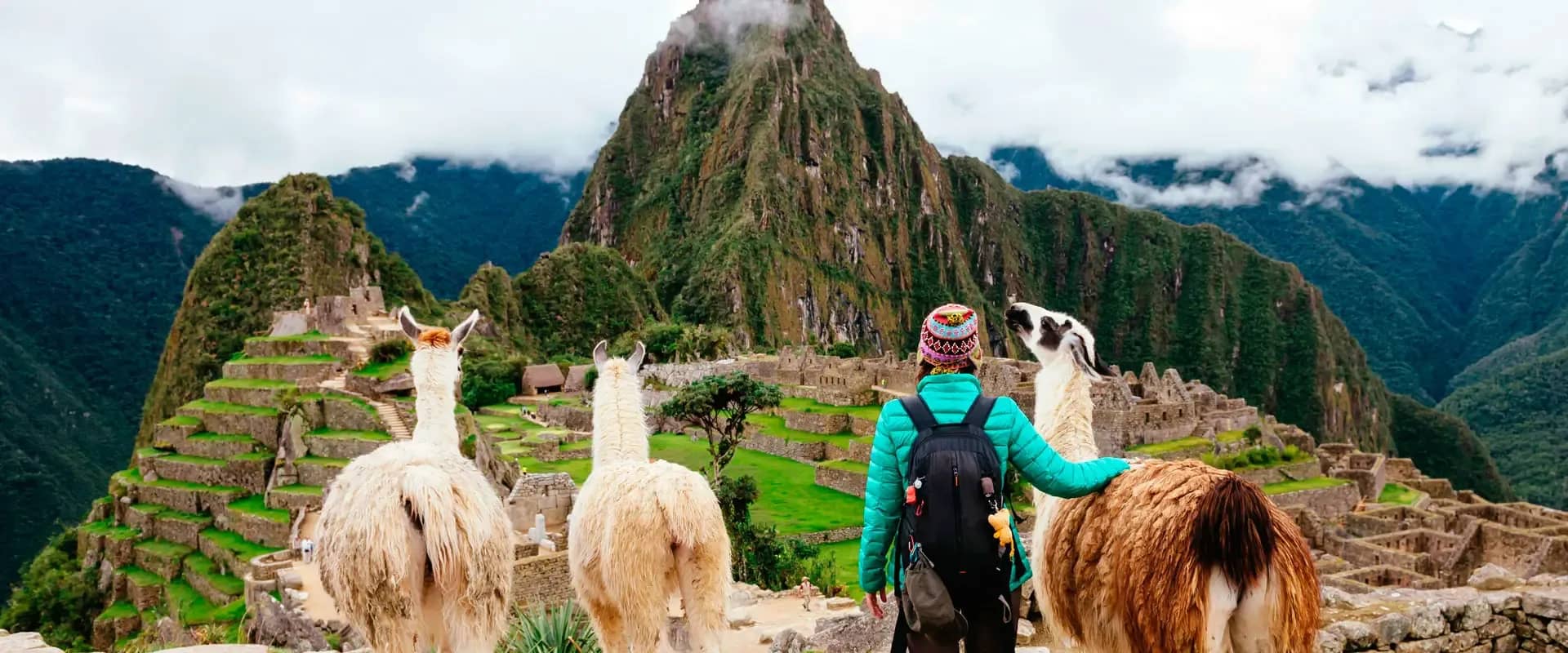
That mindset can completely change a trip to Peru, for example. A respectful traveler does not just show up for mountain views and famous ruins. They pay attention to living culture, regional traditions, local languages, community norms, and the fact that some places are both major attractions and meaningful heritage sites at the same time. The experience becomes fuller because the traveler is not treating the country like a bucket list item.
Good travelers leave room for other people to belong
One of the least glamorous but most important parts of respect is remembering that you are not the main character everywhere you go. Locals are not supporting cast in your vacation narrative. Streets are not film sets. Ceremonies are not content opportunities. Neighborhoods are not theme parks.
Oddly enough, accepting that makes travel more enjoyable. It takes pressure off. You do not have to dominate every interaction or turn every moment into proof that you are having an amazing time. You can simply participate with humility. You can let a place be what it is instead of demanding that it perform for you.
And when people feel that from you, they often respond warmly. Not always with grand gestures. Sometimes just with patience, honesty, or a small recommendation that leads you somewhere wonderful.
The trip gets bigger when your ego gets smaller
Respectful travel is not about being stiff, overly cautious, or scared to engage. It is about understanding that adventure does not come only from risk, novelty, or noise. Sometimes it comes from entering a place carefully enough to actually receive what is there.
If you want more than scenery, respect is part of the price of admission. If you want stories that feel alive years later, respect is the key that gets you past the obvious. It helps you avoid needless conflict, build better interactions, and experience a destination with more depth and less performance.
So no, being respectful does not make travel boring. It makes it less shallow. And that is a far better deal.
The weekly question
From obsession to clarity — one original question every week.
We answer one noisy topic at a time, in full. No daily roundup, no thread bait — just the question, the principles, and the system.